Ivan Tverdokhlib Movies, TV Shows, and Filmography
Ivan Tverdokhlib
Acting
Biography
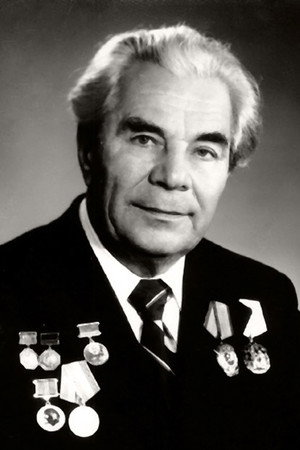
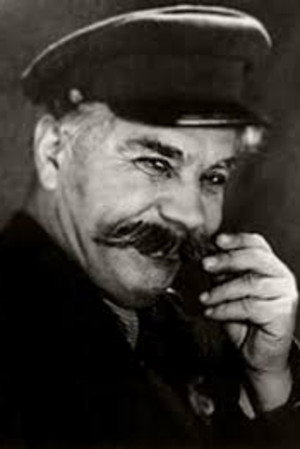
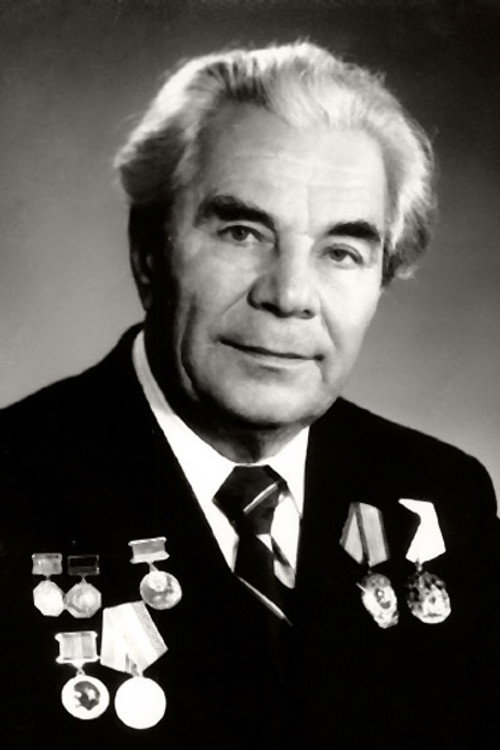
Ivan Yosypovych Tverdokhlib was a Ukrainian Soviet actor. Honored Artist of the Ukrainian SSR (1954). People's Artist of the Ukrainian SSR (1960).
Filmography Movies
Acting
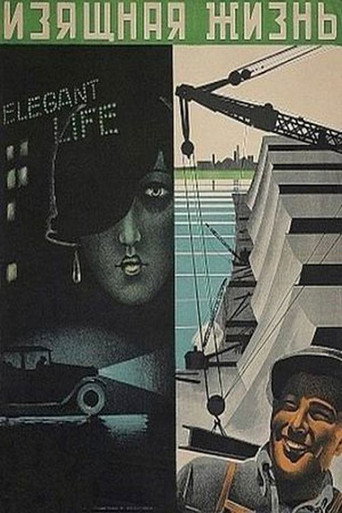
The Nice Life
Fred, a young British sailor who accidentually finds himself in the USSR and after a number of comic adventures he, attracted by Soviet youth enthusiazm, goes to take part in Dneprostroy (building of Dnepr power station).
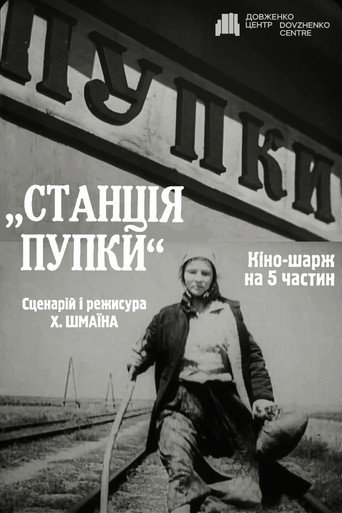
Pigs Will Be Pigs
At the "Pupky" station, an opportunity occurs: two illegal passengers - guinea pigs - have to be disembarked from one of the trains, since animals cannot be transported in a general carriage. The head of the station Pryvychkin tries to help the animals, but the situation is beyond his control. The audit committee sets out to investigate the unpleasant incident... This witty satirical comedy, in which bureaucracy, bourgeoisie and provincialism are mocked, continued the development of the domestic comedy genre in Ukrainian Soviet cinema.
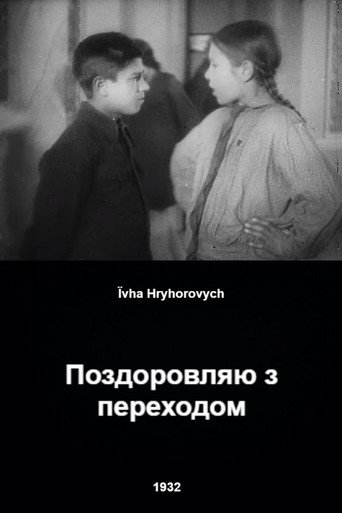
Congratulations on Your Promotion
A group of 6th grade school children master their everyday lives. Van'ka has inventive talent, but he can't cope in class. His loyal friend Aleša tries to protect him. The curious and ambitious Katja thinks Van'ka is lazy, but she also has some problems at school due to her great commitment to the pioneer group, of which all three of them are members. Will Van’ka and Katja successfully complete the school year or have to repeat the 6th grade?
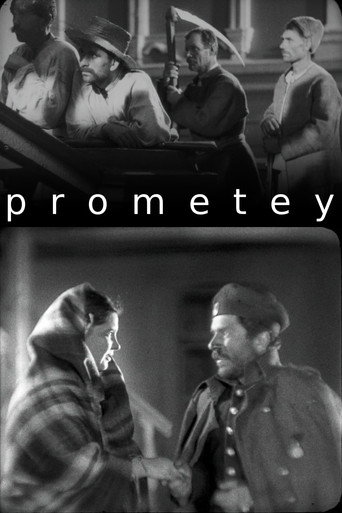
Prometey
A young man, Ivan, is forcefully mobilised and sent to fight in the Caucasian War as a soldier of the Russian Empire by his landlord, leaving his wife behind. In the Caucasus, Ivas experiences the fierce local resistance to the Russian military, and returns home to launch an uprising against the Russian government.
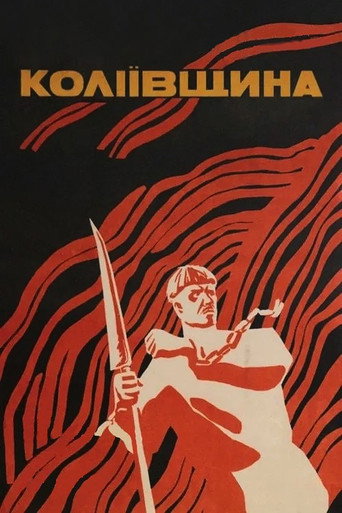
Koliivshchyna
An episode of the liberation movement in Ukraine - the uprising of Kolievs (serfs, artisans and fishermen) against the tyranny of the feudal lords and the Polish nobility, which ended with a brutal massacre performed by a Russian punitive expedition in 1768.
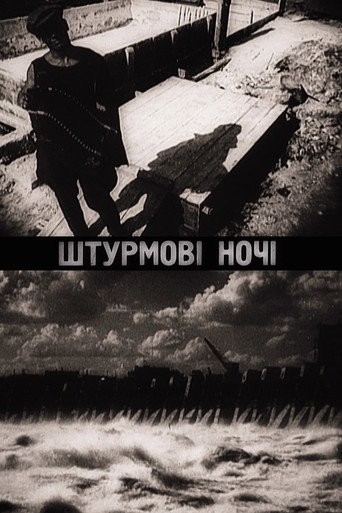
Night Raids
A peasant visits the DneproGES construction. Agitprop film about industrialisation and Dnieper Hydroelectric Station construction.
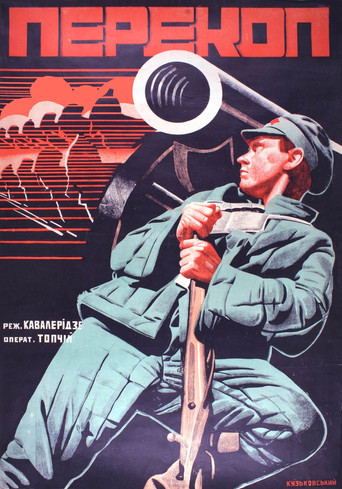
Perekop
This revolutionary epic likens the push for industrialization of Soviet Ukraine with the battle for Perekop during the Civil War. A missing plow blade is presented as a symbol of the country's backward peasant economy that needs to be transformed in the course of the industrial construction. In an onslaught of rapidly changing images, Ukrainian village with its peasants suspicious of everything new, dramatically collides with the frenzy of working factories, plants, and mines.
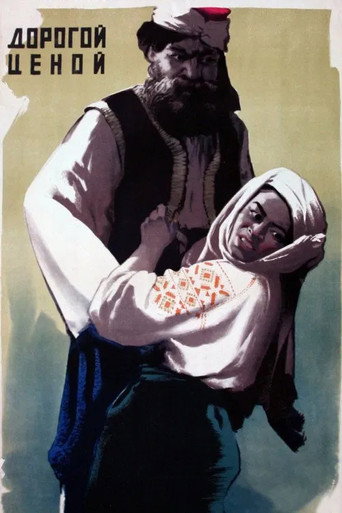
The Horse That Cried
An adaptation of a story by a Ukrainian writer Mykhailo Kotsiubynsky that anticipates the Ukrainian "poetic cinema" of the '60s in its focus on star-crossed lovers and its celebration of nature. Set in the 1830s, the film follows two lovers on the run - a girl forced into marriage and her boyfriend, a serf who's being sought by the authorities - as they try to make their way to freedom.
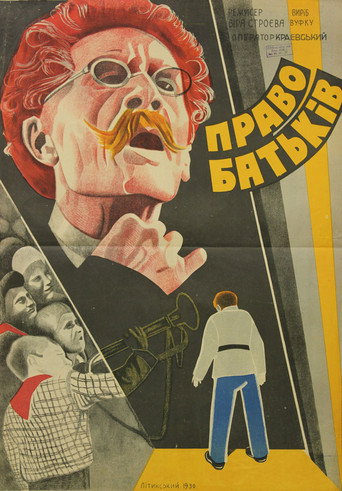
Parental Rights
The clockmaker practices what is known as \"parental rights\" – he mercilessly beats his son Boris for every misdemeanor. The boy grows up intimidated, angry, trusting no one, and befriending no one. One day, while the students at the polytechnic school where Boris studies are busy with a physical education class, he deliberately destroys a model that the students have worked so hard to build. The teacher prevents a cruel punishment of the culprit. The school community takes on the responsibility of re-educating Boris. Considered lost.
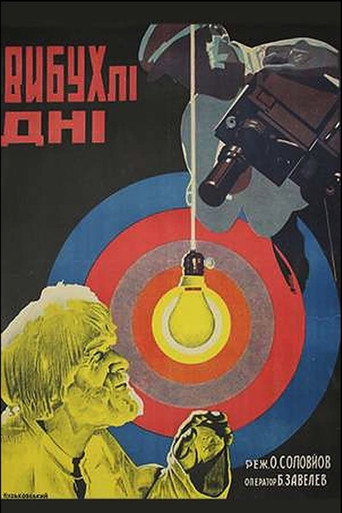
Blown Up Days
The year 1929. A “shock worker” from a tractor plant visits a film studio premises and is furious to see fake stage designs for a kitsch production about a Soviet life. He refuses to help the crew with his tractor, but is happy to ask one of the cameramen to go with him to visit an actual Soviet village. There they witness the birth of the kolkhoz and the dekulakization of wealthy villagers. Then they are transported to the future, to the year 1932, when the first five-year plan is done and the commune-sovkhoz is established. Movies can move faster than time, but the pace of change in Soviet society is even faster than that. In the movie, the entrance gate of the Odesa film factory, where all of the indoors scenes were shot, can be seen. The outdoors scenes were filmed all over Eastern Ukraine and Southern Russia (Kuban): at Kharkiv factories, in Ukrainian villages and in the 240 ha-sovkhoz “Gigant” in Rostov region, the latter representing the future after the five-year plan.
Gallery