Directing
No biography available.
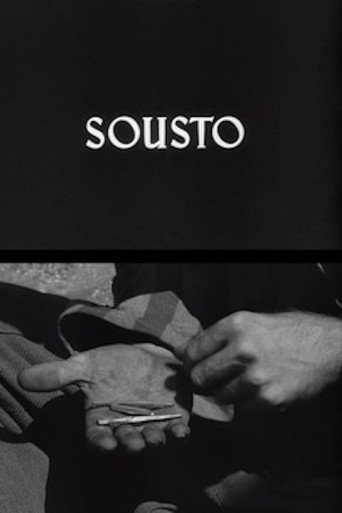
By the end of the second World War, three prisoners wish to escape from the train carrying them from one concentration camp to another. To make it happen, they need to get food first.
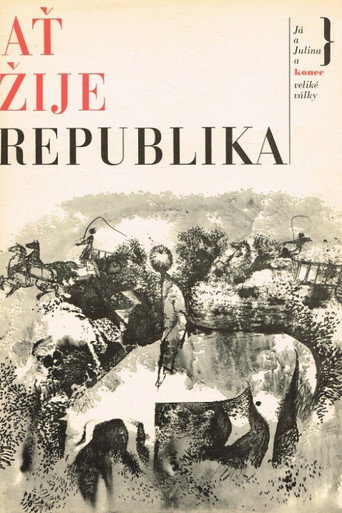
Oldrich is the runt of his village, beaten by his father, bullied by the other boys. But he has imagination on his side, and a wiry toughness they can’t defeat. The village is in turmoil, because the Nazi occupiers have just retreated and the Red Army is advancing. Oldrich dodges amid the mayhem and panic, taking his share of blows but always managing to stay one step ahead.
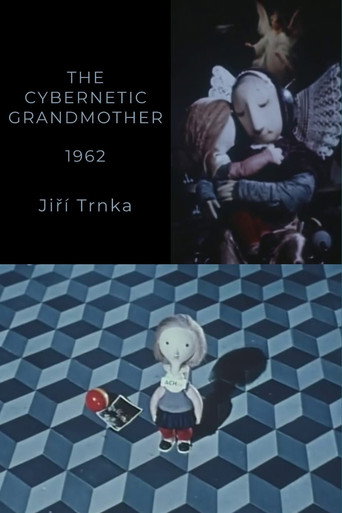
Trnka’s sci-fi vision of the future in which machines and robots try to substitute themselves into the most beautiful human relationships. A cybernetic robot is supposed to substitute for the loving grandmother of a little girl. The wise grandmother, however, comes back and the girl finds the warmth of her grandmother’s loving arms again. Trnka’s artistic ideas in this film can be described as both poetically fragile and dramatically cautionary.
A poetic documentary portrait about czechoslovakian painter.
While walking along the tracks, a young man encounters a 96-year-old man who lives inside a tunnel and refuses to leave.
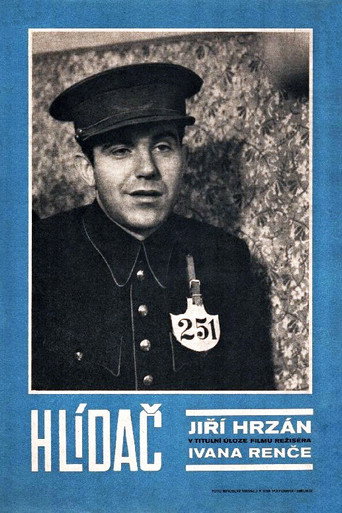
Even in 1970, films were made, prepared in previous years and expressing the poetics of that time. Ivan Renč created an almost protocol parable, deliberately set outside time and space, playing out a supremely model situation. In a somewhat rambling and not always convincing story, it tells the story of a young prison guard who dreams of living on a lonely lighthouse. He is ridiculous in his own way, with a distorted character, he hardly finds any satisfaction in his job, he cannot command the slightest respect from the prisoners - and the hero then takes out his excess pressure by abusing a defenseless dog. And one day there will be a short circuit meeting.
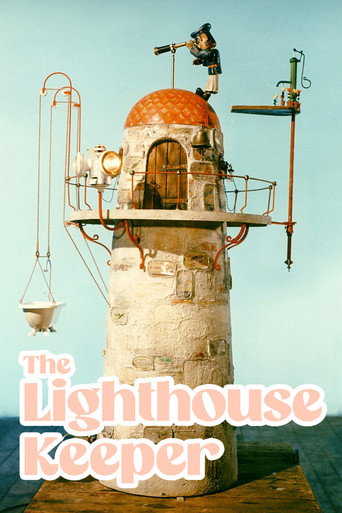
A puppet story about a lighthouse keeper who saves a paper boat while a real ship is sinking nearby.