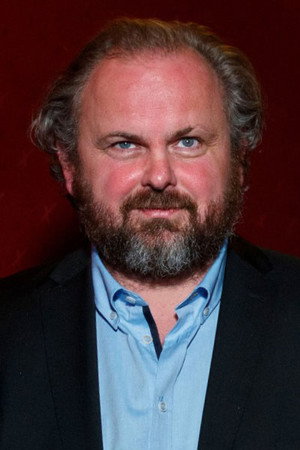
Ivan Ostrochovský Movies, TV Shows, and Filmography
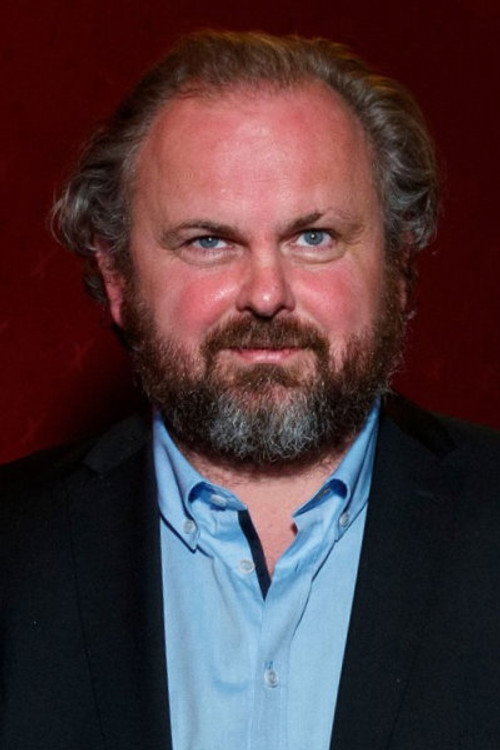
Ivan Ostrochovský
Directing
Biography
Ivan Ostrochovský (born 11 December 1972, Žilina) is a Slovakian film director, screenwriter and producer. He graduated from Bratislava’s Academy of Performing Arts.
Filmography Movies
Acting
The Last Self-portrait
Slovak director Marek Kuboš has not shot a film in 13 years. His first film ever – a student exercise at film school – was a self-portrait. The circle is closed, the source of creativity has seemingly dried up. All that is left to do in the last self-portrait is to clean up after oneself, to recapitulate one’s successes and failures, and to bid farewell to one’s protagonists. This introspective meta-documentary is not so much a study of a creative crisis as it is a self-therapeutic process and an attempt at offering a comprehensive profile of the filmmaker at a time of unstable certainties. Appearing in the role of Kuboš’s consultants are essentially all leading Slovak documentary filmmakers.
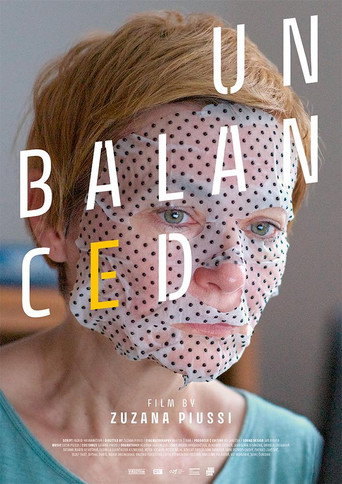
The Unbalanced
After a painful divorce, 50-year-old Nadia finally finds a good flat for reasonable price for her and her daughter. Too good to be true, and soon, albeit too late, she comes to understand the reason for the bargain. Her close neighbour in the house is mentally ill Valika who terrorises everyone around her. Piussi’s film creates a string of absurd encounters with increasingly menacing effects, but it is – at its core – a fantastically precise film about humanism, its consequences, its possible limits.

The Man with Hare Ears
Josef is a writer aged sixty, who thinks that nothing can surprise him any more. One evening, though, his phone rings and he finds himself caught up in a series of events that turn his world upside-down. His best friend – also a writer – tries to commit suicide; his young girlfriend Katka tells him she’s pregnant; and the man with hare ears – his alter ego from one of his stories – appears to him in everyday situations.
Production

Varga
Sonia Maletzová's documentary film portrait follows the legend of the Czechoslovak music scene, rock keyboardist Marian Varga (1947-2017), at the end of his life, when he was diagnosed with a terminal illness. It captures the great introvert and avid smoker during his last performances, when he slowly began to lose his breath.
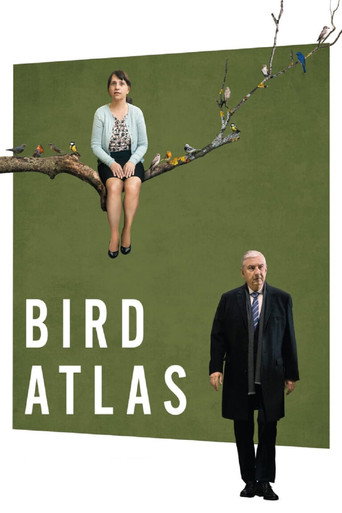
Bird Atlas
An ageing proprietor of a technology company has dedicated his whole life to his work, so it comes as a big blow when things suddenly start to fall apart at the seams.
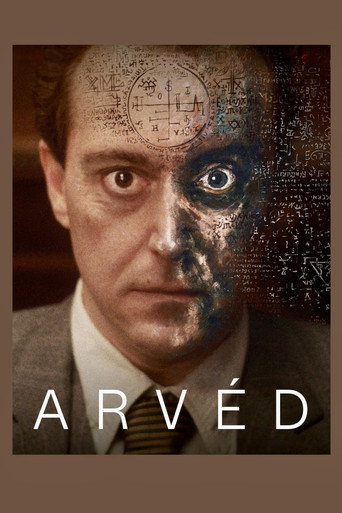
Arvéd
The real fate of Jiří Arvéd Smíchovský, a prominent hermeticist, occultist, believer in black magic and an exceptionally well-educated person with a brilliant memory. This avid book lover had doctorates in law, theology and philosophy and was fluent in five languages. He was interested in occult teachings, practiced magical ceremonies, was in contact with the Freemasons, but at the same time he was a member of the National Fascist Community while being homosexual. During the war he cooperated with the Nazis, after the war with the communist StB.

The Sound Is Innocent
As if directing a science-fiction film, Johana Ožvold dissects the story of electronic music. From the pioneer sound engineers working behind the Iron Curtain, through the French avant-garde composers, up to the post-modern creators of digital sonic artefacts, the first-time filmmaker summons an abstract landscape that is haunting and yet achingly beautiful. A voice appears from old television screens forgotten in the maze of some futuristic archive where past and future seem to coexist in a complex and multi-layered way.
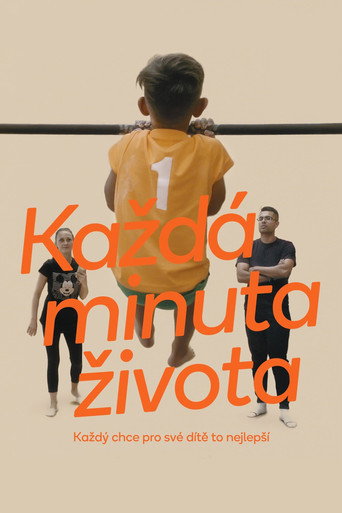
Every Single Minute
The Hanuliaks, a couple from Slovakia, have decided to bring up their son according to Kamevéda, a complex approach to developing the child’s motor abilities and intellect. Unique in its depth of focus, this reflection on child-rearing documents a year in the life of four-year-old Miško, where not a minute is wasted since there is no room for boredom and moments of rest are merely preparation for the next achievement.

107 Mothers
Lesya has committed a crime of passion which brings her a seven-year sentence in one of Odesa’s women’s correctional facilities. She has just given birth to her first child, and now she is entering a world populated only by women: inmates, nurses and wardens, women of all ages, wives and widows, daughters, sisters, pregnant women, and women with children too. If not for the color of the uniform, it would sometimes be hard to tell who is who.
107 Mothers
Lesya has committed a crime of passion which brings her a seven-year sentence in one of Odesa’s women’s correctional facilities. She has just given birth to her first child, and now she is entering a world populated only by women: inmates, nurses and wardens, women of all ages, wives and widows, daughters, sisters, pregnant women, and women with children too. If not for the color of the uniform, it would sometimes be hard to tell who is who.
107 Mothers
Lesya has committed a crime of passion which brings her a seven-year sentence in one of Odesa’s women’s correctional facilities. She has just given birth to her first child, and now she is entering a world populated only by women: inmates, nurses and wardens, women of all ages, wives and widows, daughters, sisters, pregnant women, and women with children too. If not for the color of the uniform, it would sometimes be hard to tell who is who.
Velvet Terrorists
Part documentary, part mockumentary and part stranger-than-fiction lesson in guerilla tactics, Velvet Terrorists is a quirky profile of three very different men and their former attempts to take down the communist regime of Czechoslovakia – by blowing the hell out of it. Having all spent time in prison for their crimes, one-time bombers Stanislav, Frantisek and Vladimir muse on their personal histories, the fall of the regime and their journey into middle age.
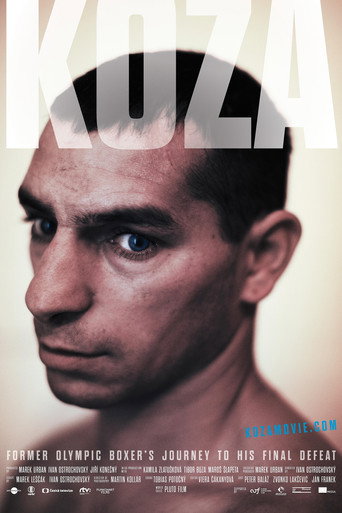
Goat
Peter "Koza" Baláz is a former Olympic boxer. He and his partner, Misa, live in a dilapidated housing estate, constantly struggling to make ends meet. Misa learns that she is expecting a child and decides to terminate her pregnancy. In order to earn some much-needed cash and possibly change Misa's mind. He and his manager Zvonko embark on a "tour", where success is not measured in victories, but in the amount of blows that Koza can take.
Gallery