Ivan Novoseltsev Movies, TV Shows, and Filmography
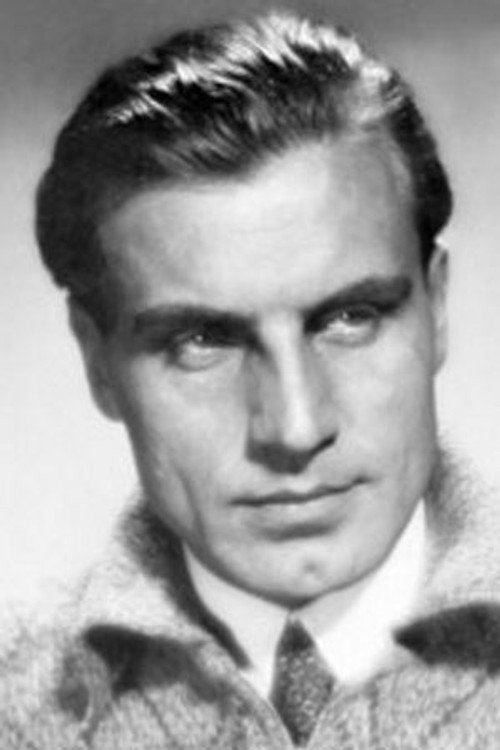
Ivan Novoseltsev
Acting
Biography
No biography available.
Filmography Movies
Acting
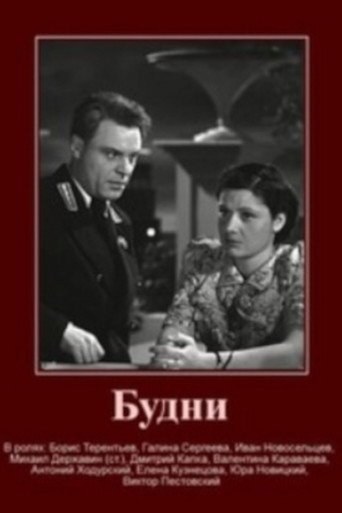
Weekdays
One day the usual order of one of the country's major airports is disrupted: pilot Zubov lands his plane during the fog accurately and beautifully, but contrary to regulations. Another daredevilry of Zubov ends with the fact that he sinks the plane in a swamp, almost killing himself and the adopted son of the airport engineer - Gvozdik. Zubov is deprived of his pilot's license for six months, but is retained in the team.
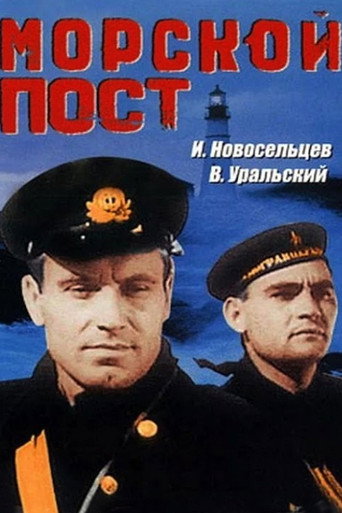
Sea Post
Everyday life of a maritime border guard post in the mid-1930s. On a small Pacific island, a garrison of NKVD border guards is on duty. A small detachment of soldiers bravely defends their homeland from attacks by Japanese saboteurs and drives away uninvited guests. One day, a Japanese destroyer lands troops on one of the Soviet islands. The invaders are aided by traitors they have recruited. But the border guards give the aggressors a worthy rebuff.
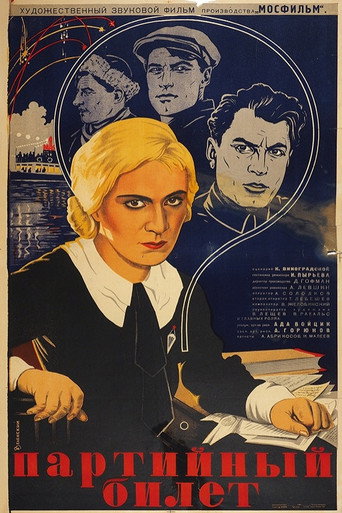
Anna
Yasha, who likes Anna, accomodates siberian Pavel Kuganov, which later becomes a class-conscious worker in a factory. Anna refuses Yasha's offer of marriage and he therefore runs off to Siberia. After Pavel is hailed as a hero because he survives a fire accident in factory (which is in fact effect of his sabotage), Anna marries him. Pavel then becomes a reckless communist careerist, but only on surface. In fact, he is a traitor of the country and a spy, and gives Anna's party ID card to anti-communist movement. In spite of that, Anna is expelled from the communist party. Yasha returns from Siberia, only to find her love Anna desperate. They reveal the truth about Pavel (that he is a kulak who killed a kolchoz co-op leader), which means an end for Pavel.
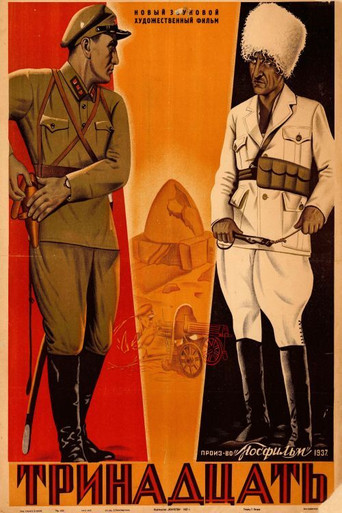
The Thirteen
The film tells about a band of demobilized Red Army men and two civilians who cross a Middle Asian desert. They are forced to do battle with superior forces of Basmachi rebels for the dry draw-well.
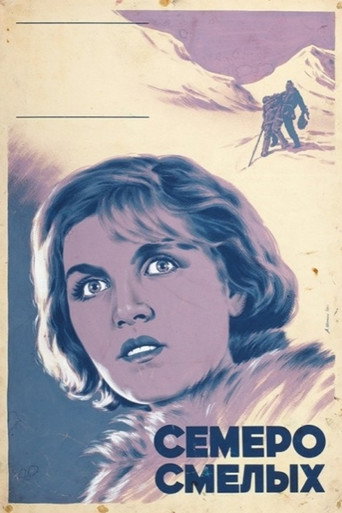
The Brave Seven
Six polar explorers arrive to a remote island in Arctic for a year-long scientific expedition. When their ship departs, they unpack only to find a young stowaway, who romanticized Arctic heroes, and tried to join them on multiple occasions finally succeeding. That's how six became seven. Life of polar explorers is tough, and full of danger. During one year they are largely isolated from the mainland, and should survive using their resourcefulness, smarts, knowledge, and existing supplies with occasional unreliable radio communications. The Seven are resilient, cheerful, they forged a true friendship. Now they are ready to face the unforgiving Arctic.
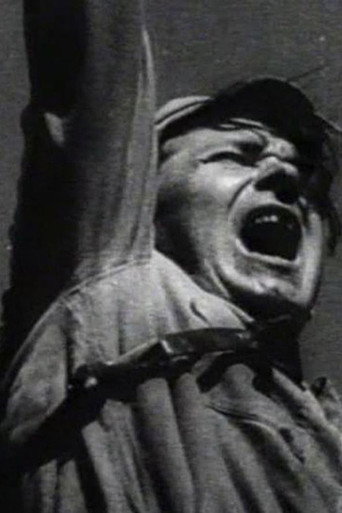
A Simple Case
As a response to criticism for the allegedly excessive “mass appeal” of his earlier epic STORM OVER ASIA (1928), Vsevolod Pudovkin unleashed his flair for experimentation in what was supposed to be the director’s first sound feature. Everything went wrong: technical problems forced him to complete the film as a silent; viewers were baffled by the lack of a recognizable plot; then, the ideological climate of the Soviet Union changed. He was now being blamed for catering to bourgeois taste! Time has come to set the record straight. Here’s lyrical cinema at its best, deliberately operatic and yet intimate as it matches the characters’ inner life with the solemn rhythms of nature, and depicted through breathtaking black-and-white photography. A sensation at last year’s Pordenone fest, Pudovkin’s long-forgotten swan song to the art of montage is resurrected by Gabriel Thibaudeau’s emotionally charged live music performance. –PCU (USSR, 1930, 75m)
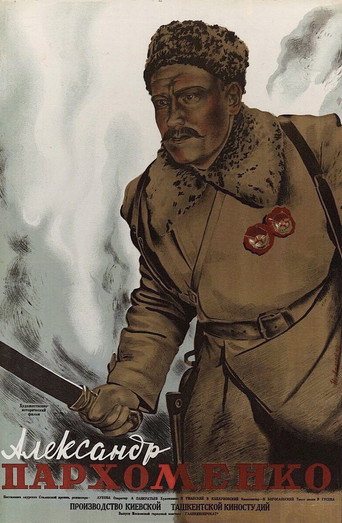
Aleksandr Parkhomenko
About the life and heroic death of the old Bolshevik-Lugansk resident, participant in the civil war, Aleksandr Yakovlevich Parkhomenko. In 1918, capturing Ukraine, the German occupiers sought to use the Haidamaks, the White Guards and the Greens in their struggle. By order of Voroshilov, Aleksandr Parkhomenko from Lugansk arrives in Tsaritsyn. At the same time, the Germans launched an active offensive. The "red" battalions are poorly armed, however, Parkhomenko manages to raise them to the attack and put the enemy to flight.
Mother
June 22, 1941. In a Ukrainian village, a mother sees off her two eldest sons as they head to the front. The front lines are drawing ever closer. Nazi planes appear in the sky, and the first reports of casualties reach the village. The mother sees off her youngest son...
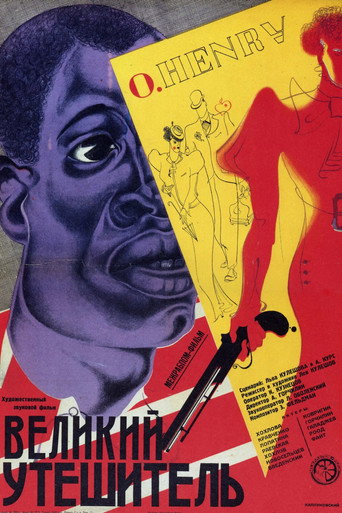
The Great Consoler
The Great Consoler is Lev Kuleshov’s most personal film reflecting both the facts of his life and his thoughts about the place of the artist in contemporary reality. It was the only film in the Soviet cinema of those years that raised the question of what role a creative person played in society.
Gallery