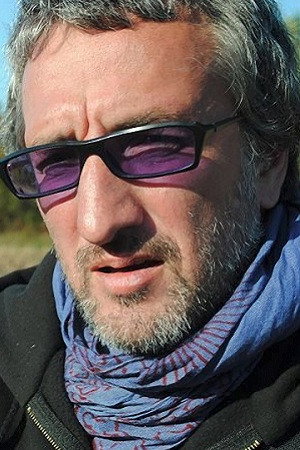
Ivan Lebedev Movies, TV Shows, and Filmography
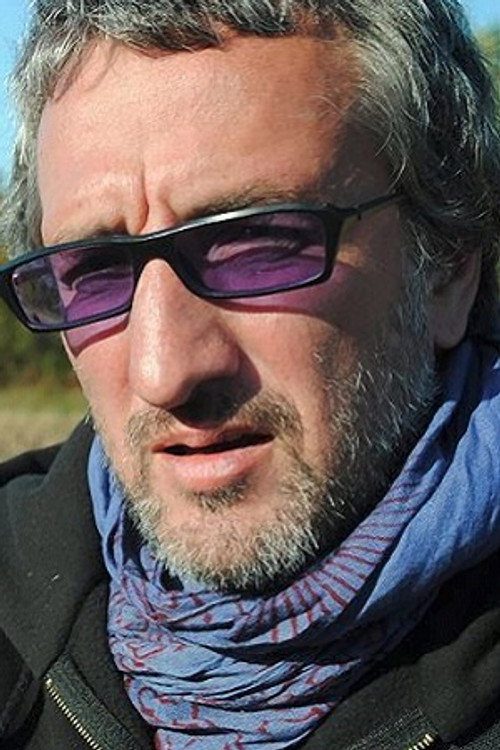
Ivan Lebedev
Editing
Biography
No biography available.
Filmography Movies
Acting
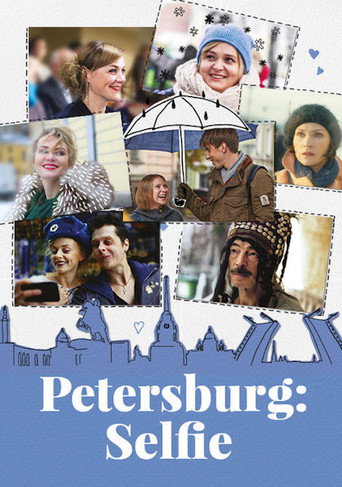
Petersburg: Selfie
Petersburg. A Selfie comprises seven novellas about the beautiful city of St. Petersburg, Russia, shot by female directors. The film tells a story of a real, living and breathing city, rather than a mythical phantasm. Each novella tells its own story about love and loneliness, luck and hope.

Shultes
Lesha Shultes, a pickpocket, leads the ordinary life of an average urban creature. The only extraordinary thing about Shultes is that he carries a little notebook with him and notes down everything. This minimalist drama of a 'small man' in a metropolis delivers an existential message with a distinct Russian flavour.
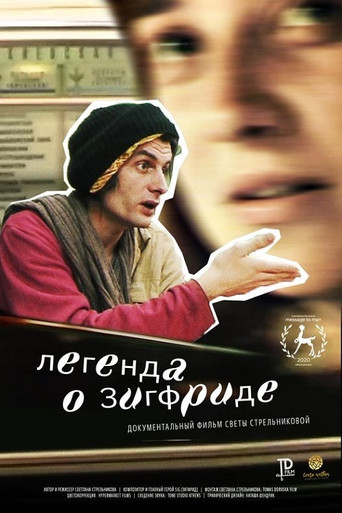
The Legend of Siegfried
The film is about the long-term relationship between the director and the character of her first film, the French indie artist, musician and director Siegfried, known as Sig. The story is dedicated to the experience of growing up, emancipation and finding their own identity in life and in art. The film raises questions about the nature of the student-teacher relationship, which inevitably involves submission and conflict, and the nature of the director and hero relationship, which is based on love and a little manipulation.
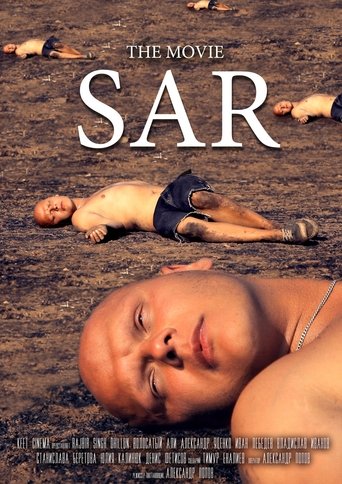
Sar
Waking up in a bungalow by the ocean, our hero does not remember where he came from or how he got here. Day by day, he is becoming more and more hopeless. People who meet on the way do not understand a word of what he says and cannot give answers to his questions. A psychologist, neighbors, a new friend cannot help him, because the answer lies not outside, but inside.
Morning
Where does true love begin? At a glance? With mutual sympathy? A random gesture at a trolleybus stop? Or, perhaps, with ordinary stupidity? Polina and Sasha met on an ordinary autumn morning. It was a good morning to meet: she had a bag of lollipops in her hands, and he had a pen and a notebook to write that she was very beautiful. And so it has been since then: he wrote, and she read. Until suddenly it turned out that you can talk without a piece of paper.
Production
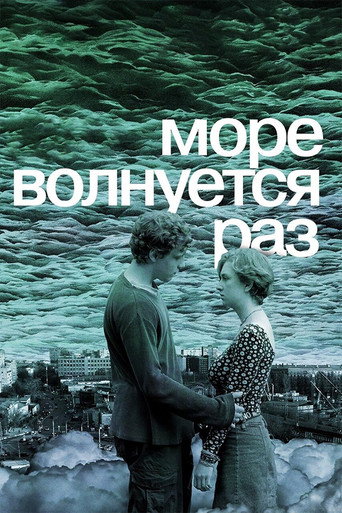
Freeze Dance
Kolya and Sasha hide away in an old lodge in the middle of the forest. They are in love, and the world around seems strange and wonderful. But the idyll of the sunny summer days is continually disturbed by nightmares. Sasha dreams that she is submerged by a huge wave. Once they meet a mysterious married couple living in the neighbourhood. The Man and the Woman are very much like the young lovers. With their help, they try to understand their feelings.
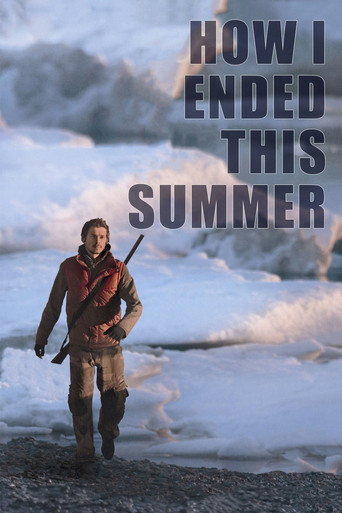
How I Ended This Summer
A polar station on a desolate island in the Arctic Ocean. Sergei, a seasoned meteorologist, and Pavel, a recent college graduate, are spending months in complete isolation on the once strategic research base. Pavel receives an important radio message and is still trying to find the right moment to tell Sergei, when fear, lies and suspicions start poisoning the atmosphere...
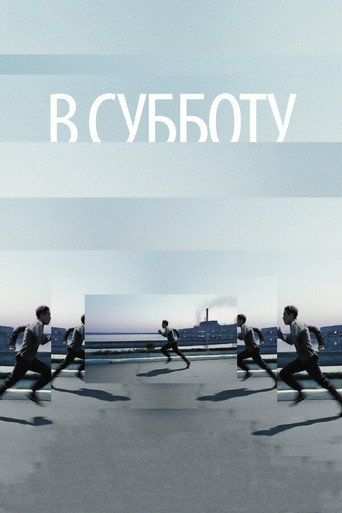
Innocent Saturday
A group of friends and bandmates look to escape from the Chornobyl disaster.

Nuuccha
In late nineteenth-century Yakutia, Habji and his wife Keremes have just buried their second child, and are preparing for a harsh winter of famine. Instead of giving them the help he promised, the local prince foists a Russian convict, Kostya, on the family, who the law decrees must live in the same house as them. They initially struggle to find a common language, and the convict soon decides that he will be the master of the house from now on.

Манга
This is a fractured tale of Kiwi (Iaroslav Zhalnin), a teen thief with a penchant for driving his motorcycle into traffic, playing video games and turning invisible; Alisa (Vasilisa Petina), a young model whose face is splashed all over city billboards and ads, with whom Kiwi grows fixated; and Alik (Khazizov), a metrosexual writer who roller-skates in his cavernous hard-wood-floored apartment and plucks a drunken Alisa after her fateful encounter with Kiwi. Alik, responding to Alisa’s pleas, eventually confronts the pestering Kiwi; a misunderstanding (did he rape her? did he not?) erupts into violence.
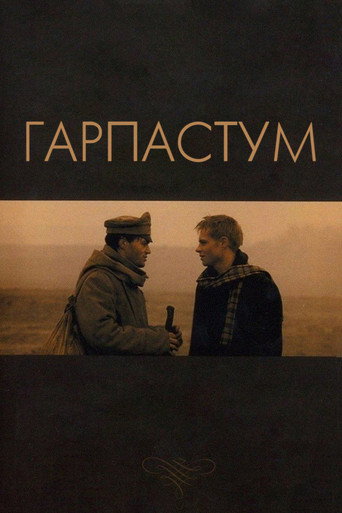
Garpastum
Garpastum is a Latin word meaning ball game. Set in 1914 in St. Petersburg, the brothers Andrey and Nikolai are passionate about the matches they play on the streets. They hatch a scheme to buy a playing field. But World War I has already begun and soon their lives and dreams will be shattered.
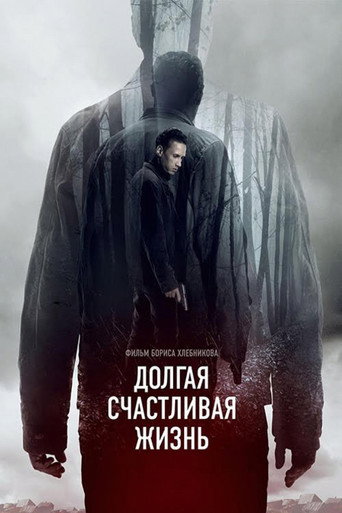
A Long and Happy Life
Sascha lives in a village on the Kola Peninsular in northern Russia and dedicatedly manages what is left of an old collective farm. He gets on well with his farm workers who respect him and also tolerate his more or less clandestine love-affair with Anya, a secretary at the local government office. But then Sascha is suddenly faced with a dilemma: the district’s self-seeking administrators, none of whom could be termed squeamish, offer him a lucrative deal for the farm. In legal terms, Sascha doesn’t have much of a leg to stand on since his lease on the farm was only agreed with a handshake. The pressure mounts, and even more so when his employees convince him to stand firm. Against the backdrop of a landscape exposed to the elements, this unflinching man’s destiny takes its course.
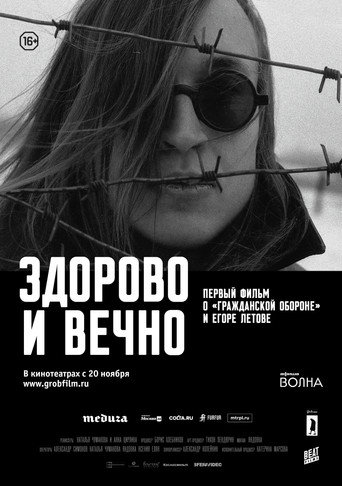
I Don't Believe in Anarchy
The film details the early years of the legendary Siberian Punk/Rock group 'Гражданская Оборона' (Grazhdanskaya Oborona), and its frontman, Egor Letov.

Soaring
Having lost his wife in a plane crash, a man tries to find out the real reason for the disaster. Forced to sift through all the lies amassing around him, he temporarily foggets about his grief. He finds a flight crew who survived a crash and celebrates his rebirth with them. Suddenly moments of grief turn into a never-before-experienced flash of freedom for him. This illusion becomes a lulling trap in which he can relive the happiest moments of his life. What we can see on the screen is an ordinary life where simple things become rare and unusual, and where grief turns to joy. Daily routine to which he finally comes back after all shade in a contrast way the brightness of the recent events.
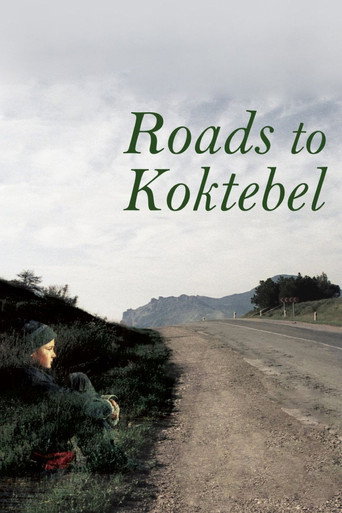
Roads to Koktebel
A widowed aeronautics engineer, who has lost his job, travels with his son hopping freight trains from Moscow to Koktebel, a town by the Black Sea, to start a new life with the father's sister.
Gallery