Ivan Agafonov Movies, TV Shows, and Filmography
Ivan Agafonov
Acting
Biography
No biography available.
Filmography Movies
Acting
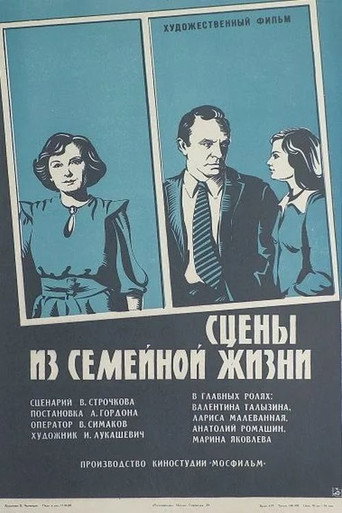
Scenes from Family Life
Katya's life is darkened by a tragic secret: her mother died when her daughter was very young. Suddenly, the girl learns the shocking truth: her mother is alive. The meeting between mother and daughter becomes an emotional challenge for both. On the one hand, intense feelings of joy and love. On the other hand, there is burden and resentment that has accumulated over many years of separation.

Makarov
"Makarov" both a popular Russian name, and also slang for the word "gun," serves as a metaphor for the brutal reality of life in a post-totalitarian society. The story's protagonist, Makarov, embodies this struggle as he becomes more mechanical and less spiritual upon acquiring a gun.
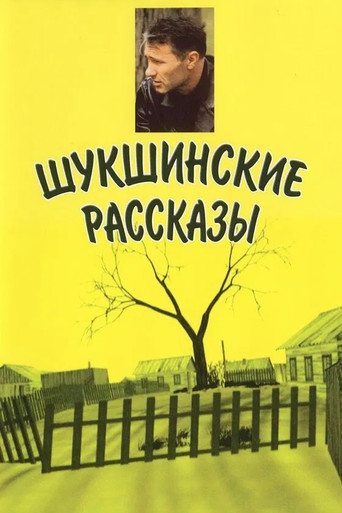
Shukshin's Stories
Each of the short stories is based on either one or several stories by a wonderful Russian writer. The heroes are ordinary people “of the people”, contemporaries of Shukshin, all of whose life’s ups and downs are inextricably linked with their country - the Soviet Union of the 60s-70s. The main thing that unites both the works themselves and the films made is a whole gallery of the brightest images and characters, a story about such different destinies and differently meaningful lives, a story in the center of which is invariably Man, with his love, quests, weaknesses and victories.
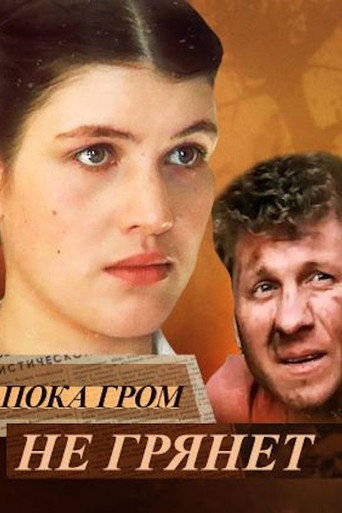
Until the Thunder Strikes
Few months before collapse of USSR. Villages and collective farms are facing with problem: young and working age people leaving countryside for better life in cities. Same problem in collapsing collective farm near Moscow - the only mechanic and harvester driver decides to leave his native village because he feels deeply offended for being severely punished for breakdown harvester. But his countrymen disagree with his decision and try to prevent his escape.
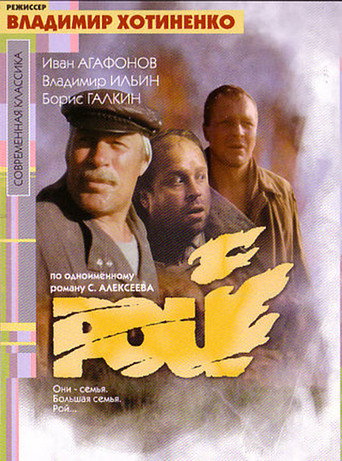
Swarm
The story of the Siberian Zavarzin family, which has long lived by bee trade. After an incomprehensible virus entered the hives one day, accusations between two neighboring farms reached the intensity of a real war. After all, if there are no bees, then there is no life, and you have to go to the city. The village began to empty before our eyes. The disintegration also occurs within the Zavarzin family: the eldest son gets drunk, the middle one is going to emigrate, the younger one goes crazy, the uncle rages with fat, not knowing where to put his money. And nothing can unite the once strong family anymore.
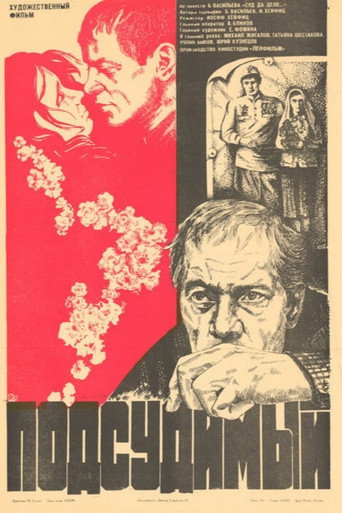
The Defendant
Anton Skulov, a war invalid, shot a drunk young man with a hunting rifle who climbed into his garden and ruined rare flowers that his wife, a war veteran, had grown before her death. The investigation was short-lived, the accused immediately admitted his guilt and was ready to stand trial, having already convicted himself of the murder.
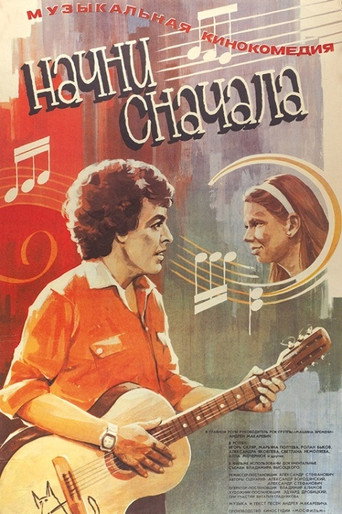
Start All Over Again
Bard Nikolai Kovalyov is recognized and loved by young people, but music officials remain deaf to the poet's creativity. A new phase in his life begins with an unexpected meeting.
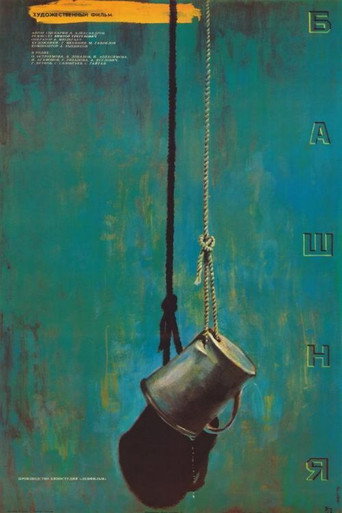
Tower
Near the suburban highway stands a water tower, and behind its fence live a mechanic, his wife, and their adopted son, who is disabled. One day, a family from the capital becomes guests in their modest home—their car broke down on the road. This sudden clash between "city and country" will be a serious test for the young hero of the film. And not only for him.
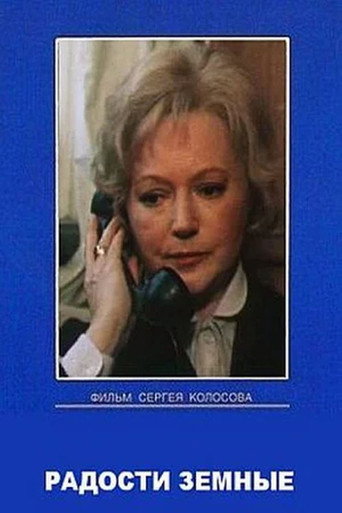
Earthly Joys
The young soldier Vasily Lemekhov has returned from the hospital and met a young woman Natasha in Chisinau.
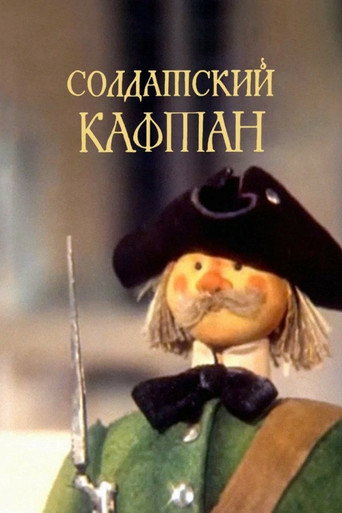
The Soldier's Caftan
One day two foreign military men arrived to serve the Russian Tsar Peter. They were dressed in luxurious kaftans. Peter appreciated the beauty of their uniforms, but noted that it would not be easy for them to endure different weather conditions in them. This angered the guests. Thus began a dispute between the admiral, the general and a simple Russian soldier. The one who can withstand both cold and heat in his attire is destined to win.
Gallery