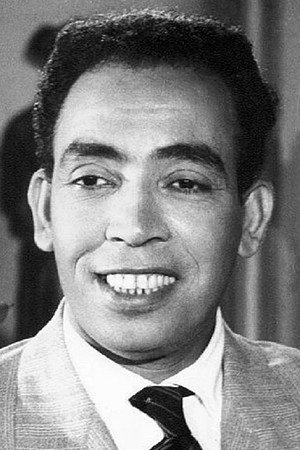
Ismail Yasseen Movies, TV Shows, and Filmography
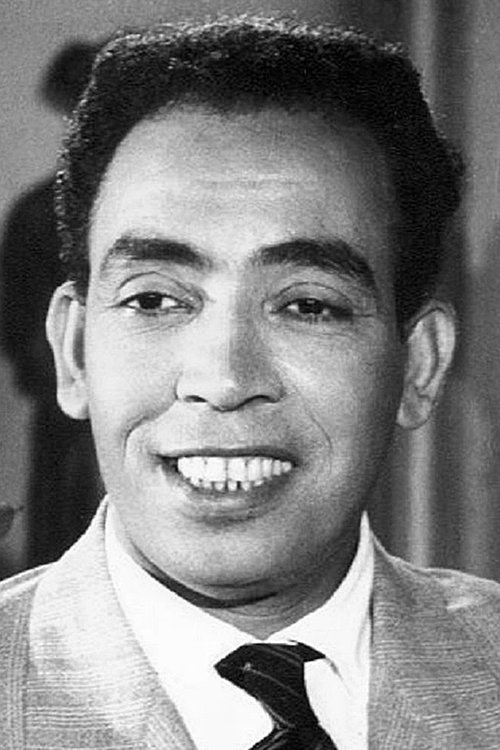
Ismail Yasseen
Acting
Biography
Ismail Yasin Ali Nakhla was born in Suez (15 September, 1912) where he led a miserable unstable childhood, and had to leave primary school when his mother died and his father went to prison. His first job was a chanting salesman assistant in front of a shop. In so doing, he trained his voice and decided to become a singer, as he was very fond of the legendary musician Mohamed Abdel Wahab. He sang in weddings and cafés and then moved to Cairo to join the Badee’a Massabny acting troupe. Hence, filmmakers recognized him. It was Fouad al-Gazayerly who gave him his first role in “Khalaf el Habayeb" (Lover’s offspring) in (1939). Ismail joined Aly al-Kassaar troupe and became a brilliant monologist. When he rose to fame, he was one of the few actors who had a series of films bearing his name: "Ismail Yasin fel-Police" (Ismail Yasin..Policeman), "Ismail Yasin fel-geish" (Ismail Yasin..In the army), “Ismail Yasin fel-tayaraan" (Ismail Yasin.. In the Airforce), ...etc. In the 1950’s, he formed a troupe with Abul –So’oud al-Ebiaary. Among his famous plays are; “Habeeby Koukou" (My darling Koukou), "Al-mofattesh al-aam" (The Inspector General)”, among others. When film industry underwent a downfall in the the late sixties of last century, he left to Lebanon where had to play small roles, something that he did also upon his return to Egypt before dying of a heart attack. Ismail Yasin is considered a very special and unique case among Arab comedians. He was famous for mocking himself and his looks in his films. Although considered a farcical clown by a number of critics and audience, the admiration of his performance throughout generations of Egyptians and Arabs maintains his phenomenal status to this day. He died in May 1972. His son Yassin was a film and television director (1949 – 2008).
Filmography Movies
Acting
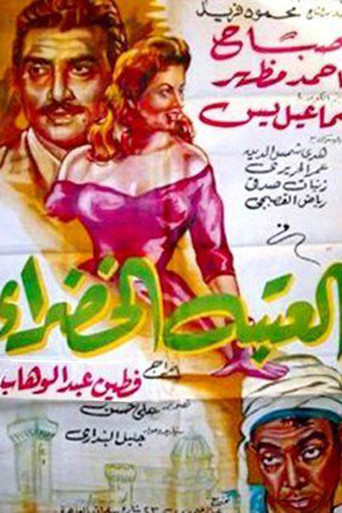
The Green Doorstep
A naive man Mahrous from Upper Egypt arrives in Cairo meets a fraudster. The fraudster feels that Mahrous has reassured him that he can sell him the famous green threshold square
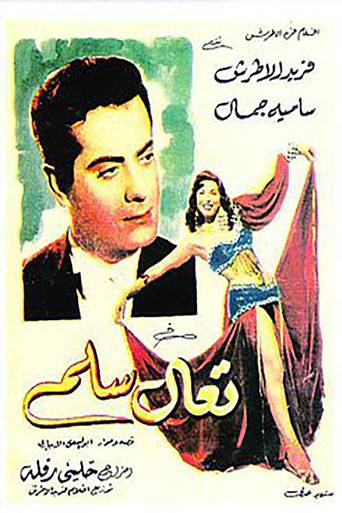
Come and Greet
An Egyptian romantic comedy film produced in 1951, the story and dialogue of Abu al-Saud al-Abiari and directed by Helmi Rafla and starring Farid al-Atrash, Samia Jamal, Ismail Yassin, Abdel Salam al-Nabulsi, Abdul Fattah al-Qasri and Farid Shawqi.
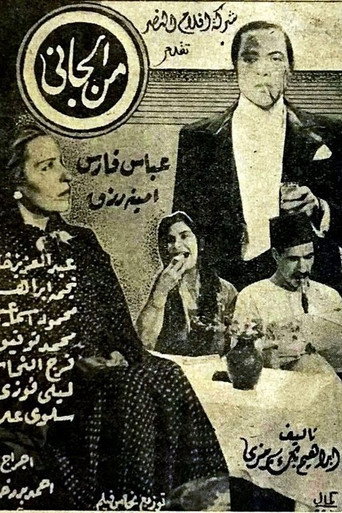
Who's Done it ?
Before his death, Mansour Pasha writes over his wealth to his two sons Omar and Othman; as the latter drowns, his wife gets a boy and claims he is Othman's son to ensure her share in the inheritance. When the boy grows older, he befriends Rashad, Omar's son, and gates of hell and vengeance open.
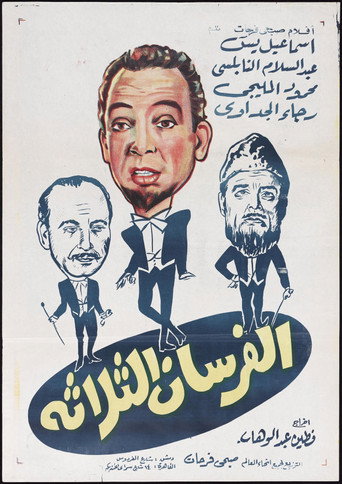
Alforsan Althalatha
The film revolves around the pious and devout lawyer (Saleh), who writes about his beliefs and principles in a magazine called (Lights of Virtue), but the magazine is not popular. At the same time, he insists on marrying his daughter to Sheikh (Fadel), even though she loves her cousin (Nabil). After a while, one of Saleh's relatives, who used to work as a dancer, dies, and he inherits the nightclub she owned, which changes many of the principles he used to believe in before.
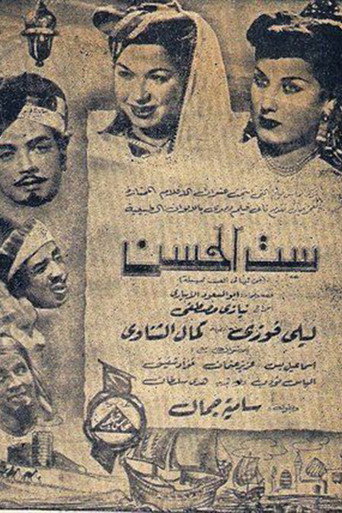
Set Elhosn
In two imaginary states consumed by wars, the kings decide to resort to affinity to avoid wars. On the way, the king's son escapes from his guards, but he meets his awaited bride, Set Elhosn , without knowing who she is. He falls in love with her while trying to escape the marriage.
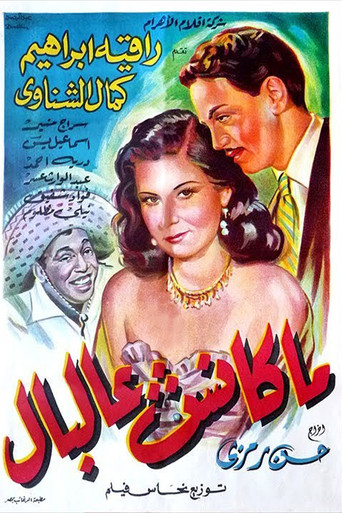
Makansh Aal Baal
Kamal the painter is related to Yvonne, a classmate in France, but in Egypt he meets Samira, who works as an itinerant artist with her uncle and cousin. Kamal is able to find her a job in one of the theaters, and the grandfather learns of what Kamal has done, so he decides to marry him to Sitaita, but things change when his father returns. Samir after everyone thought he was dead.
What a madness
Overnight, the situation changes with Ikram. After she was living a happy life with her husband, Hassouna Bey, she finds herself in the circle of suspicion by discovering her husband's betrayal of her. Her aunt, Sharbat, suggests several ways to help her preserve her marriage. He pushed Hassouna to assume the role of a rich woman, hoping to solve his wife's problem.
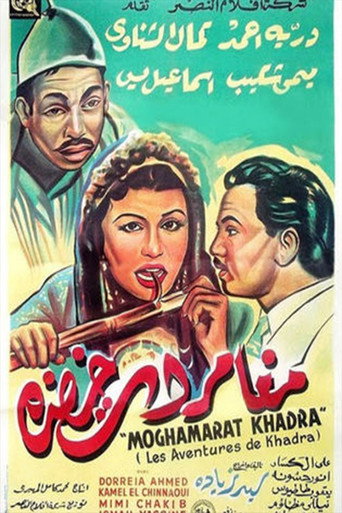
Mughamarat Khadra
Khadra's father, Hajj Abdullah, dies, leaving her and her brother Fares a huge fortune that he stored in Balalis. Khadra is surprised when their cousin, who has been absent for a long time, returns to them in an attempt to plunder the money, taking advantage of Khadra's rural naivety to obtain wealth. She resorts to one of the young men whom she throws into Khadra's path to deceive her.
Casino el latafa
Aziza and Sharifa are two friends. They are married to the two friends, Aziz and Refaat. Aziza suspects her husband's behavior, and her friend supports this suspicion. They concoct a plan. Sharifa sends an unsigned love letter to Aziz Pasha and sets him up on a date in the casino.
Production
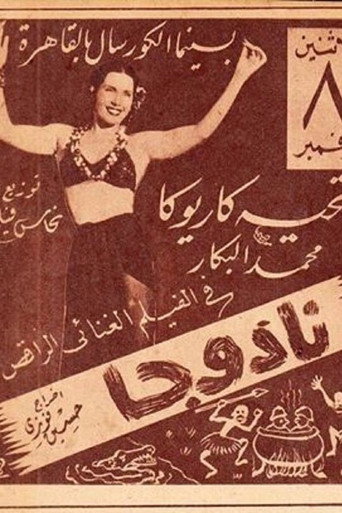
Naduja
Khurshid Pasha lost his daughter Nadia in Sudan fifteen years ago. He fled to Egypt with his secretary Murad. He advised him to search for her while he was on his deathbed. Murad intends to search for Nadia so that the wealth does not go to relatives. Murad and his followers travel to the jungle and finally find her, but the rest of the family are looking for her in order to kidnap her.
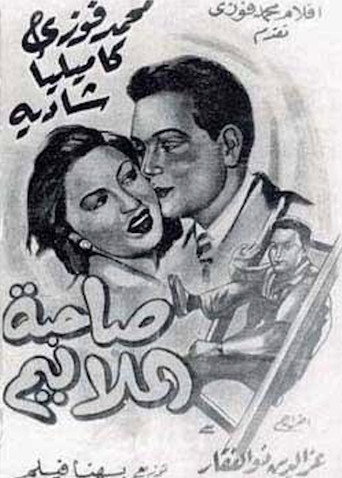
Owner of Few Piasters
The three sisters ,Siham, Nabila, Sannia inherit from their late uncle an amount of only five hundred pounds, which drives them to travel to Alexandria to search for wealthy men to marry them. They stay at a fancy hotel where they meet three rich men, where comic paradoxes and misunderstanding happen between the six of them.
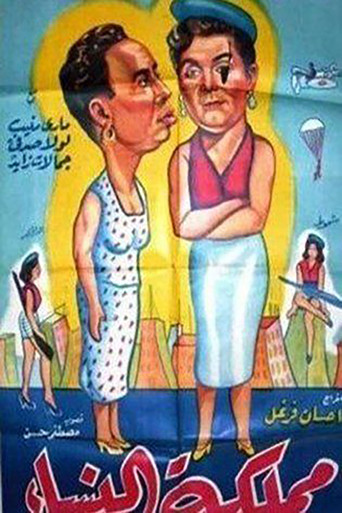
مملكة النساء
Kawther is married to a women's rights advocate who conducts interviews, seminars and articles to talk about women's rights while neglecting her husband and her children completely. Her actions often make her quarrels with her husband. She reads a fictional account of the kingdom of women where women live alone without men and trust in everything and in all roles and roles. , Farid and his friend Yasin are forced to land their plane in an emergency landing in this city.
Gallery