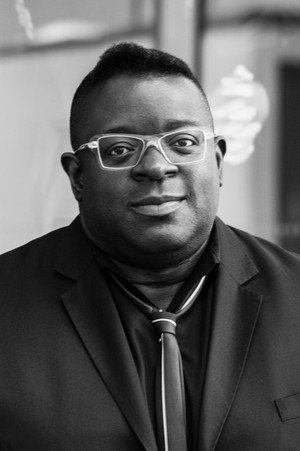
Isaac Julien Movies, TV Shows, and Filmography
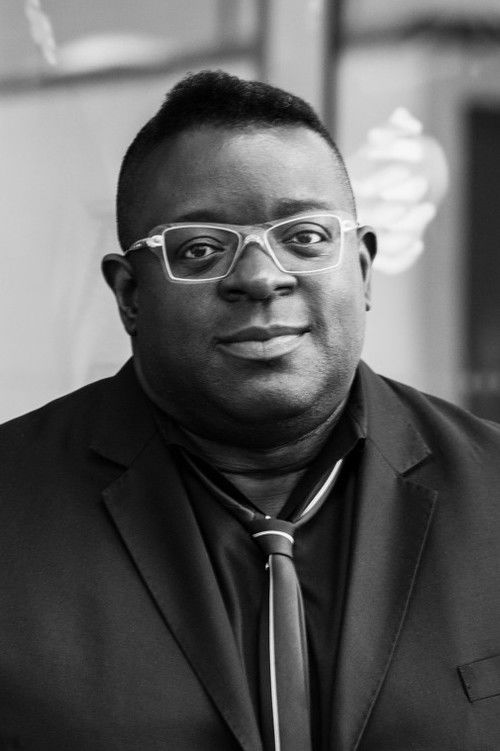
Isaac Julien
Directing
Biography
Filmmaker and installation artist, Isaac Julien was born in 1960 in London, where he currently lives and works. His multi-screen film installations and photographs incorporate different artistic disciplines to create a poetic and unique visual language. His 1989 documentary-drama exploring author Langston Hughes and the Harlem Renaissance titled Looking for Langston garnered Julien a cult following while his 1991 debut feature Young Soul Rebels won the Semaine de la Critique prize at the Cannes Film Festival.
Filmography Movies
Acting
Black and White in Colour
A two part documentary that details the contribution of black and Asian people to television history from the birth of television in 1936 to 1992. Interviewees include: Pearl Connor, Thomas Baptiste, Lenny Henry, Norman Beaton, Horace Ové, Carmen Munroe, and Stuart Hall.
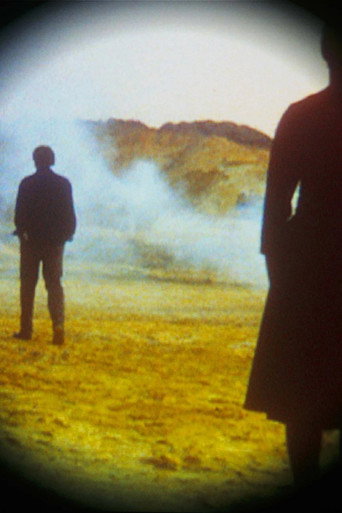
Lost Boundaries
Lost Boundaries is comprised of footage shot by Julien on location, in England in the summer of 1985, during the making of the Sankofa film and video collective's first experimental feature film The Passion of Remembrance (1986), which he co-directed with Maureen Blackwood, another member of the collective. In recapturing those moment Lost Boundaries both deconstructs and foregrounds the means of 16mm film production while weaving together a fragile community of Black artists and actors who came to prominence at a time when debates in film theory - such as those of the Screen film journal and of "third cinema" discourses where cinema was intertwined within (Brechtian) filmmaking practices - were at the forefront of forging a new politics of artistic representation. A Black avant-garde.
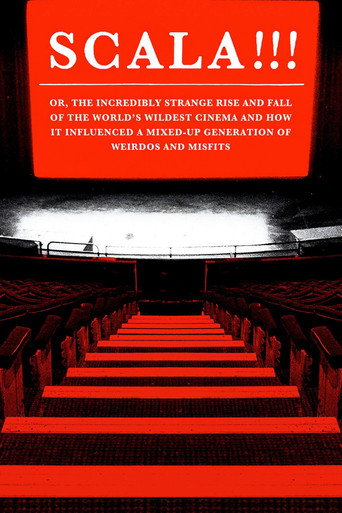
Scala!!!
This feature-length big screen documentary tells the riotous inside story of the infamous sex, drugs and rock 'n' roll repertory cinema which inspired a generation during Britain's turbulent Thatcher years.
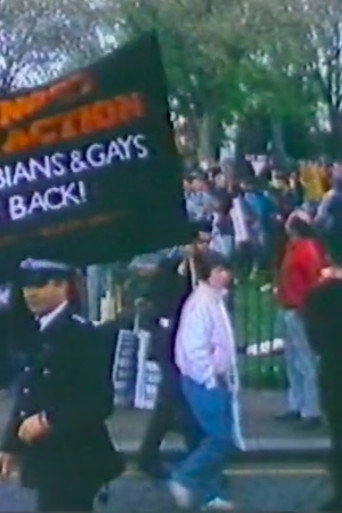
Reframing AIDS
Through a series of interviews with leading British AIDS activists and cultural theorists, this documentary investigates the way in which AIDS has been used by the media and by the government to increase state harassment of gay men and lesbians, black people and women. Framing the problem in terms of a left politic, the tape reveals how both homophobia and puritanism have been responsible for the slow government response to AIDS.
Queer as Art
Documentary celebrating the LGBTQ contribution to the arts in Britain in the 50 years since decriminalisation. It features interviews with leading figures from right across the arts in Britain, including Stephen Fry, David Hockney, Sir Antony Sher, Alan Cumming, Sandi Toksvig, Jeanette Winterson, Will Young and Alan Hollinghurst, and it explores the distinctive perspectives and voices that LGBT artists have brought to British cultural life.
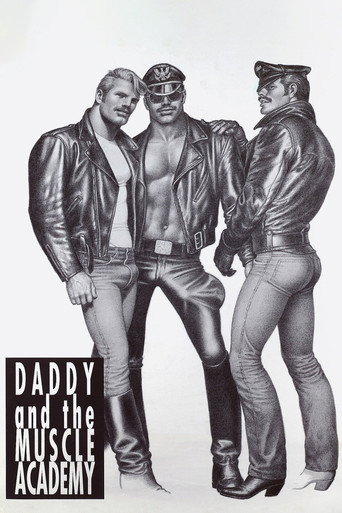
Daddy and the Muscle Academy
Tom of Finland is one of the gay world's few authentic icons. His drawings have had an enormous influence on gay identity. Tom's ultimate leather men are known and seen everywhere. They are symbols of gay pride and friendship. The documentary includes some titillating 'enactments' inspired by Tom's art work.
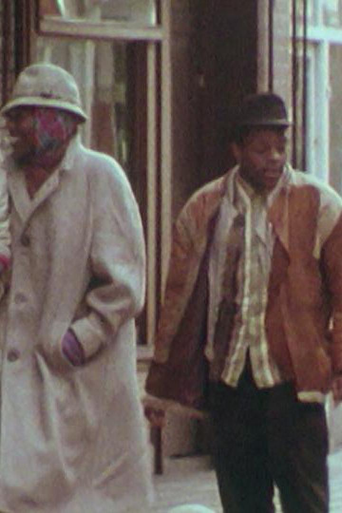
Gay Black Group
The formation of the Gay Black Group was a landmark in gay black history. Meeting at Gay's the Word, a bookshop in Bloomsbury, London, it provided a sounding board and support for gay and black communities of the 1980s.
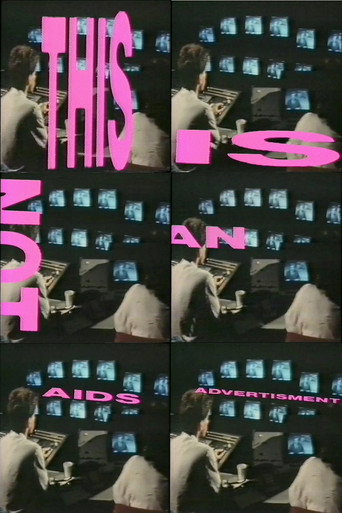
This Is Not an AIDS Advertisement
This highly stylized short asserts sexual desire over fear in gay romantic relationships.
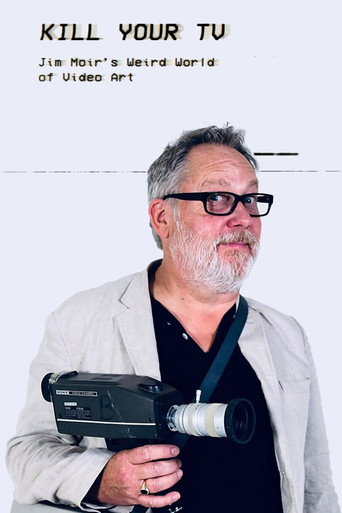
Kill Your TV: Jim Moir’s Weird World of Video Art
Jim Moir (aka Vic Reeves) explores Video Art, revealing how different generations ‘hacked’ the tools of television to pioneer new ways of creating art that can be beautiful, bewildering and wildly experimental.
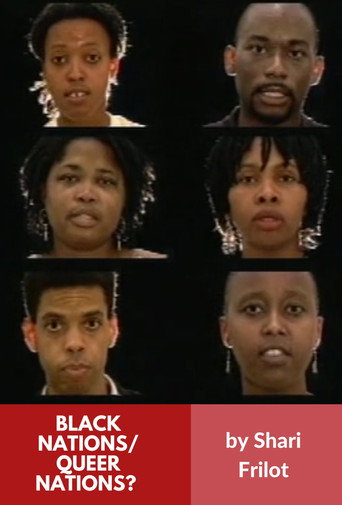
Black Nations/Queer Nations?
This is an experimental documentary chronicling the March 1995 groundbreaking conference on lesbian and gay sexualities in the African diaspora. The conference brought together an array of dynamic scholars, activists and cultural workers including Essex Hemphill, Kobena Mercer, Barbara Smith, Urvashi Vaid and Jacqui Alexander to interrogate the economic, political and social situations of diasporic lesbians, gay men, bisexual and transgendered peoples. The video brings together the highlights of the conference and draws connections between popular culture and contemporary black gay media production. The participants discuss various topics: Black and queer identity, the shortcomings of Black nationalism, and homophobia in Black communities. Drawing upon works such as Isaac Julien's "The Attendant" and Jocelyn Taylor's "Bodily Functions", this documentary illuminates the importance of this historic conference for Black lesbians and gays.
Production
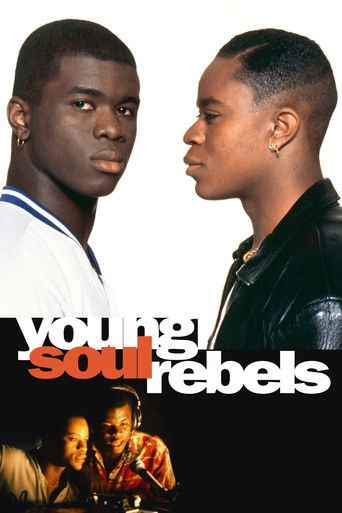
Young Soul Rebels
Two disc jockeys have a friend's murder to solve in the fringe-group melting pot of 1977 London.
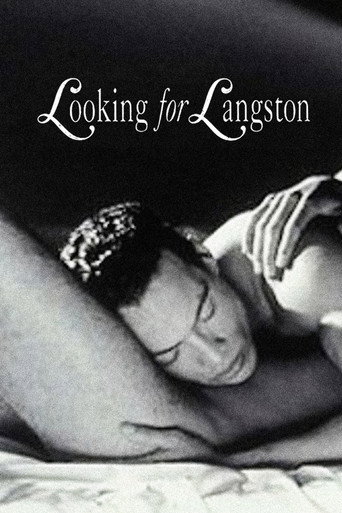
Looking for Langston
A black and white, fantasy-like recreation of high-society gay men during the Harlem Renaissance, with archival footage and photographs intercut with a story. A wake is going on, with mourners gathered around a coffin. Downstairs is an elegant bar where tuxedoed men dance and talk. One of them has a dream in which he comes upon Beauty, who seems to reject him, although when he awakes, Beauty is sleeping beside him. His story and his visits to the jazz and dance club are framed by voices reading from the poetry and essays of Hughes and others. The text is rarely explicit, but the freedom of gay Black men in the 1920s in Harlem is suggested and celebrated visually.
Looking for Langston
A black and white, fantasy-like recreation of high-society gay men during the Harlem Renaissance, with archival footage and photographs intercut with a story. A wake is going on, with mourners gathered around a coffin. Downstairs is an elegant bar where tuxedoed men dance and talk. One of them has a dream in which he comes upon Beauty, who seems to reject him, although when he awakes, Beauty is sleeping beside him. His story and his visits to the jazz and dance club are framed by voices reading from the poetry and essays of Hughes and others. The text is rarely explicit, but the freedom of gay Black men in the 1920s in Harlem is suggested and celebrated visually.
Encore No.1 Paradise Omeros
Isaac Julien's contribution to Documenta Platform6 in memory of Okwui Enwezor.
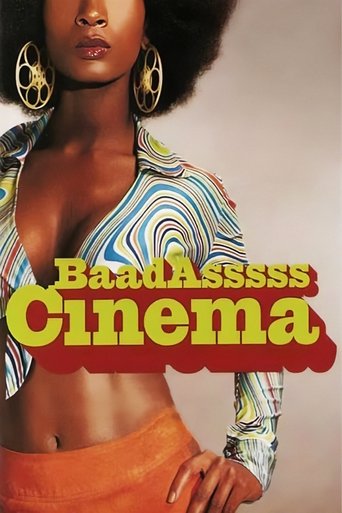
BaadAsssss Cinema
With archive film clips and interviews, this brief look at a frequently overlooked historical period of filmmaking acts as an introduction rather than a complete record. It features interviews with some of the genre's biggest stars, like Fred Williamson, Pam Grier, and Richard Roundtree. Director Melvin Van Peebles discusses the historical importance of his landmark film Sweet Sweetback's Baadasssss Song. For a contemporary perspective, the excitable Quentin Tarantino offers his spirited commentary and author/critic bell hooks provides some scholarly social analysis.
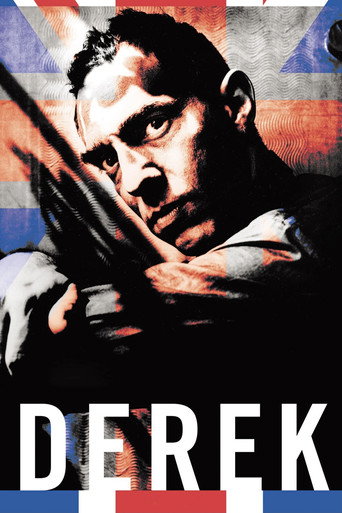
Derek
Derek, in chronological order, records the work and life that stands at the foot of Derek Jarman's humour and spirit of being an artist. The filmmaker and actress, Isaac Julien and Tilda Swinton respectively, have produced and narrated a film on his life whereby the use of language is perpetuated to give some type of palpable meaning to British audiences alone, and to their own personal relationship with him.
Lost Boundaries
Lost Boundaries is comprised of footage shot by Julien on location, in England in the summer of 1985, during the making of the Sankofa film and video collective's first experimental feature film The Passion of Remembrance (1986), which he co-directed with Maureen Blackwood, another member of the collective. In recapturing those moment Lost Boundaries both deconstructs and foregrounds the means of 16mm film production while weaving together a fragile community of Black artists and actors who came to prominence at a time when debates in film theory - such as those of the Screen film journal and of "third cinema" discourses where cinema was intertwined within (Brechtian) filmmaking practices - were at the forefront of forging a new politics of artistic representation. A Black avant-garde.
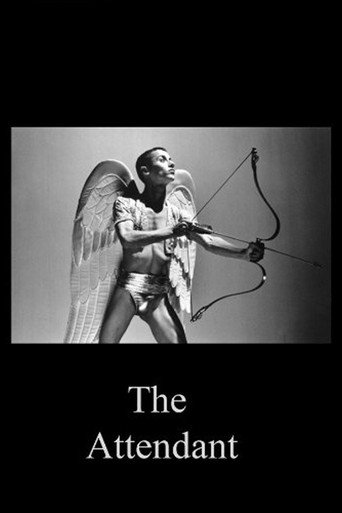
The Attendant
Memory mixes with desire as a museum attendant is caught up in sado-masochistic fantasies inspired by a 19th century painting of slaves in chains called Scene on the coast of Africa. The man remembers his past as a singer and delivers Dido's lament from Purcell's opera.
Fantôme Creole
Fantôme Créole is a four-screen film installation that juxtaposes Arctic and African landscapes as it combines two films: True North, filmed in the Artic landscapes of Iceland, and Fantôme Afrique, filmed in Burkina Faso. Fantôme Créole juxtaposes Arctic and African landscapes as it combines two films: True North (2004), loosely based on the story of black explorer Matthew Henson (1866-1955), who accompanied Robert Peary in a pioneering expedition to the North Pole; and Fantôme Afrique (2005), shot in Burkina Faso.
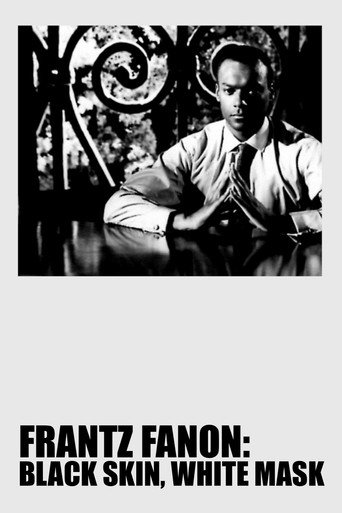
Frantz Fanon: Black Skin, White Mask
Explores the life and work of the psychoanalytic theorist and activist Frantz Fanon who was born in Martinique, educated in Paris and worked in Algeria. Examines Fanon's theories of identity and race, and traces his involvement in the anti-colonial struggle in Algeria and throughout the world.
Gallery