Writing
No biography available.
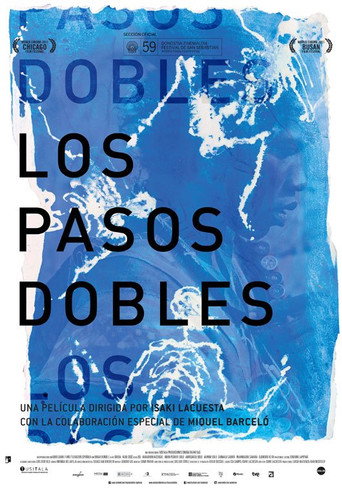
Various objects are observed using a high-resolution electron microscope: some paint pigments from a supposed 19th-century painting, a dollar bill, and a piece of old film celluloid in the process of decomposition. Microscopic observation will reveal the mysteries hidden on the surface of these materials: the infinite number of paintings that can be found in a tiny fragment of paint, the other possible invisible motion pictures that are hidden in each little piece of film.
The exhibition 'The Complete Letters' features epistolary works defined by cinematographic creation. This is an experimental communication format used between pairs of film directors. Although each director is situated in a location geographically distant from that of their partner, they are united by their willingness to share ideas and reflections on all that motivates their work. Within this space of freedom, the directors featured in the exhibition examine their affinities and differences, within an environment of mutual respect and simultaneity of interests and with notable formal variants established in each of the correspondences.
In the year 2000, Maixabel Lasa’s husband, Juan Maria Jauregi, was killed by ETA. Eleven years later, she receives an incredible request: one of the men who killed Juan wants to meet with her in the Nanclares de la Oca prison in Araba (Spain), where he is serving his sentence after breaking ties with the terrorist group. Despite her reservations and her immense pain, Maixabel Lasa agrees to meet face to face with those who ended the life of the person who had been her companion since she was 16 years old. ‘Everyone deserves a second chance’, she said, when asked why she was willing to confront the man who killed her husband.
Fiction inspired by the novelistic biography of the painter and writer Francois Augiéras. The artist covered with paints a military bunker in the desert, and let it sink into the sand so no one could find it until the XXI century. The search continues to feed the myth bunker ... Who is Augiéras? ¿Legionnaire, painter, writer, gunman, holy, thief, devil or a mixture of all?
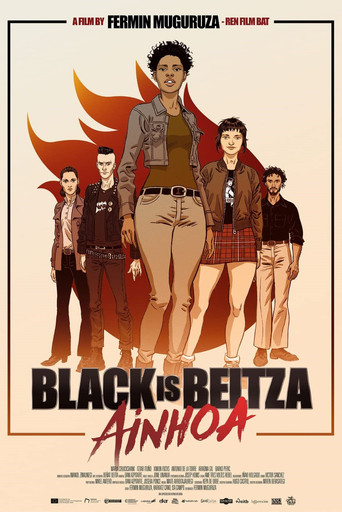
Ainhoa is born by chance in La Paz (Bolivia); but she grows up in Cuba and, at the age of 21, in 1988, she travels to the Basque Country (Spain) to discover the land of Manex, her father. In the midst of political struggle, she meets Josune, a committed journalist, and her group of friends.
Exploring the issue of stolen children in Spain, the plot tracks Vera’s search for her biological son, given in adoption, thereby coming across Cora and her adoptive son Egoz.
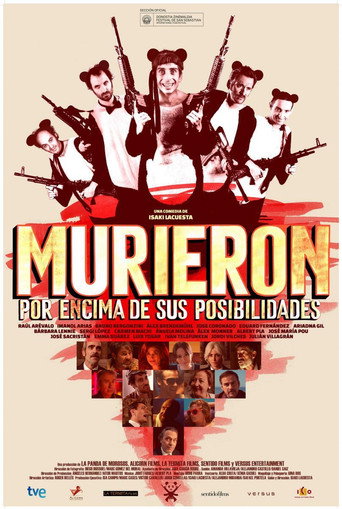
Isaki Lacuesta presents a social satire in which five common or garden citizens, from a country pretty much identical to our own, see their lives ripped apart by the economic crisis. With nothing more to lose, they come up with a crazy plan to save the Spanish and world economy: kidnap the chairman of the Central Bank and demand that he return everything to the way it used to be.
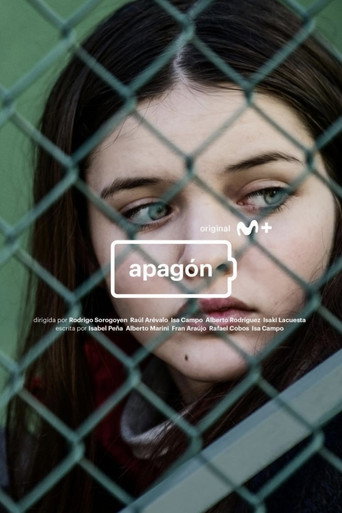
After a blackout paralyzes the country, the residents of a small town manage to organize themselves in order to survive. However, their fragile peace is threatened by a group of feral children. For the teenagers, who have been locked up with their parents for some time, their presence is a problem.
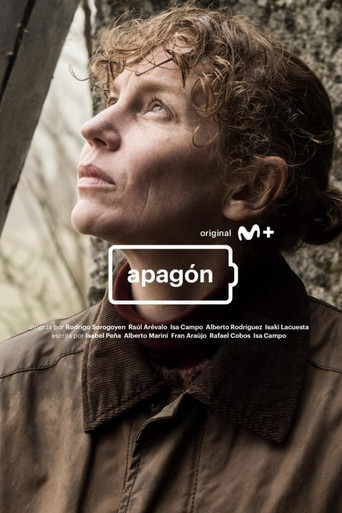
On the day of the blackout, Alicia prepares for the inevitable as she heads to her parents' country house. When the power goes out, she discovers she is not alone: some farmhands are stranded on the estate. Forced to live together, the group learns to organize themselves in order to survive.
A teenager who went missing and was presumed dead returns home after eight years to find a family deeply affected by his disappearance. Gradually, doubts arise about whether he really is the missing boy or an impostor.