Irma Vass Movies, TV Shows, and Filmography
Irma Vass
Acting
Biography
No biography available.
Filmography Movies
Acting
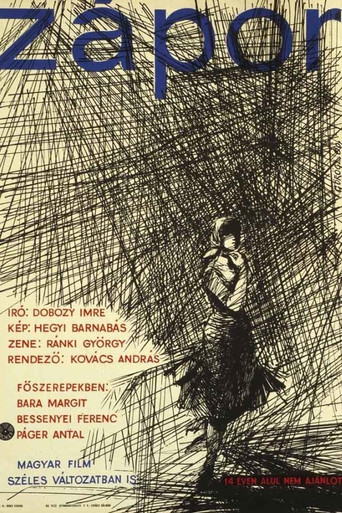
Summer Rain
Miskei, the popular and dynamic president of a co-op falls in love with Mari, the attractive wife of the elderly Pató. The deeply feeling woman is fed up with the service beside the haughty land holder, she is longing for tenderness and a child. The passion of Miskei is growing when he sees how crudely, humiliating Pató treats her. During a powerful summer shower, when chance brings them together in an abandoned press house, he storms on Mari confessing love. The woman refuses him bitterly. Miskei calms down and he keeps on expressing his love and high esteem with the woman by steadfast and tiny compliments. Early one morning Mari leaves her husband and sets off to the city to learn and to begin a new life.
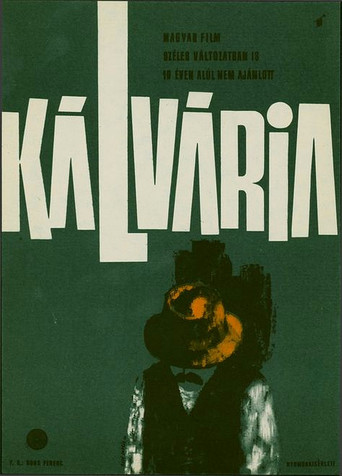
Calvary
Following his wedding, Feri left the co-operative and is now working on the land of his father-in-law. Tóth is extremely wilful and thrifty, working from early morning to late night, pushing his family as well.
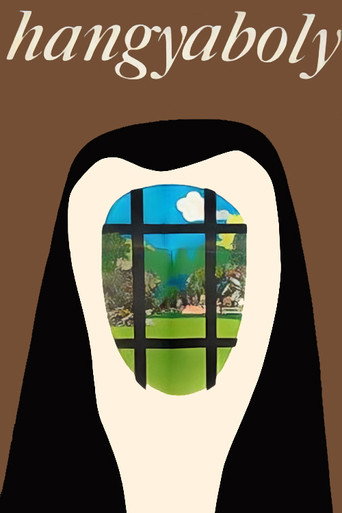
Ants' Nest
The head of the nunnery is dying, and the members are divided in two groups as the election of the new head approaches. Led by Virginia, the younger nuns stand up for changing the strict religious dogmas and would like a modern school with genuine science, a bathroom to be built, and a freer spirit. Their candidate is sister Magdolna, who went to secular universities, too. The seminarists, led by Király Erzsi, also rebel against the older nuns' strict discipline and the depressed atmosphere of the institution. However, Magdolna does not want to stay involved in the fight because she is deterred by Virginia's sinful attraction towards her and the tools Virginia is using to gain victory at any price.
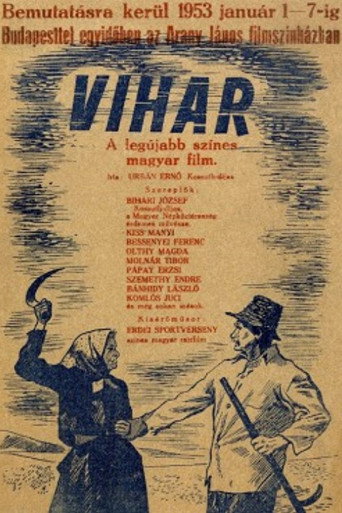
The Storm
Vörös Hajnal (Red Dawn), a co-operative is the venue of skylarking, while the storm destroys the wheat which is to be harvested soon. Árendás, a middle-peasant, voices severe accusations against members of the co-operative: out of negligence, they failed to keep the ditches clean. It is always the soft option they seem to favour, while the necessity of properly taking care of the farmlands is long-forgotten. Members of the co-operative and the village people are deeply divided.
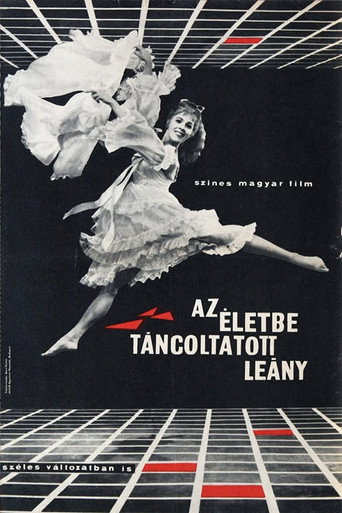
Eternal Dance
The dance play is based on the legend of the girl who was danced to death. Using the tools of folk dance, classical ballet and modern dance, the three parts tell the tale of the black man's spell that takes the girl away from her lover in a setting of folk tales, 18th century Rococo and the 1960s metropolis. But in the modern world, in the ballroom bustle of the last part, the girl is no longer alone, but with the help of the other young people, she is freed from the magic of the red shoe and manages to stay with her lover.

Merry-Go-Round
In a rural scenery in the throes of difficult changes lives a humble but promising young farmer girl called Mari Pataki. Her father forbids her from seeing the man she loves. The father, above all preoccupied by work on the fields and prospective wealth, decides to give his daughter in marriage to an old but rich man with whom he does business. Land marries land, he says. This seems to be the unyielding rule of the Hungarian peasantry. But the young lover is ready to stand up to any challenge to keep Maris love.
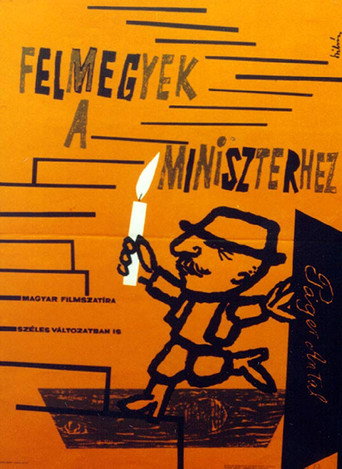
I'll Appeal to the Minister
A comedy about the organisation of agricultural co-operatives. In the village of "Rendes", everybody has already entered the co-op, only the stubborn farmer, Bódog Balogh continues to resist. The leadership plays all their tricks and uses all their efforts, but all in vain.
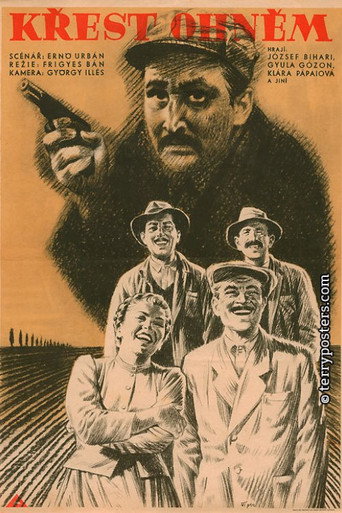
Tüzkeresztség
This propaganda film from the early years of socialist transformation in Hungary depicts kulak sabotage in production cooperatives. The prosperous peasant Ignatz Hato, one of the best farmers in the village, joins the Two Octobers cooperative, and soon all the small peasants follow him. The village rich, led by Lili Sohar, watching the great expansion of the cooperative, try to break up the cooperators with each other. Sohar's attempt bears fruit and Hato leaves the cooperative. Next, Lili Sohar tries to convince Ignatz Hato that she is planning to create a rival team of new rich people and urges him to join her. Ignatz refuses and does not give in to the blackmail. Lili's lover, a former gendarme, shoots party secretary Bozhine. At the wounded Božine's bedside, Ignác admits his mistake and asks to be accepted back into the cooperative. Sándor, the president of the cooperative, realizes that the collective should not prevent those who want to work honestly from joining.
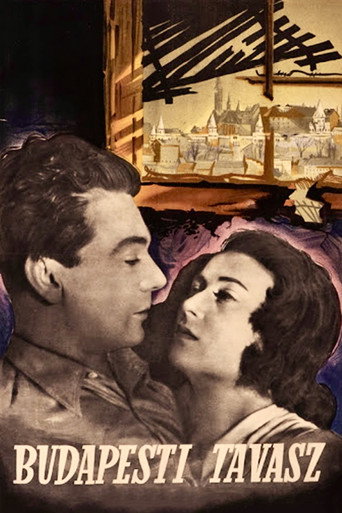
Springtime in Budapest
At Christmas Eve in 1944 the runaway Pintér and Gozsó get through the Soviet blockade around Budapest. Pintér intends to hide in a flat abandoned by his own relatives, but he finds his relatives called the Turnovszkys, who are hiding the Jewish Jutka as well. Love unfolds between Zoltán and Jutka.

A Glass of Beer
Marci is drafted from a typical block building in the 6th district in Pest. He says good-bye to Juli living in the same house, with whom they are both very much fond of each other, but neither of them makes a confession. Juli works in a factory, and with her friend Gizus she goes out in the evening for dancing and drinking. After a year, Marci comes back for holiday, he is full of love.