Iris Lammertsma Movies, TV Shows, and Filmography
Iris Lammertsma
Production
Biography
No biography available.
Filmography Movies
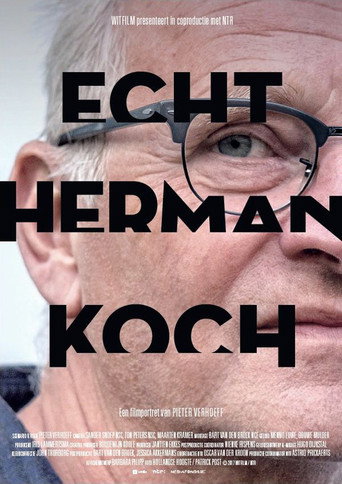
Production
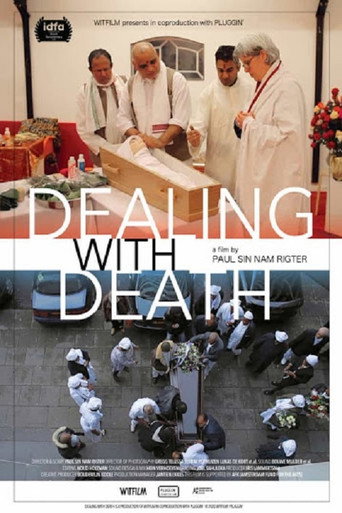
Dealing with Death
In the Bijlmer, in Amsterdam-Zuidoost, every culture has its own rituals around death. Funeral manager Anita has the task of attracting all those cultures to her soon to be built multicultural funeral home in the middle of the Bijlmer. Anita sets out on a tour to get to know this unfamiliar world. But the deeper she penetrates, the more she realises how little she knows about the Bijlmer’s different cultures.
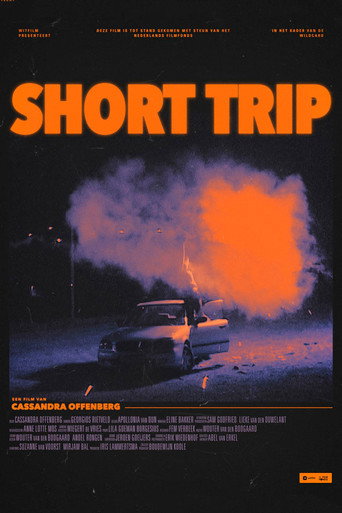
Short Trip
A film about the feeling of immortality of a group of young friends who lost one of their best friends. During a short trip, they seem to party unrestrained. But how does the harsh confrontation with death resonate in their lives?
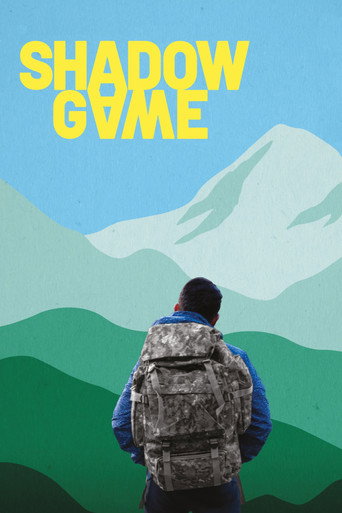
Shadow Game
Shadow Game is an experimentally filmed account of the far-reaching consequences of European asylum policy. Now fences have gone up all over Europe, seeking asylum has become almost impossible. The teenagers cross snowy landscapes and meet aggressive border police on their way. Reaching their final destination has become more difficult than ever. Their journey takes them through the whole of Europe: from Greece to North Macedonia, Serbia and Bosnia and Herzegovina, from Italy to France and The Netherlands. The film was shot over a period of three years, partly by the main characters themselves on their phones.
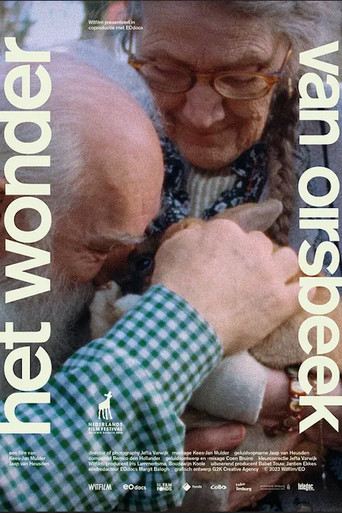
Silent Tears
The living room of a couple in Limburg is full of statues of saints, crying over all the bad news filing past on their television screens. But while nobody believes them, the two self-proclaimed 'little prophets’ are preparing for the imminent time when their rented house will become an international place of pilgrimage, including a healing spring.
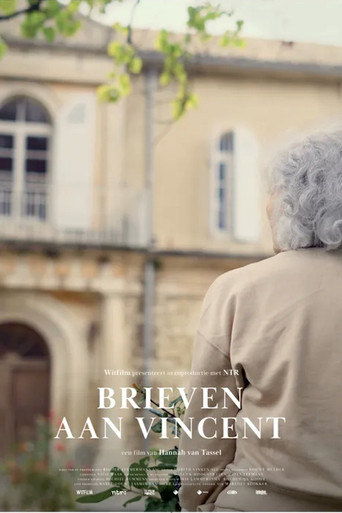
Letters to Vincent
During an intense emotional crisis towards the end of his life, Vincent van Gogh spent one year in Saint-Rémy-de-Provence, a mental institution that exists to this day. The female patients who stay there now mostly spend their days painting, like Van Gogh used to. Here, Van Gogh painted many of his famous works and wrote numerous letters. In this exploratory documentary, the present-day patients write a letter back to him. Where and in what ways do they find comfort?
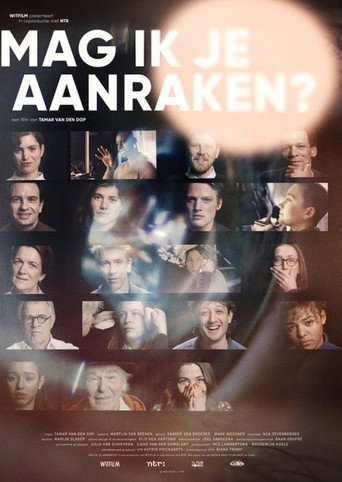
Mag ik je aanraken?
How do Dutch actors in the post-#MeToo era look back at intimate scenes and what do they think about the arrival of the intimacy coordinator? From her experience as an actress and filmmaker, Tamar van den Dop talks to several past and present icons.
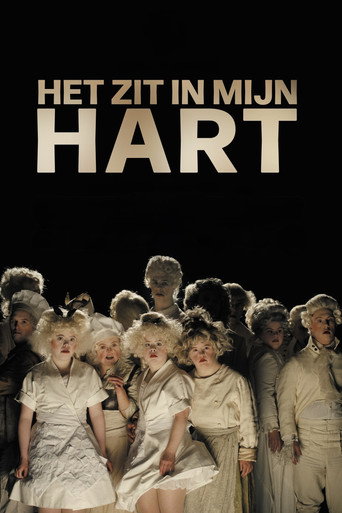
Inside My Heart
From backstage to the stage, from the magic of an opera to the depths of a documentary, Inside My Heart pushes the boundaries between the rehearsal process and the performance, at the heart of a troupe of professional actors with intellectual disabilities. A radically imaginative film that uses all possible cinematographic means to make the romances, conflicts and questionings of these actors palpable with lightness, literally sucking us in with them in a baroque drama with fairy-tale overtones. Through the themes of homosexuality, eroticism and the relationship to the body, Inside My Heart questions the way we look at things and what we might take for granted.
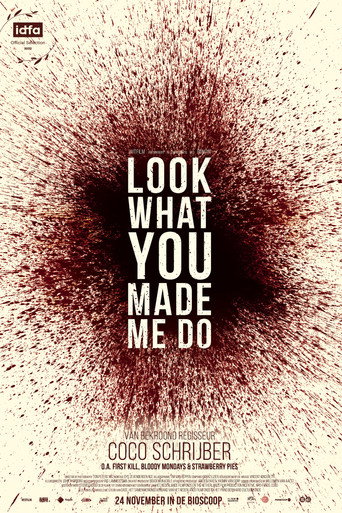
Look What You Made Me Do
“When I told my mother a boy was hitting me on the playground, she said: ‘That’s because he likes you.’” So begins this exposé about femicide, with the sentence appearing in black letters on a bright red background. The film shows three women who survived abusive relationships—by becoming murderers themselves. Laura from Finland, Rachel from the Netherlands and Rosalba from Italy explain how and, more importantly, why they killed their partners. One speaks eloquently, another haltingly, but all three are candid.
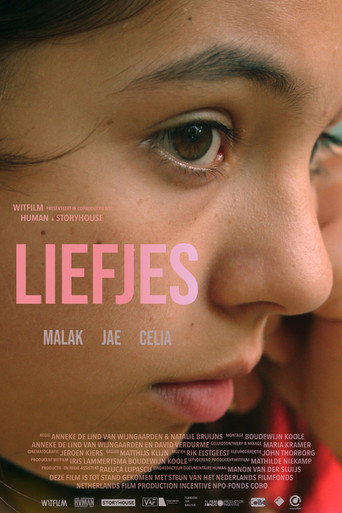
Sweeties
The 14-year-old Malak, Celia, and Jae travel with their parents to southern France for a summer without school, homework or daily duties. At the campsite, they can be who they want to be and do whatever they want. One looks for the company of her peers, the other withdraws into the online world with her smartphone and the third stays permanently in touch with her boyfriend. Intimate, dreamy, and recognizable documentary about infatuation, insecurity, and that complex period between childhood and adulthood