Acting
No biography available.
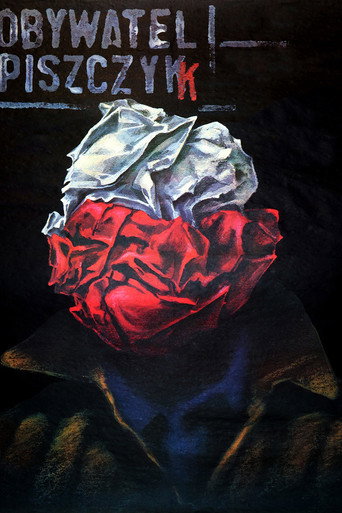
The protagonist of "Passerby" is writer and filmmaker Tadeusz Konwicki. His story, which reflects the paradoxes of the 20th century history, is commented by means of fragments of his films, documentary newsreels and stage productions.
Thirty years after the war, Anna, a journalist from Germany, leaves for her native village in Lower Silesia, which she had to leave with her family in 1945. Here she meets Ludwik, an old love and her daughter's father.
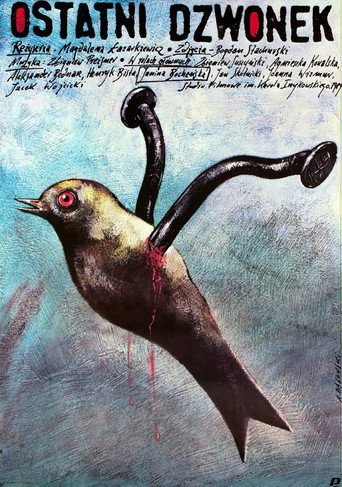
As high school students put on a politically-engaged school play, tensions begin to rise between them and their headmaster. The conflict seems to mirror the social situation in the 1980s Poland.
A radio journalist is having a heart attack. This event becomes a pretext to summarize life.
This film is a sequel to Munk's Zezowate Szczescie and it's much the same, only more so. The film begins in a cinema, where the last scenes of Zezowate Szczescie are being shown. Born unlucky, a victim of the errors and distortions of Stalinism, he is released in 1956. He meets a politically feverish woman, her influential parents, and finally becomes the father of her child. But bad luck, or perhaps an unlucky era, will not let him forget.
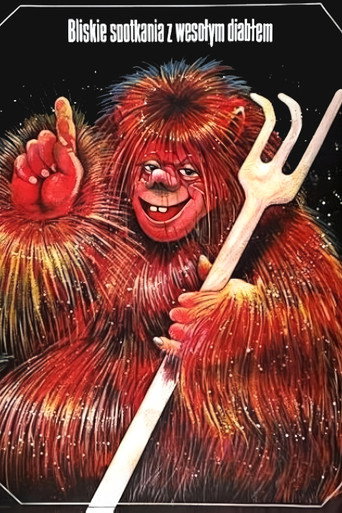
A little devil appears in a small town, seemingly terrorising its inhabitants, but actually turns out to be a friendly creature when it helps a disabled boy.
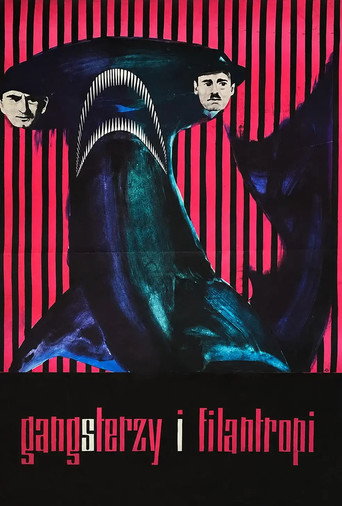
The movie consists of two satirical novels based on the same idea: both the "gangsters" and "philanthropists" end up in the courtroom.
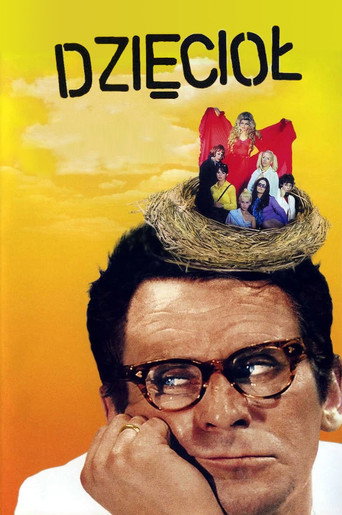
A man approaching middle age gets more than he bargained for when he tries having an extramarital affair while his wife is away.
A popularity-hungry young journalist writes a sensationalist article on a supposed teen suicide club.
On August 1, 1944, Warsaw holds its breath as Home Army couriers spread word that “W-hour” is at 17:00. A platoon under “Czarny” must assault German barracks without the expected backup—an order they follow at the risk of collective suicide.