Inna Churikova Movies, TV Shows, and Filmography

Inna Churikova
Acting
Biography
Inna Mikhailovna Churikova (1943-2023) was a renowned Soviet and Russian actress celebrated for her extensive work in both film and theater. Born in Belebey, Bashkir ASSR, she moved to Moscow in the early 1950s. She studied at the Stanislavsky Theater's drama studio and graduated from the Shchepkin Theater Institute. Churikova gained fame with films like "No Path Through Fire" (1968) and "The Beginning" (1970), directed by her future husband Gleb Panfilov. Over her career, she appeared in more than 80 films. She received numerous prestigious film awards, including the Silver Bear for Best Actress at the Berlin International Film Festival and multiple Nika Awards. Her theater career was equally distinguished. She became a leading actress at the Lenkom Theatre. Some of her notable stage roles included Arkadina in Chekhov's "The Seagull," which earned her the State Prize of the Russian Federation in 1996. She also received the Stanislavsky Award (2014) for her contributions to theatrical arts. Inna Churikova passed away on January 14, 2023. Titles and Recognitions (by year): - Honored Artist of the RSFSR (1977) - For her contributions to Soviet theatrical art. - People's Artist of the RSFSR (1985) - For her contributions to Soviet theatrical art. - People's Artist of the USSR (1991) - For her significant contributions to Soviet theatrical art. - Officer of the Order of Arts and Letters (France) (2010) - Honored for her outstanding contributions to the arts. - Honorary Member of the Russian Academy of Arts. Major Awards (by year): - Locarno International Film Festival Award (1969) - Best Actress for "No Path Through Fire". - Silver Bear for Best Actress at the Berlin International Film Festival (1984) - For her role in "Wartime Romance". - Vasilyev Brothers State Prize of the RSFSR (1985) - For her role in the film "Vassa". Nika Award: - Best Actress for "Adam’s Rib" (1991). - Best Supporting Actress for "Bless the Woman" (2004). Golden Eagle Award: - Best Supporting Actress for "The Idiot" (2004). State Prize of the Russian Federation (1996) - For her role in Chekhov's "The Seagull". Stanislavsky Award (2014) - For her outstanding contributions to theater.
Filmography Movies
Acting
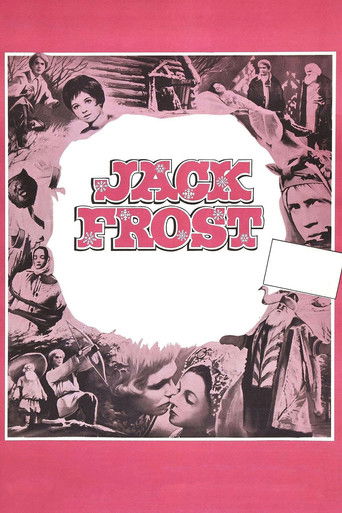
Father Frost
A fairy tale about a conceited young man and a young woman with a tyrannical step-mother, who must overcome magical trials in order to be together.
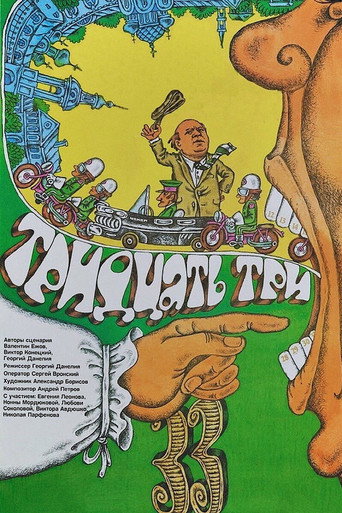
Thirty-three
The dentist of the provincial town of Upper Yamki made an unexpected scientific discovery by finding the thirty-third tooth in the patient’s oral cavity, Ivan Sergeyevich Travkin. Travkin, exhausted from pain, was taken to Moscow. Ivan Sergeyevich first becomes a patient of a madhouse (thanks to envious persons), and then — a hero of a scientific international conference and, finally, a patient of a dentist professor Bruk.
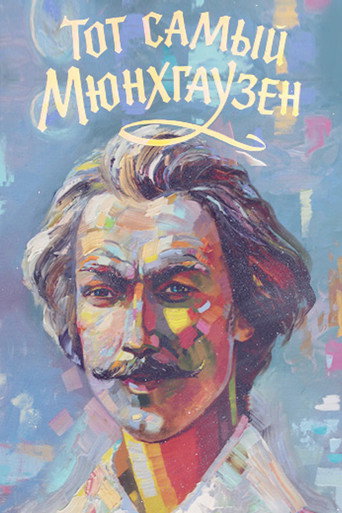
The Very Same Munchhausen
A philosophical and poetic portrait of the famous (or maybe infamous?) Baron Munchhausen. His crazy, yet very merriment, stories, views and behavior is what sets him apart from others. He becomes alienated from the society that failed to grasp his brilliance. In fact, his brilliance is what underlines the faults with the society itself. It's a beautiful yet tragic story that is filled with dense and intellectual dialogue.
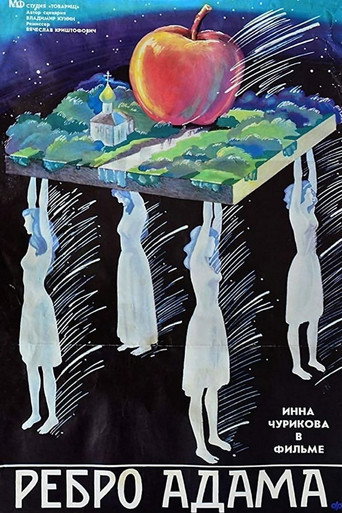
Adam's Rib
The film is based on the story of Anatoly Kurchatkin "House of Women". A tragicomedy about four women of three generations who lives in a tiny Moscow apartment: a sick grandmother, constantly requiring attention; a mother, very peculiar woman, who still hoping to somehow arrange her personal life; and two daughters, each of whom has a lot of problems.
Casus Belli
A gentleman hires a female private detective to spy on his wife - and suddenly falls in love.
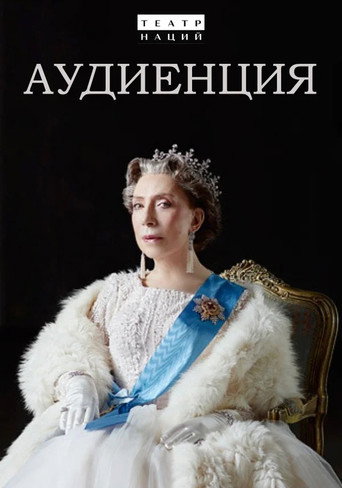
Audience
...Every Tuesday, at six o'clock in the evening, the Queen of Great Britain gives an audience to the Prime Minister. No one and nothing obliges them to participate in this ritual, but according to the rules of good form, the Prime minister must inform his monarch about events in the country and the world. For six and a half decades, many politicians have replaced each other in the chair of the head of the cabinet, from Sir Winston Churchill to Margaret Thatcher and Theresa May, the world has changed beyond recognition. Only one thing remains unshakable – the report of the Prime minister, whoever it is, is received by Queen Elizabeth II, who has occupied the British throne for the longest time in history.

Burnt by the Sun 2: Citadel
The final part of Mikhalkov's trilogy about Divisional Commander Kotov finds him returning home during World War II having been betrayed, narrowly escaped execution for treason and nearly reduced to dust in a prison camp. Only to discover that everything has changed and he will have to fight again for his name, for his honor, and for his love.
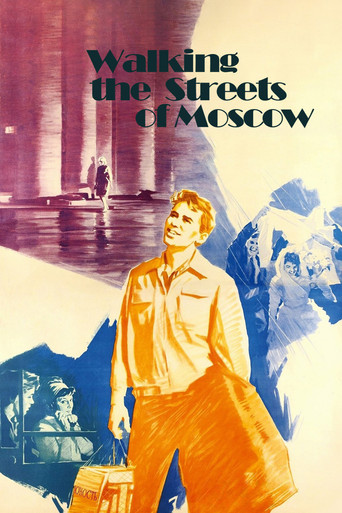
Walking the Streets of Moscow
On a stopover in Moscow, a young writer Volodya makes friends with Kolya, who is returning home from a hard night shift. Just as Kolya is about to take a rest, he is met by his old friend Sasha, who wants help getting a deferral from military service so that he can get married.
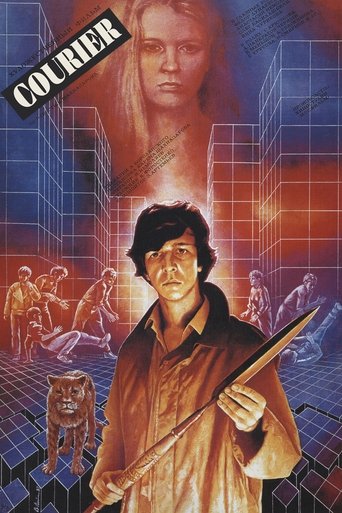
Courier
Ivan Mirosnikov, a cheeky young man in the Gorbachev era, is trying to figure out what to do with his life (he's not in college, and the 2-year mandatory military service is looming large ahead of him). Meanwhile, he lives with his divorced mother, and works as a courier at a Russian newspaper. Through his job, he meets patronizing Professor Kuznetzov and his rebellious daughter Katya. To annoy the professor, Ivan claims to have an affair with Katya. To his surprise, Katya backs his story up.
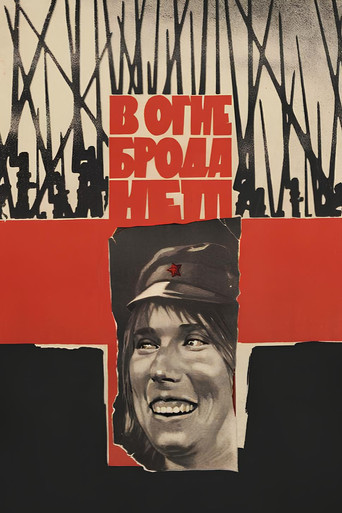
No Path Through Fire
A talented girl is trying to find happiness amidst the Russian revolution of 1917 and the civil war that split the nation.
Production
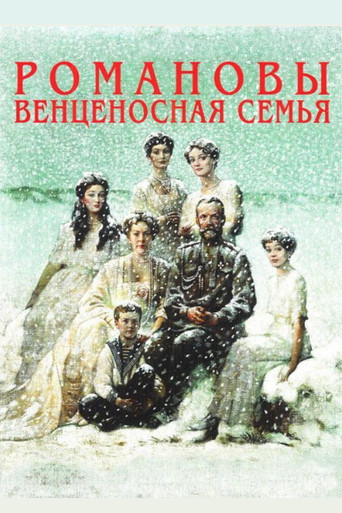
The Romanovs: A Crowned Family
The story of the last year and a half of Tsar Nicholas II and his family from the February Revolution of 1917 to their execution in July 1918.
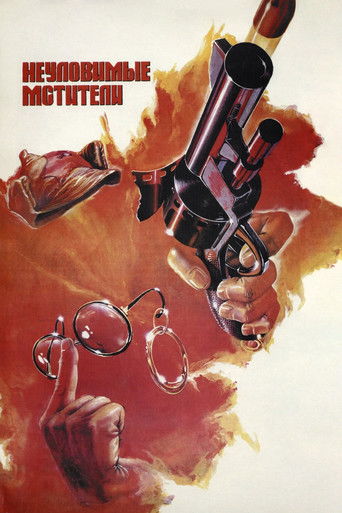
The Elusive Revengers
Danka's and Ksanka's childhood in the village brutally ends when their father is killed by a White Guard officer in front of their eyes. Seeking revenge, they join forces with Valerka, an intellectual from big city, and the gipsy Yashka, but before they can get close to their enemy they have to help their village and the advancing Red Army.
Gallery