Indu Mukherjee Movies, TV Shows, and Filmography
Indu Mukherjee
Acting
Biography
No biography available.
Filmography Movies
Acting

Shree Gouranga
Sree Gouranga is a 1933 Indian Bengali biographical film that chronicles the life of the revered spiritual leader, Sri Chaitanya Mahaprabhu, also known as Gauranga. The film delves into the early life of Mahaprabhu, born Nimai in Mayapur in 1486, highlighting his mischievous childhood and subsequent intellectual brilliance. Despite family pressure to marry, Mahaprabhu prioritizes his spiritual journey and eventually leaves his home to become an ascetic. The film portrays his deep devotion to Lord Krishna and his eventual return to visit his mother, where he instructs his wife to worship the same deity. The film is a historical and devotional portrayal of the saint's life.
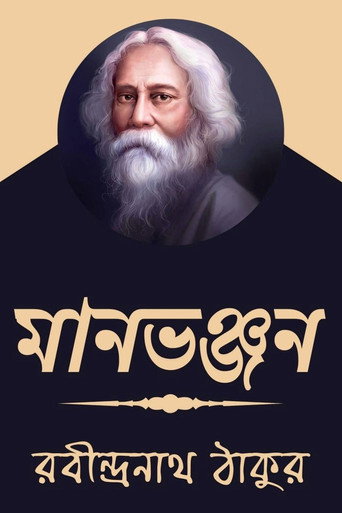
Maanbhanjan
Maanbhanjan explores the complexities of love, obsession, and identity. The story follows a neglected wife who finds solace and empowerment through the transformative world of theater. As she navigates the complexities of her marriage and the allure of the stage, she challenges societal norms and redefines her own destiny.

Uttarayan
A 1941 Bengali film directed by Pramathesh Barua; the film was remade in 1963.

Mayer Pran
A 1941 Bengali Drama Film directed by Pramathesh Barua.
Subah Shyam

Rajat Jayanti
The simple-minded Rajat (Barua) loves neighbour Jayanti (Menaka Devi). He is advised on how to court her by his streetsmart cousin Bishwanath (Sanyal) and Bishwanath's friend Samir (Bannerjee). Bishwanath and Samir try to get Rajat's miserly guardian Bagalcharan (Choudhury) to loan them money so that Samir can make a 'European-style art film'. The guardian is admitted to the clinic of a doctor Gajanan where he falls into the clutches of two professional crooks Natoraj (Indu Mukherjee) and Supta (Molina Devi). Supta wants Rajat and they try to kidnap her...
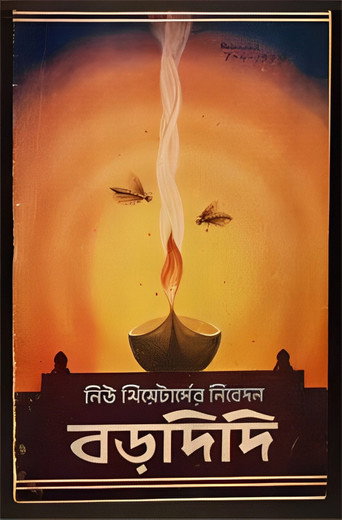
Baradidi
Suren, prevented by his family from pursuing a university career, leaves home and becomes a tutor to Pramila. He falls in love with her widowed elder sister Madhavi who, although returning his love, has him sacked to save the situation.
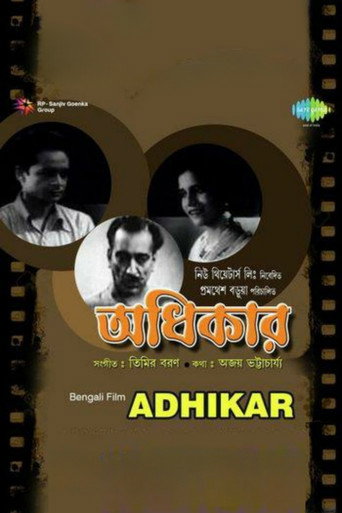
Adhikar
Melodrama about lineage and property questions. Nikhilesh (Barua) loves heiress Indira (Jamuna). A poor orphan girl, Radha (Menaka Devi), arrives claiming to be Indira's stepsister and therefore part inheritor of the family estate. Indira agrees to share her inheritance but then Radha makes a play for Nikhilesh. Ultimately, Radha turns out to be the real and sole heir. Love proves to be stronger than material possession as Indira and Nikhilesh get married and Radha finds happiness with Ratan, a man she had known and loved during her days of poverty. As each character returns to the class of his/her birth, the message hammered home is a warning to people never to transcend their social status.
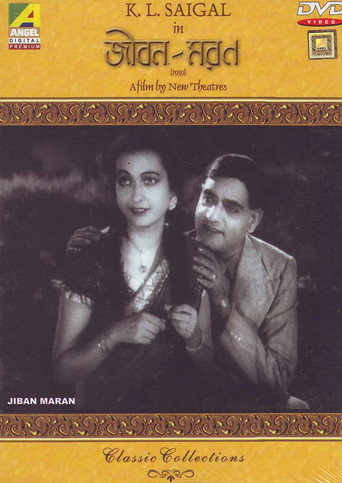
Jiban Maran
A famous radio singer Mohan (Saigal) is in love with Geeta (Leela Desai). When he goes to his friend a doctor, TB Specialist, Bijoy (Bhanu) for a check-up, he is found to be in an advance stage of TB. Meanwhile Leela's dominant mother and aunt (Nibhanani and Manorama) had been against the poor Mohan and had set their eyes on same Dr. Bijoy, the son of a family friend. When Mohan comes to know of it, and also his sickness, he decides to walk away from them. He is intercepted by a doctor who ran a sanatorium for TB patients, with some new method of treatment. Geeta couldn't forget Mohan and waited, but in the end she had to relent. Then it was known that Mohan was alive and cured. What would now Bijoy and Geeta do? There wedding was the next day, and they have to go ahead with it, the honour of both the families were at stake. Mohan too aware of his being exposed, disappears from the sanatorium and is untraceable.

Purbarag
Purbarag follows the journey of Indranath, a young man deeply influenced by his early childhood experiences. Orphaned at a young age, Indranath finds solace and guidance from his teacher, Jatileswar Chatterjee, and his family. After completing his education, Indranath returns to his hometown and encounters both familiar faces and new challenges. The film explores themes of loss, love, friendship, and the search for meaning in life. Indranath's experiences reflect the societal changes and cultural shifts of the time. Through his interactions with various characters, he grapples with the complexities of human nature and the importance of personal values.