Indrek Taalmaa Movies, TV Shows, and Filmography

Indrek Taalmaa
Acting
Biography
Indrek Taalmaa (born July 9, 1967) is an Estonian stage, television, voice, film actor, and theatre director whose career began in the early 1990s. Indrek Taalmaa was born and raised in the town of Viljandi. He graduated from Viljandi Secondary School No. 4 in 1985. In 1986, he entered the Drama School of the Tallinn State Conservatory (now, the Estonian Academy of Music and Theatre), but was conscripted into the Soviet Army and spent two years deployed to Afghanistan during the Soviet–Afghan War. Taalmaa's first significant television role was as Carl Danhammer in the 2005 Ilmar Raag-directed Eesti Televisioon (ETV) television film August 1991; a dramatization of the failed Soviet attempt to suppress the independence movement in Estonia. The following year, he portrayed Konstantin Päts, the first head of government, in the twelve-part ETV historical drama television mini-series Tuulepealne maa. Also, in 2006, he appeared on Finnish television in the role of Igor Golitsyn in the Tapio Piirainen-directed crime drama film Bodomin legenda. Taalmaa began his film career in several short films and as a voice actor in animated short films in the early 1990s. His first significant film role was that of Oskar Elevant in the 1997 historical comedy Minu Leninid (All My Lenins), directed by Hardi Volmer. Other roles followed in the 2005 Rainer Sarnet-directed thriller Libahundi needus (Curse of the Werewolf) and the 2006 Elmo Nüganen-directed comedy Meeletu (Mindless); both of which were originally aired on Estonian television, then released theatrically. In 2007, he played the role of Talesh in the Peeter Simm-directed biographical drama film Georg, which chronicled the life of Estonian singer and actor Georg Ots. In 2008, he played the role of President of Estonia Konstantin Päts in the Ain Mäeots-directed Exitfilm biographical drama Taarka, based on the play of the same name by Kauksi Ülle about the difficult life of Seto folk singer Hilana Taarka. Taalmaa has appeared in over thirty short films, animated films, and feature films. Notable appearances include roles in the 2009 Andrus Tuisk-directed road-movie Pangarööv (Bank Robbery), the 2013 René Vilbre-directed family film Väikelinna detektiivid ja valge daami saladus, the 2017 Sulev Keedus-directed drama Mehetapja/Süütu/Vari (The Manslayer/The Virgin/The Shadow), the 2017 Andres Puustusmaa-directed comedy Rohelised kassid (Green Cats), and the 2018 Moonika Siimets-directed period drama Seltsimees laps (The Little Comrade). In 2021, he appeared in the role of Landlord in the Ergo Kuld directed comedy film Jahihooaeg (Hunting Season) alongside Harriet Toompere, Mirtel Pohla and Grete Kuld. The following year, he appeared in the Ergo Kuld directed romance-drama Soo (The Bog), screen written by Martin Algus and based on the novel 1914 novel of the same name by Oskar Luts. In 2012, when the 1994 Disney animated musical film The Lion King was dubbed into the Estonian language, Taalmaa voiced the character Pumbaa. Indrek Taalmaa is in a long-term relationship with actress Karin Tammaru. The couple have two sons and reside in Tallinn.
Filmography Movies
Acting

Hunting Season
Eva, 45, has recently divorced and is now afraid of losing both her son and her best friend to her ex’s new young, successful and brilliant sweetheart Isabel. To win back her positions, Eva goes on a road trip with her friend Marleen and Isabel, which makes the women confront different men, comical mishaps, even more comical quarrels, real hunting and most importantly themselves, forcing them to realise in the Christmas bustle what is most precious in life.
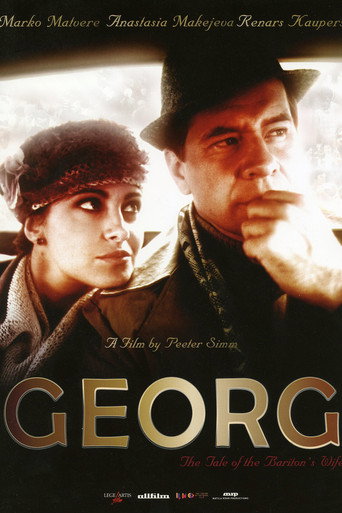
Georg
Unforgettable melodies, unique timbre and a memorable, soul-stirring voice. A mystery for women and authority for men, his talent was revered by the highest ranks of the Soviet Union and millions of ordinary people. Georg Ots took the stage when a huge country was recovering from the horrors of war, and his voice returned them faith in a bright future. Few people know what his life was really like.

The Bog
Young artist Toomas Haava returns from Paris, back to his brother's bog farm and wraps himself unintentionally in a conflict with the violent and terrifying Madjak, who is harassing a local girl, Hilda, also known as Wildcat. Enchanted by the mysterious beauty, Toomas finds himself in the middle of a fight for love.
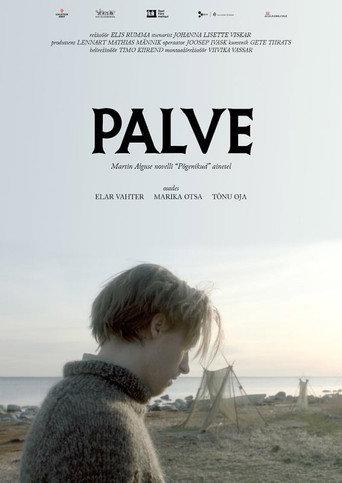
The Prayer
Jakop has been living by Peipsi for several generations. He is not the best fisherman and doesn't have much money. One day, Jakop's nephew arrives at the yard. Jakop has a chance get a thousand rubles if he agrees to make one small trip over the lake and back. Namely, the nephew has a fugitive in the car who thinks that he is on the north coast. But Jakop refuses the offer. However, he allows his nephew and the refugee to stay with him for the night. In the morning, however, the nephew leaves and leaves the speechless fugitive to Jakop's conscience. Jakop has to make a decision - whether he takes refugees across lake Peipus? In the whirlwind of events, memories come to life in Jakop's dreams about his brother and his suicide. Jakop begins to see similarities between the lost brother and the fugitive.

The Little Comrade
In the midst of Stalinist tyranny, six-year-old Leelo's mother is sent to a prison camp. Haunted by her mother's last words telling her to be a good kid, Leelo vows to be on her best behaviour in the confusing grown-up world in the hope that it will bring her mother back.

Aurora
Aurora, the daughter of a religious leader, enters into a secret affair that changes her life. She tries to please everyone but when it's time for a lavish wedding anniversary celebration, an uninvited guest arrives.
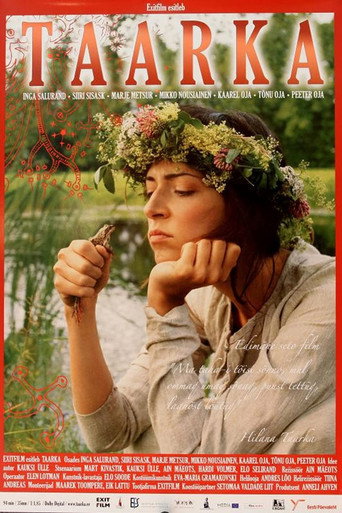
Taarka
The first film in the Seto language in the world speaks about the brightest heroine of a small people, the folk singer Hilana Taarka, a woman who lived her whole life as an outcast in a small chimney-less hut; as an unmarried mother of children in poverty, begging her bread, doing odd jobs and singing. She always sang the truth, sometimes bitter, sometimes funny, sometimes cruel. She was feared, despised and coveted. Taarka sang throughout her remarkable life, throughout her fate, from a small Seto village to international fame. And she sang well. Really well. Taarka became the Mother of the Song, a legend. But as a woman, as a member of the community, the Seto people never really accepted her. Taarka - a despised woman and a worshiped singer.
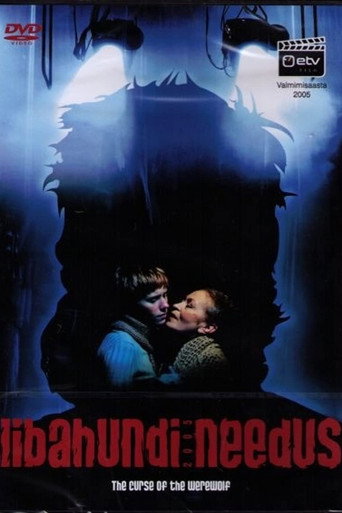
The Curse of the Werewolf
Liina is a young actress at Vanemuise Theatre who gets Tiina's part in the new, postmodernist version of the play "Werewolf" by August Kitzberg. The theatre is haunted and the rehearsals seem to be cursed, artificial blood becomes real blood. The play won't be complete before the murder mystery is unsolved - and Liina is being taken back to the old theatre legends and intrigues of the past century.

I Was Here
Living alone in an Estonian slum and unable to afford basic needs, a top high school student reluctantly enters the drug game to make ends meet.
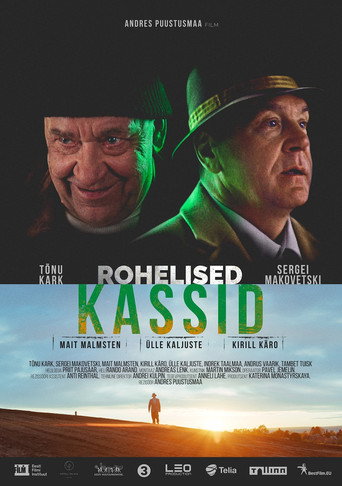
Green Cats
This is a story of two old folks, who have spent most of their lives behind prison walls. Now, as seventy year old men, they have been granted amnesty. Both men have a passionate desire to change their lives according to certain plans.
Gallery