Acting
No biography available.
Mesmerized by the image of an active volcano on the other side of the world, a woman sets out to meet her fury. On the way, without being able to return, she finds herself in an extraordinary pregnancy, starting the account of the journey that gives shape to this play-film, a journey between theater and cinema inspired by the narratives of fantastic realism.
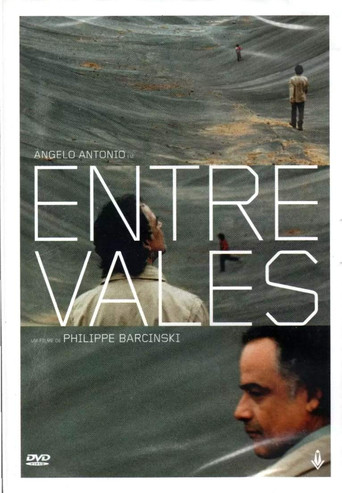
This is the story of Vicente, a successful, married, economist with a nine-year-old son. It also tells the story of Antônio, the same man, living as a hugadores—one of the homeless, trash scavengers who live and work in Brazil’s enormous garbage dumps. Vicente seems to have it all, but as we watch his life begins to crumble little by little. Meanwhile, Antônio, already at rock bottom, struggles to rebuild his life.
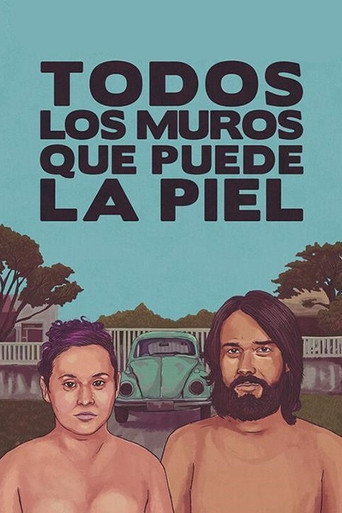
A couple receives an unexpected visit while trying to pay off a debt that threatens to take away the "child" they have cared for throughout their relationship.
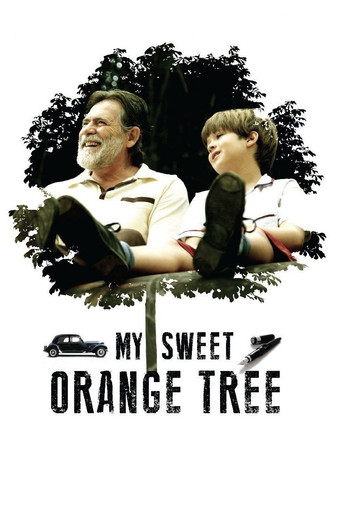
Zezé is an 8 year old boy who, although a naughty boy, has a good heart. He leads a very modest life, due to the fact that his father has been unemployed for a long time, and has the habit of having long conversations with a sweet orange tree which is in his backyard. Until one day he meets Portuga, a man who begins to help him and soon becomes his best friend.
A woman wakes up in the middle of the night and notices the presence of a stranger inside her house. This unusual meeting between people from completely different worlds will have surprising consequences for both.
Derley makes a living by participating in cultural contests and sweepstakes. His wife, Maria Celia, is pregnant and wants that he arranges a real job, generating an intense crisis in the relationship. But Derley will try to prove to Maria Celia that luck is always at his side.
After the inauguration of a crematorium in the city, a widowed matriarch imposes her last wish on her children who, despite trying hard to fulfill their mother's request, face several obstacles and paradigms linked to family rituals.
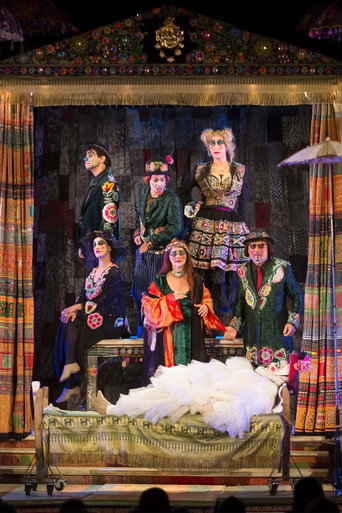
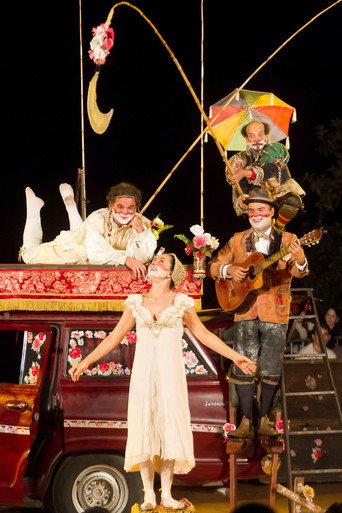
Grupo Galpão’s Romeu e Julieta (1992), directed by Gabriel Villela, is an intercultural adaptation of Shakespeare’s Romeo and Juliet, a production that intentionally draws on a range of popular practices such as street theatre, circus performance and the tradition of the commedia dell’arte, as well as on elements from the cultural imaginary of Minas Gerais in southeast Brazil.
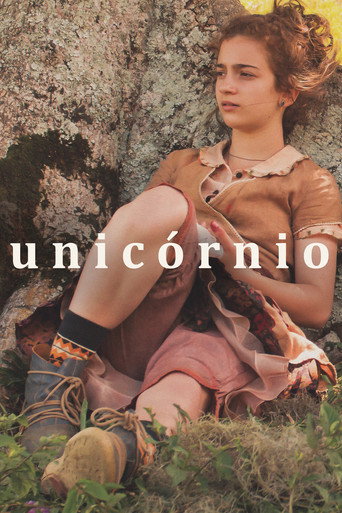
A young girl of 13 lives with her mother on an isolated property. They are awaiting the return of their father and husband. But instead, another man appears, transforming the relationship between the mother and daughter. Based on two short stories by Brazilian poet Hilda Hilst.