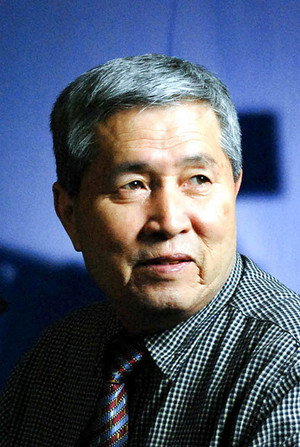
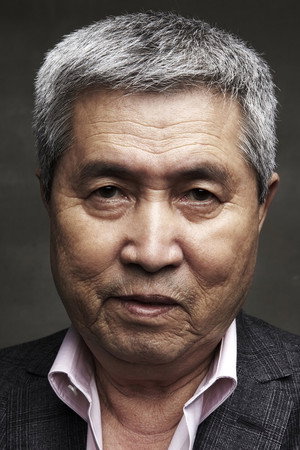
Im Kwon-taek Movies, TV Shows, and Filmography
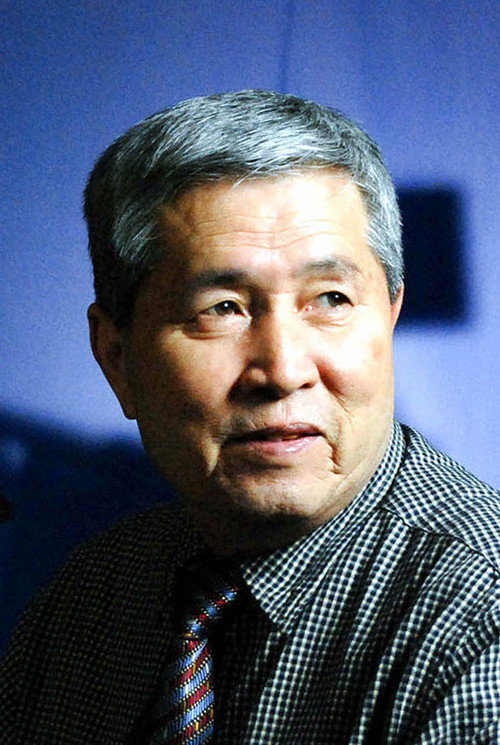
Im Kwon-taek
Directing
Biography
Im Kwon-taek (born May 2, 1936) is one of South Korea's most renowned film directors. In an active and prolific career, his films have won many domestic and international film festival awards as well as considerable box-office success, and helped bring international attention to the Korean film industry. As of spring 2015, he has directed 102 films.
Filmography Movies
Acting
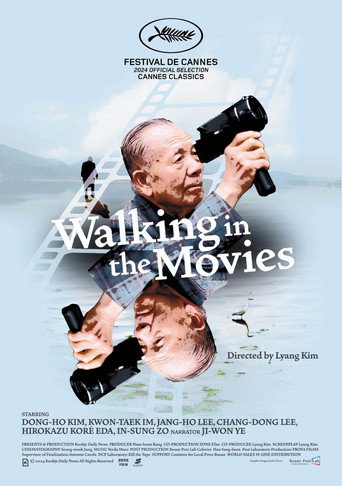
Walking in the Movies
KIM Dong-ho is the founder of the Busan International Film Festival and one of the key figures in the rise of Korean cinema. Starting his career as a civil servant, he dedicated his whole life to the sheer passion for films. With his deep commitment and instinctive creativity, he will keep “walking in the movies.”
The Nine Lives of Korean Cinema
South Korean cinema is in the throes of a creative explosion where mavericks are encouraged and masters are venerated. But from where has this phenomenon emerged? What is the culture that has yielded this range of filmmakers? With The Nine Lives of Korean Cinema, French critic, writer and documentarian Hubert Niogret provides a broad overview but, nevertheless, an excellent entry point into this unique type of national cinema that still remains a mystery for many people. The product of a troubled social and political history, Korean cinema sports an identity that is unique in much modern film. Niogret's documentary tells of the country's cinematic history - the ups along with the downs - and gives further voice to the artists striving to express their concerns, fears and aspirations.
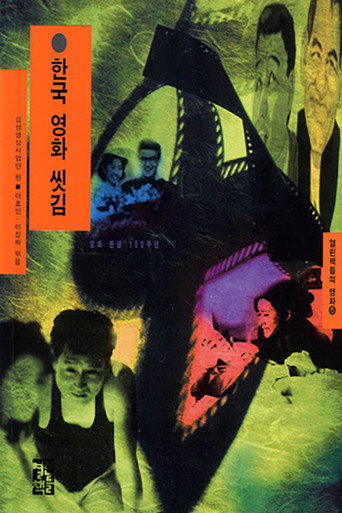
The Cinema on the Road
A personal consideration of the Korean cinema by director Jang Sun-Woo, looking at it’s history of outside influence and censorship.
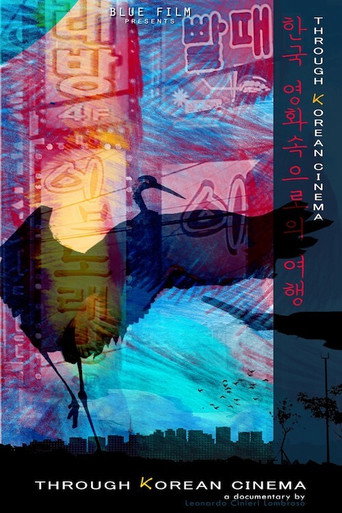
Through Korean Cinema
Discover the roots of Korean cinema. A cinema who surprised by the success recorded in the major international festivals. Interviews to five famous Korean directors, to get to know closely the evolution of Korean cinema. Through their words, their pictures and their stories. The Korean cinema has tendency to describe both the society, the past and the modern. The world of west cinema knows these directors through the journey of some of their movies. What do we know about their thoughts, their life, their culture and their way of working? The documentary focus on it.
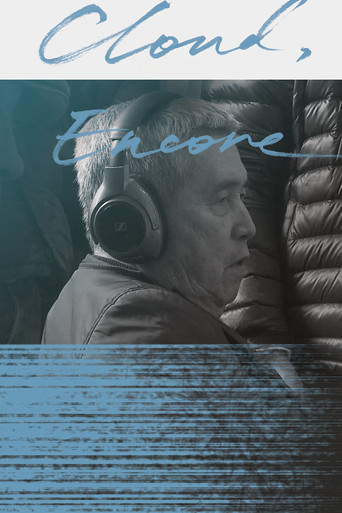
Cloud, Encore
At 6:00 in the morning on the 1st day of January in 2013 80-year-old film-maker IM Kwon-taek started shooting his 102nd film, after his unintentional 5 years’ break. I visited the shooting scene with my camera and had stayed there until the end of that year. I’ve always wanted to record IM’s shooting scene, as I believed that there we could find his secret manual which reflects the master’s large experience. I’ve been through heavy snow to witness funeral scene. I’ve also been to the west coast to follow funeral cortege in the film. It was an experience to put the life in the frame alongside with the death. When the next spring came, the shooting finally ended.
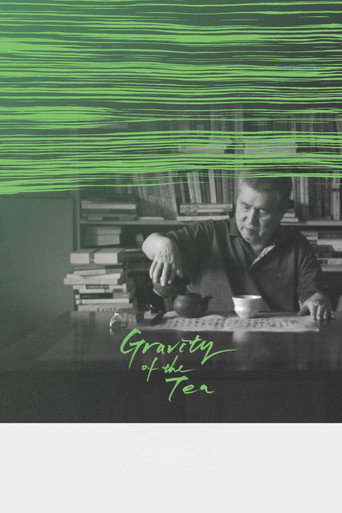
Gravity of the Tea
IM Kwon-taek is a Korean film-maker. He was born in 1934 when his country was under Japanese occupation. When Korean War was over his parents became North Korean partisan, and he ran away from home. He’s made 101 films since he made his debut in 1962 with Farewell Doman River. He tasted the glory at Cannes Int’l Film Festival with Chiwhasun. However making the 102nd film seems harder than ever to this 80-year-old director. His 2 projects have been suspended. He still can’t find chance to make his 102nd film, but spends daily routine free from film-making. This is a recording of years that the film-maker spends without making a film.
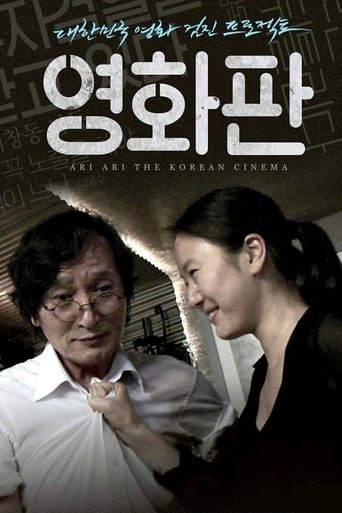
Ari Ari the Korean Cinema
Director Chung Ji-Young criticizes the thought that older directors have difficulties in making certain movies. Actress Yoon Jin-Seo agonizes over her identity as an actress. In 2009, before the movie "Unbowed" was made, they met and planned a documentary about Korean movies, including the processes a Korean movie goes through and difficulites. "Ari Ari the Korean Cinema" is a documentary with interviews of Korean directors, actors and actresses.
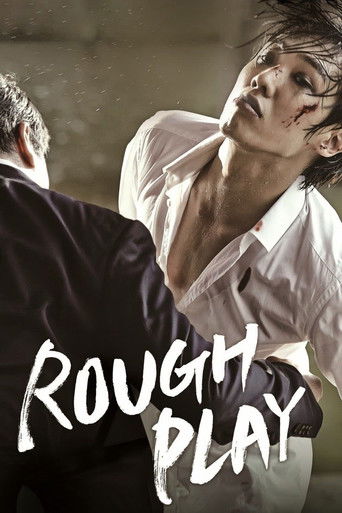
Rough Play
Young is a nameless actor who dreams of becoming a big movie star. Then one day, he makes his breakthrough with a film and becomes a star overnight.
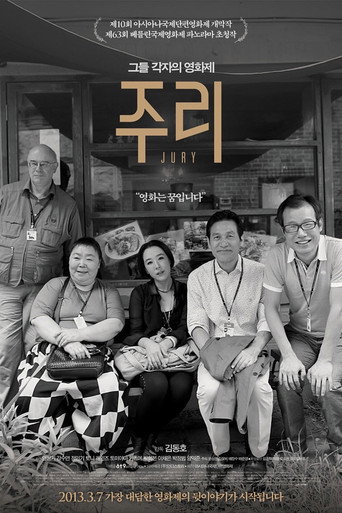
Jury
After the film screening, five people hold a meeting. Director Jeong asserts that a film should move the heart. Actress Soo-yeon emphasizes on the message of the film, Film critic Tony just discusses about the current trend of Korean cinema. Tomiyama cannot fully express her thoughts because of the language barrier. And, the head of jury, Sung-ki can’t control the situation. Will this jury reach an agreement against all odds? A satire for those who make, watch, and criticize films is about to begin.
Bhiksuni
A partially restored version of Director Im Kwon-taek's Bhiksuni, which was halted in 1984 due to opposition from the Buddhist community. It contains the agony of a woman who has converted to Buddhism. The documentary, which is shown together with the partially restored version, contains the story of the production of Bhiksuni told by actress Kim Ji-mi, director Im Kwon-taek, cinematographer Jung Il-sung, and writer Song Gil-han.
Production
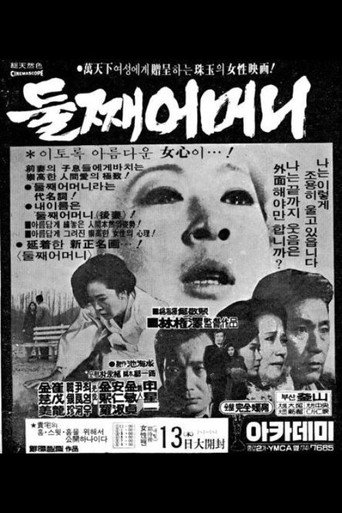
A Second Mother
Nam-Ok who has Yun-Ho and Yun-Suk remarries widowed Heung-Yeol who has Hyeong-Tae and Hyeong-Ja. Nam-Ok are concerned about frequent quarrels between half brothers and sisters, but manages to deal with them wisely. As Yun-Ho who went to fishing with him falls into the water, Heung-Yeol tries to save him only to drown himself to death. Fifteen years later, Hyeong-Tae goes abroad to study while Hyeong-Ja lives in extravagance in Seoul. Yun-Suk gets to know Dong-Oh on the train, and Dong-Ho gets to like her, but later misunderstands her due to Hyeong-Ja's scheme, which causes Yun-Suk to commit suicide.
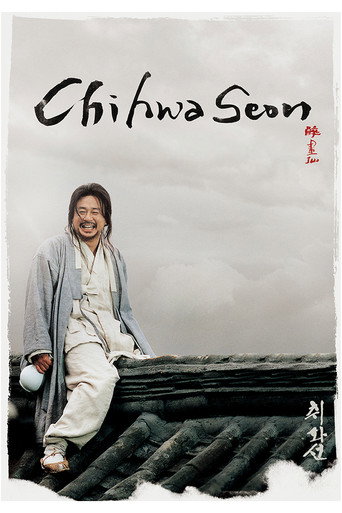
Chihwaseon
Jang Seung-eop, also known as "Chihwaseon," drinks and paints all day. Through Mae-hyang, he learns the meaning of fate, sees art beyond even the smallest things, and sets out for the path he seeks.
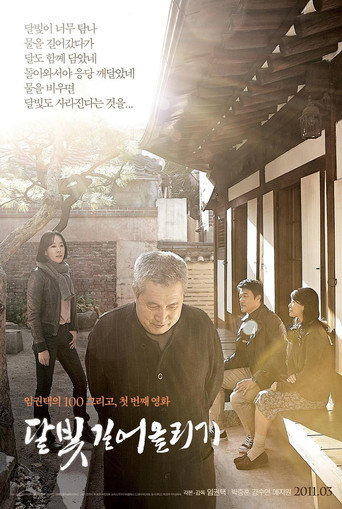
Hanji
Low-ranking civil servant Pil Yong (Park Joong Hoon) has things hard looking after his disabled wife(Ye Ji Won). He takes charge of a hanji project in hopes it will bring him a promotion. His wife comes from a family of hanji masters. One of his tasks include working with quarrelsome filmmaker Ji Won (Kang Su Yeon), who is shooting a documentary about hanji. Though he knows little about the subject to begin with, the more he learns about hanji, the more it takes on a new significance for him and the world around him.
Hanji
Low-ranking civil servant Pil Yong (Park Joong Hoon) has things hard looking after his disabled wife(Ye Ji Won). He takes charge of a hanji project in hopes it will bring him a promotion. His wife comes from a family of hanji masters. One of his tasks include working with quarrelsome filmmaker Ji Won (Kang Su Yeon), who is shooting a documentary about hanji. Though he knows little about the subject to begin with, the more he learns about hanji, the more it takes on a new significance for him and the world around him.
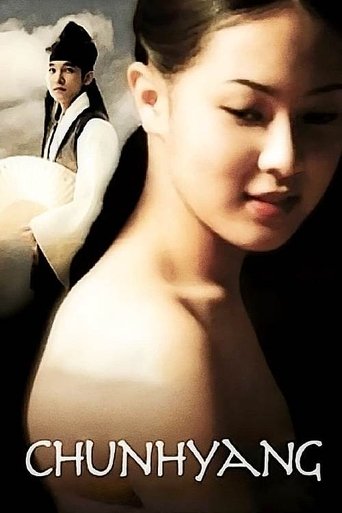
Chunhyang
Once at a pagoda Mongryong Lee, a scion of a well-to-do family, meets Chunhyang, the young daughter of a courtesan and an aristocrat. Despite her low social standing she is smart and well-educated. The young people fall in love and think about marriage so that they could always be together. Mongryong is soon to go to the capital to take the state civil service exam. They part and in Chunhyang's life there appears the greedy and lustful Byun Hak-do, who tries to seduce her.
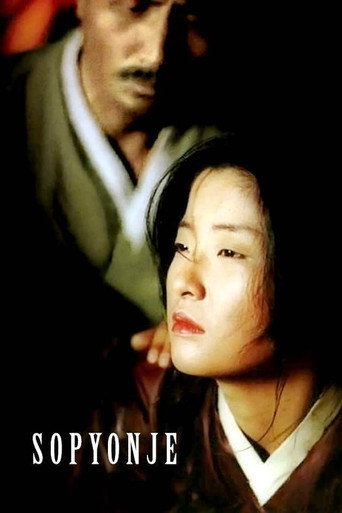
Sopyonje
The 1930s. Wishing to pass down his knowledge, the father teaches his children to sing Pansori. The elder daughter and the younger son become professional singers but time has changed and people are no longer interested in folk singing. The younger boy gives up on his studies and runs away from home. Fearful that the daughter might do the same, the father blinds her. The blind girl continues to practice with great diligence and achieves perfection in this art. Years pass, the brother is roaming the world in search of his sister and eventually finds her. All night long they sing together sharing their memories.
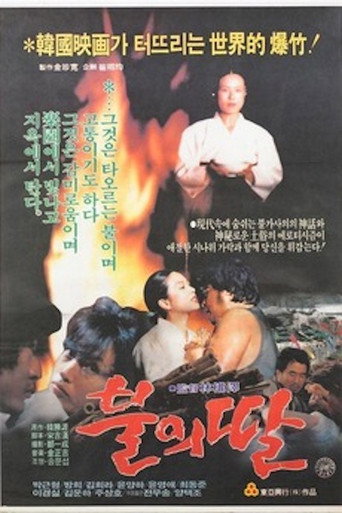
Daughter of the Flames
A man married to a Christian, but from a shamanistic upbringing, attempts to come to terms with the spirit of his mother who visits him in dreams.
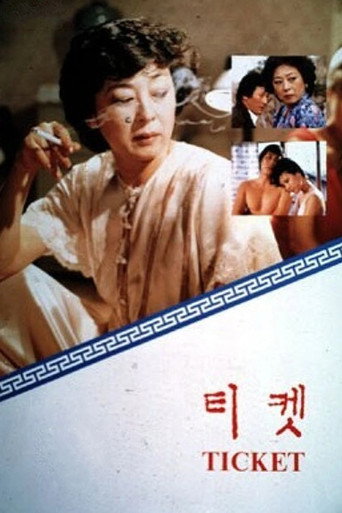
Ticket
The lives of the women working in a "café" in a South Korean port town, where customers exchange tickets for services.
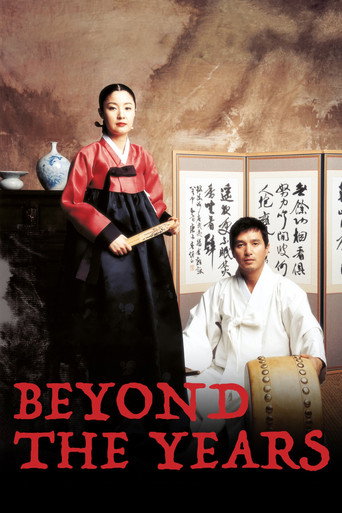
Beyond the Years
A drama centered on brother-and-sister musicians trained to perform the epic Korean poems known as pansori.
Beyond the Years
A drama centered on brother-and-sister musicians trained to perform the epic Korean poems known as pansori.
Gallery