Directing
No biography available.
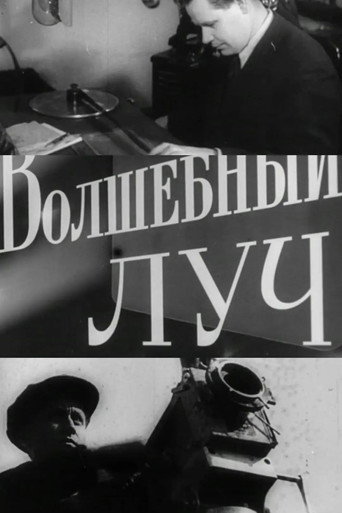
“The Magic Beam” is a film essay woven together from newsreels and documentary material from different decades, fragments of hundreds of non-fiction and fiction Soviet films of the 1910s-1960s.
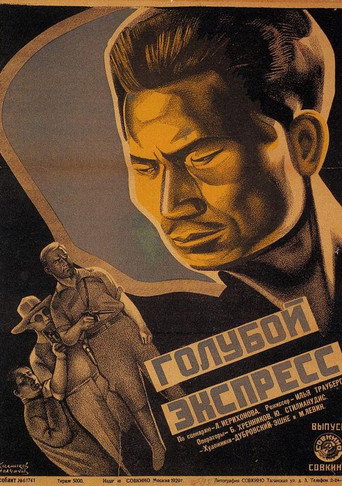
Chinese workers start a rebellion, arm themselves and take over the train on which they are travelling and manage to break through the frontier.
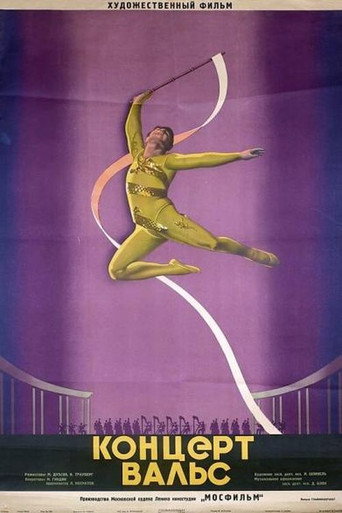
A movie concert filmed at the Mosfilm studio in 1940 with the participation of leading soloists and musical groups of the Soviet Union.
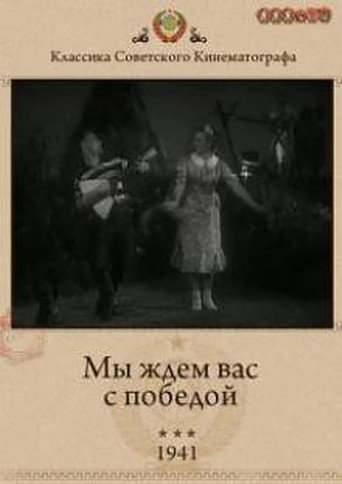
The first of what became a popular genre of wartime 'film-concerts', consisting of eight musical numbers, strung together by a loose plot. It shows soldiers leaving their village for the front; in their absence, the desolate but resolute young women of the village assume responsibility for the business of the farm
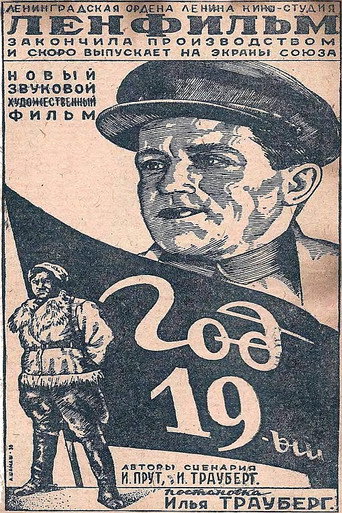
At the beginning of 1919, a serious threat loomed over Astrakhan: British aviation was striking from the air, an interventionist fleet was approaching by sea, and Kolchak and Denikin were besieging the city from the land. Under the direction of the new defense leader of the city, a group of communists secretly made their way into Baku, which had been captured by the British. Posing as oil traders, they purchased fuel and successfully delivered it to Astrakhan. The planes of the Red Army soared into the sky—and the defending troops went on the offensive...
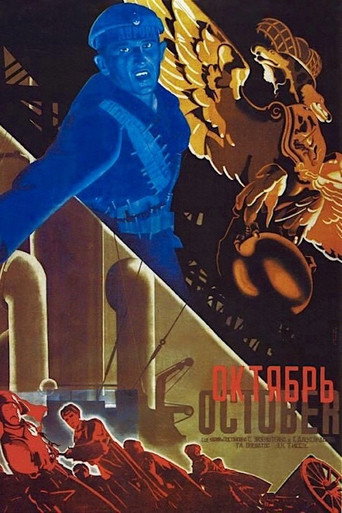
Sergei M. Eisenstein's docu-drama about the 1917 October Revolution in Russia. Made ten years after the events and edited in Eisenstein's 'Soviet Montage' style, it re-enacts in celebratory terms several key scenes from the revolution.
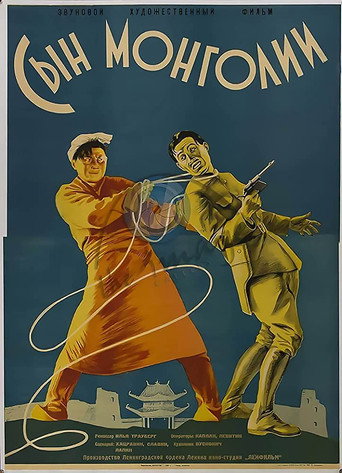
A strange film as beautifully jumbled as the political environment out of which it sprang, like a handsome weed, "Son of Mongolia" is a travelogue of unique and authentic richness, an amusing Far Eastern horse opera of picaresque character, and a scientifically valuable anthropological document in which the Soviet film industry may well take pride. Objective and modern, yet permeated with a fresh folk quality that goes back to the reckless and lovely Tartary of Genghis Khan, it rises above all its inescapable Soviet-isms into a new frontier region of plains, mountains, tents and herds, a world still appreciably beyond the range of Western cameras.
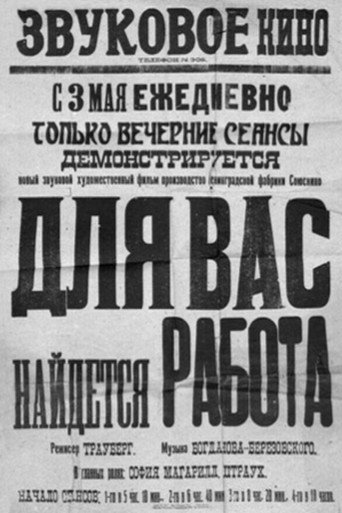
Franz Winner, a sausage factory worker from the small German town of Kleinsburg, finds himself unemployed during the industrial crisis. While accidentally visiting a Social Democratic club, Winner injures a police officer in self-defense during a police raid. He is sentenced to ten years in prison. In prison, far from politics, Winner meets political prisoners and becomes a staunch revolutionary. German communists fight hard for Winner's release. His fellow prisoners go on hunger strike. Finally, Winner is granted amnesty. On the eve of his release, he dies from the effects of the torture he endured.