Ildikó Bánsági Movies, TV Shows, and Filmography

Ildikó Bánsági
Acting
Biography
No biography available.
Filmography Movies
Acting
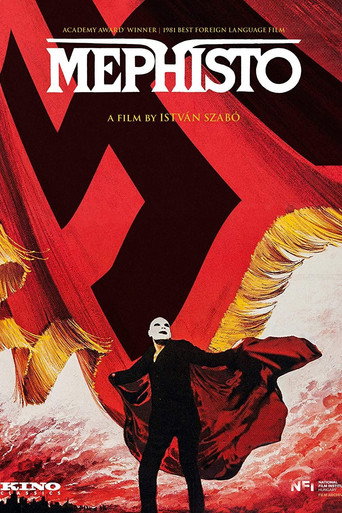
Mephisto
A German stage actor finds unexpected success and mixed blessings in the popularity of his performance in a Faustian play as the Nazis take power in pre-WWII Germany. As his associates and friends flee or are ground under by the Nazi terror, the popularity of his character supercedes his own existence until he finds that his best performance is keeping up appearances for his Nazi patrons.
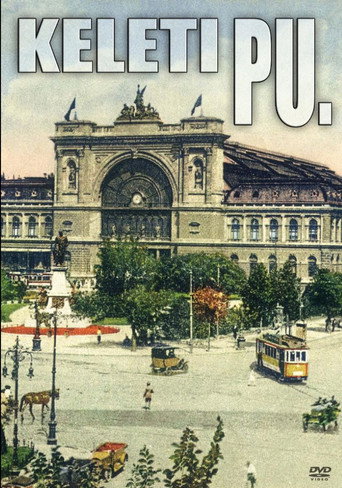

Hungarian Vagabond
A Hungarian historical movie that tells the story of the Hungarian ancestors, the seven leaders, who are looking for their new homeland in the last years of the 9th century. Before they leave their original home in Asia, they have a farewell party. They wake up with a severe hangover after consuming large quantities of kumis. The seven leaders wake up to find that their people have disappeared.
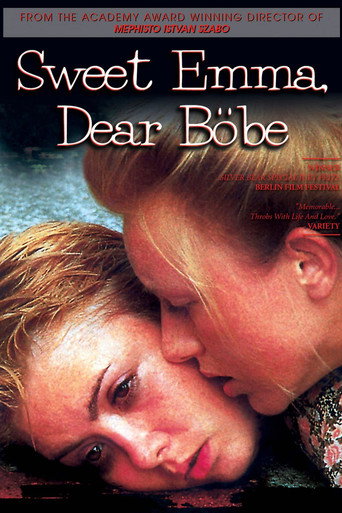
Sweet Emma, Dear Böbe
The story shows Emma's and Böbe's fight for survival, for keeping their position in society which they achieved with hard work in the previous regime. They don't want to lose their place and become village girls again.
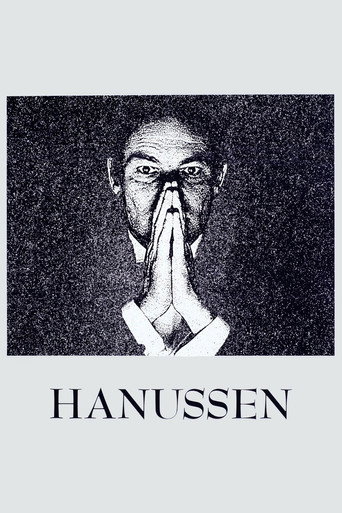
Hanussen
A man's story parallels Hitler's rise. Austrian Klaus Schneider, wounded in World War I, recovers in the care of Dr. Emil Bettleheim. Bettleheim discovers that Schneider possesses powers of empathy and of clairvoyance, such that could aid suicidal patients. After the war, with one friend as his manager and another as his lover, Schneider changes his name to Eric Jan Hanussen and goes to Berlin, as a hypnotist and clairvoyant performing in halls and theaters. He always speaks the truth, which brings him to the attention of powerful Nazis. He predicts their rise (good propaganda for them) and their violence (not so good). He's in pain and at risk. What is Hanussen's future?
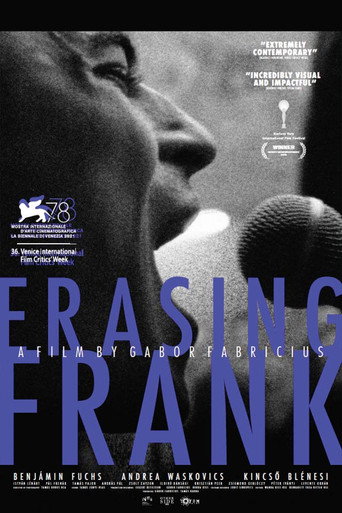
Erasing Frank
Set in 1983, behind the Iron Curtain of Eastern Europe in Budapest, the film follows Frank, the charismatic singer of a banned punk band that carries the voice of their generation against a totalitarian regime. Taken to the police psychiatric hospital in an attempt to silence him, Frank will sacrifice everything to resist.
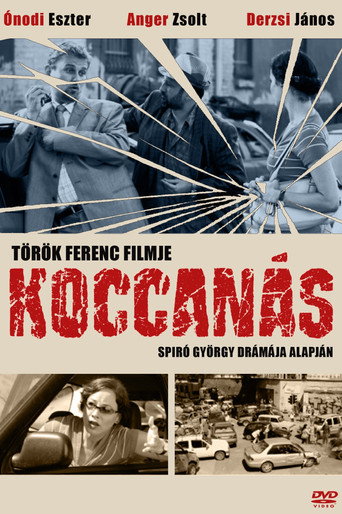
Pile-Up
After a mass-collision in the morning rush, people from different backgrounds are forced to directly interact with each other.
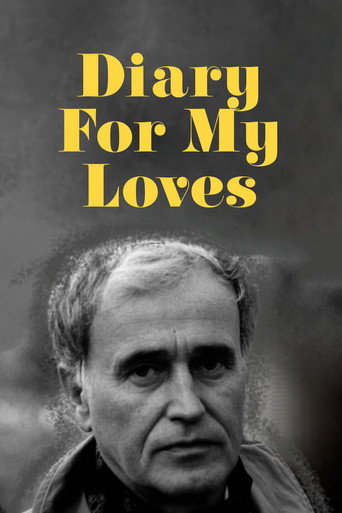
Diary for My Loves
A continuation of "Diary for My Children," the film picks up in 1950, when Juli, the diarist, is 18 and determined to become a movie director.
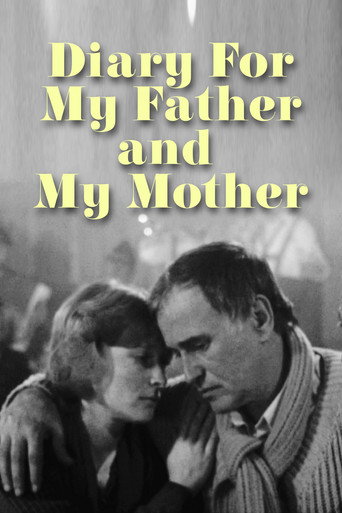
Diary for My Father and My Mother
This story follows a young student, who is orphaned as she grows to adulthood in the shadow of the 1956 Hungarian uprising. Coming from the Communist intelligentsia, she sees her friends and family react differently. Her lover, a married factory manager, supports the patriots and later assists fellow workers in staging a strike. Meanwhile her sister and others express anger at being forced from their homes during the revolution and continue to express a hatred for the rebels afterwards. But in the end they realize that for all people, real life is not possible after the revolt and its brutal suppression by the Soviets and their collaborators.
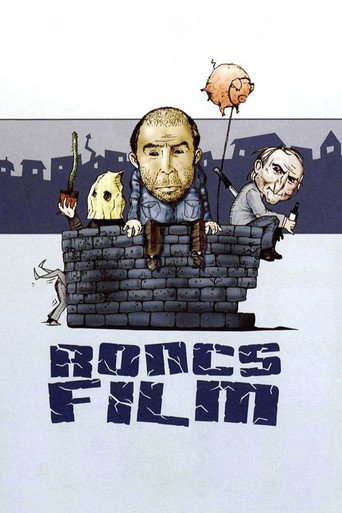
Junk Movie
It is 1989, the year of the demise of socialism in eastern Europe. Nevertheless, the one theme of Junk Movie does not refer to this historical moment of high ideals, quite the contrary, the wild, burlesque of a motif-mozaic seems merely to stick it’s tongue out at the arrogant players of politics who have their heads stuck in the clouds. The film rudely points out the mystery and unapproachability surrounding the every-day existence of politics. The scene is a greasy, falling-down block of a pub called the Gólya and its immediate surroundings.
Gallery