Igor Orozovič Movies, TV Shows, and Filmography

Igor Orozovič
Acting
Biography
No biography available.
Filmography Movies
Acting
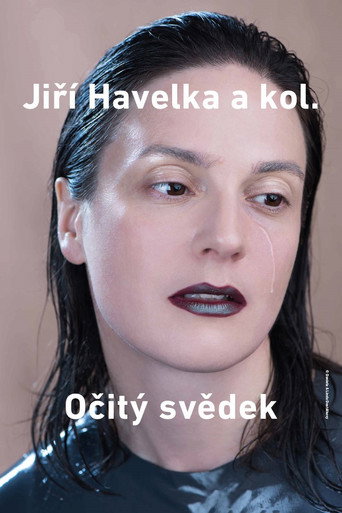
Eyewitness
"A documentary anatomy of mass murder for one monitor and 34 talking heads." These are the words the filmmakers use in the credits to describe their project, which thematises the execution of more than 260 Carpathian Germans, Hungarians and Slovaks by Czechoslovak army soldiers near Přerov in June 1945. The “massacre at Přerov” is made present through a minimalist dramatisation of the interrogation footage of direct participants, eyewitnesses, and others. It is as if the characters of ancient theatre were entering the Zoom “stage” and delivering a tragic message of fear, hatred and disinterest across the chasm of time.
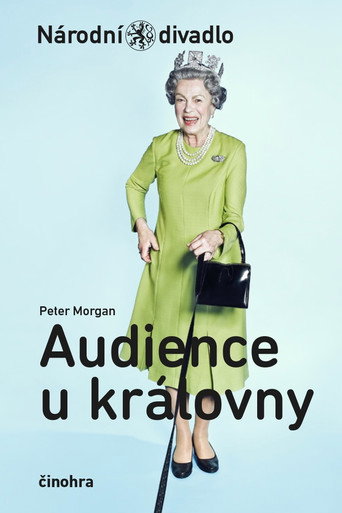

Idiot
Human kindness and purity in a corrupt world will never go out of style. This is proven by Fyodor Dostoyevsky's more than 150-year-old story "The Idiot," which continues to inspire new adaptations and resonates with contemporary audiences thanks to its timelessness.
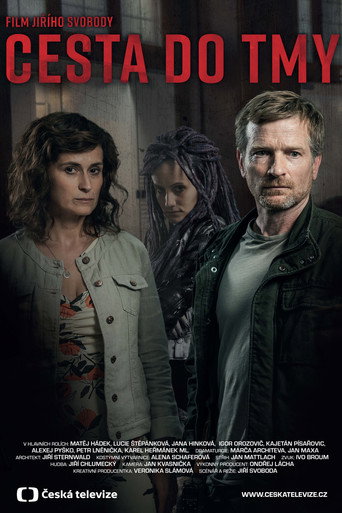
Into the Darkness
What led a former top scientist to rob a bank and hold a dozen hostages? Czech Television's crime thriller based on Martin Goffa's novel "The Little Girl" is squeezed into two environments - the interior of a robbed bank with hostages and the interior of a crisis management car, from where the police communicate with the mysterious attacker and try, like him, to play for time and find out more about him. The flashbacks also tell the story of the attacker's daughter Karin from the recent past, gradually revealing a connection with what is happening in the current storyline.
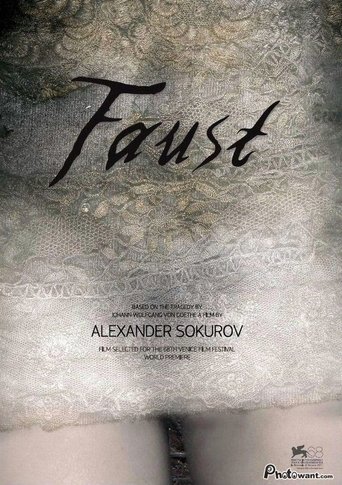
Faust
A doctor in early 19th-century Germany becomes infatuated with the sister of a man he unintentionally killed and bargains with the Devil incarnate to conjure their union in exchange for his soul.

Icing
Explosive conversational comedy based on the successful theater plays, which takes place one evening in a remote local pub, during the match of Ice Hockey World Championship. What can happen and can be told, when the kidnapped bride is getting drunk together with the best woman of her husband and experienced barmaid and the only one, who is able to stop and save everything, is not coming.
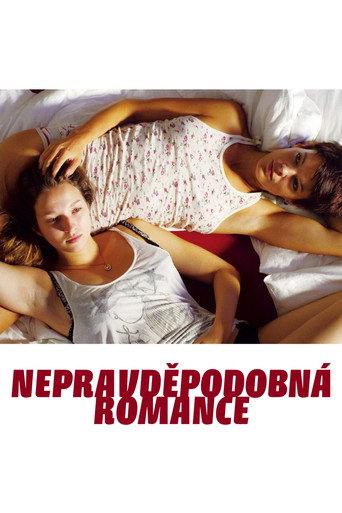
An Unlikely Romance
Luisa and Erika are prototypes of young women who plunge into relationships with the "wrong" men. Luisa wants to become an actress, which upsets her husband Igor to no end. Erika is trying to work as much as possible so that she can afford to study and thereby achieve a better outlook on life, but she unfortunately runs up against a boss who doesn't have the best intentions with her. Ultimately Luisa's husband demonstratively commits suicide. Erika accidentally kills her boss in self-defense... The women blame themselves for all these failures, and that has got to change. Both have to grow up and start living again. Perhaps even together.

Za vším hledej ženu
Three lifelong friends - Irena, who dreams of owning her own home; Marta, a pharmacist yearning to host a radio show; and Alex, who seeks a genuine relationship but becomes entangled with her charismatic, much-older boss - support one another through bold schemes to outwit romantic obstacles.
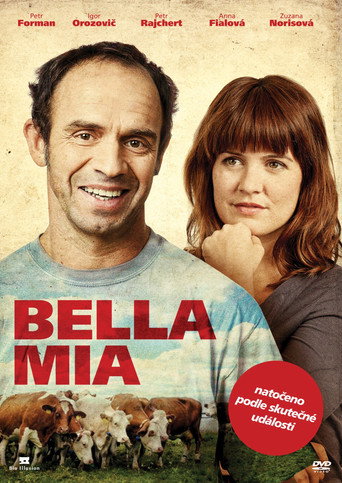
Bella Mia
Due to suspicion of BSE (mad cow disease), a herd of cows from a small farmstead is sentenced to be killed. The animals' revolt and try to escape. People try to hunt them down but the herd, led by Bella, manages to protect itself. Further failures of people increase their aggressiveness. The escalating battle has little in common with the original veterinary prevention. However, there are also people who try to help the cows, who desire nothing more than free life in the great outdoors, even if they are also forced to learn how to live and survive without anybody to feed them, milk them or fill them up with medicine. They learn all about hunger, cold, deprivation and pain. And the loss of loved ones...
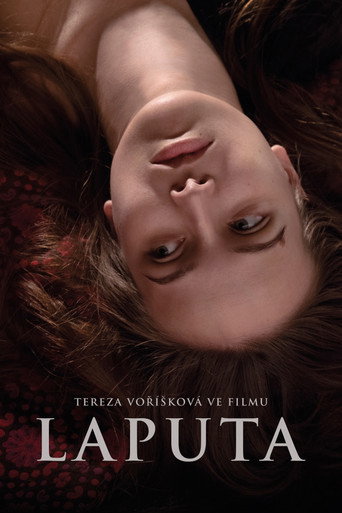
Laputa
What to do with life on an island threatened with rescue? Johanka is the owner of a café called Laputa, which—like the flying island of the same name from Gulliver's Travels—is her island. Will it be enough to make her feel complete and happy? Johanka explores what to do in the boundless space of adult life, at the beginning of which she finds herself. Her family is not very helpful, and the café guests each come with their own needs and selfishness—their characters are meant to be a reflection of their generation.
Gallery