Acting
No biography available.
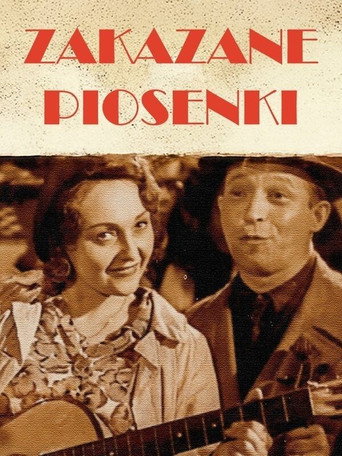
Set during the German occupation of Warsaw during WWII, this musical tells the story of several inhabitants of the same tenement house.
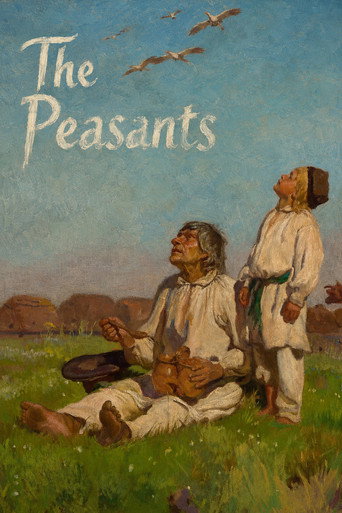
In a bucolic Polish hamlet, the tense relationship between a father and son reaches a boiling point when the men lose their hearts to the same woman and vie for her affections. Based on Wladyslaw Reymont's Nobel Prize-winning book and helmed by Jan Rybkowski, this theatrical release (starring Krzystof Chamiec, Wladyslaw Hancza and Emilia Krakowska) was culled from a 13-episode miniseries that aired on Polish television in 1972.
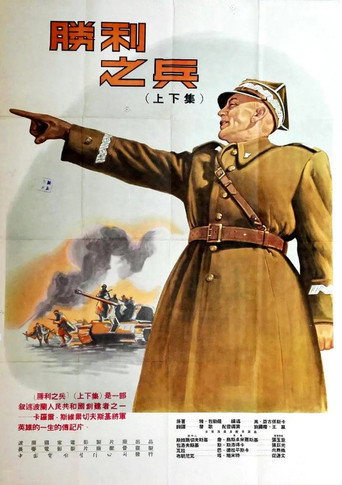
Two-part biopic about General Karol Świerczewski, living embodiment of the party line, and the group of party members from his hometown fighting the fascist forces towards the socialist state of affairs.
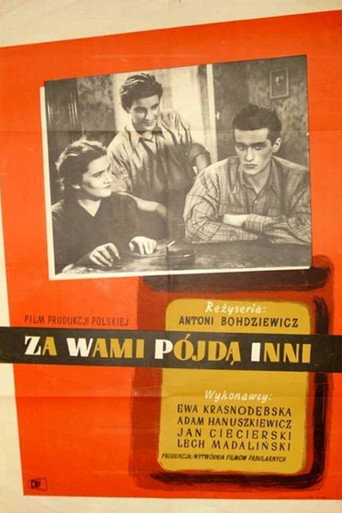
A war drama that tells the story of the discovery of the illegal AL printing works by the Nazis, showing the activities of the left-wing underground in the occupied capital.
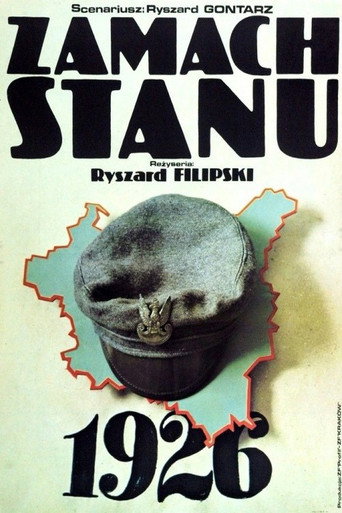
Fall 1925. Six hundred officers demonstrate in front of Józef Piłsudski’s country house in Sulejówek, demanding the Marshal’s return to active political life. May 1926—a government crisis; Wincenty Witos forms a new government. Piłsudski’s move sparks clashes between supporters and opponents of the ousted government. Piłsudski appoints Kazimierz Bartel as prime minister. The beginning of the “moral reform.” Ignacy Mościcki becomes president. Summer 1930. A joint platform of opponents to the Sanacja government is formed. “Centrolew” is established.
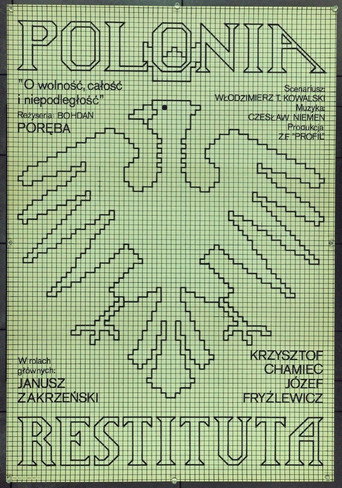
A two-part historical film covering the years of the First World War and the post-war period up to 1919 - until the signing of the peace treaty in Versailles near Paris. An attempt to show the great and complicated process of regaining an independent existence by a nation within its own state. The screen shows characters from history textbooks: Józef Piłsudski, Ignacy Paderewski, Roman Dmowski, Wojciech Korfanty as well as representatives of the world political scene, incl. David Lloyd George, Woodrow Wilson, Georges Clemenceau, Vladimir Lenin and others.
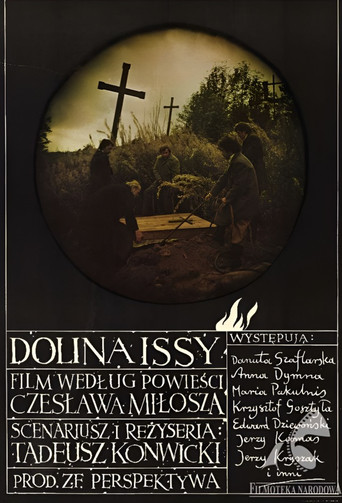
The film evokes a childhood in rural Lithuania between the wars. A country boy, Tomaszek, lives on a rich estate, situated on the Polish border. He realizes that the Issa Valley he lives in is to be torn apart by internal political conflicts and unrests among the mixed population of Poles, Lithuanians, Jews and Russians. He, however, is captivated by a paradise surrounding him, the forest, and his fantasies.
The film tells about the period of Polish history in the 20s of the last century, when the fragile government of the country fell, and a man of the people came to the fore. In fact, he turned out to be a cunning populist and an immoral politician, ready for any tricks for the sake of his goals.
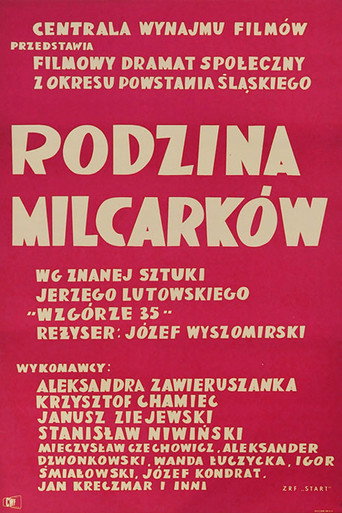
The fate of a working-class family during the third Silesian Uprising.
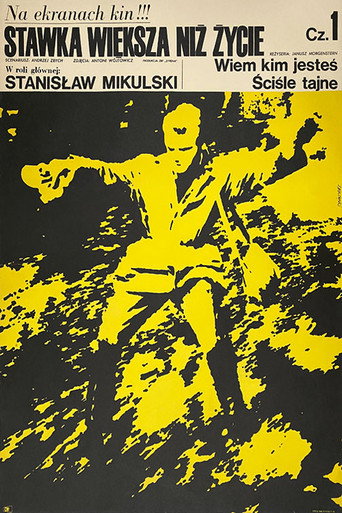
The first of six episode compilations of the TV show released theatrically, featuring episodes 1 and 3. In 1941, Polish soldier Stanisław Kolicki escapes German captivity only to be mistaken for the dashing Abwehr lieutenant Hans Kloss and recruited by the Soviets as their secret agent J-23. Under deep cover behind enemy lines, he feeds crucial intelligence to the Red Army while outwitting suspicions and dueling wits with the formidable SS officer Hermann Brunner.