Directing
No biography available.
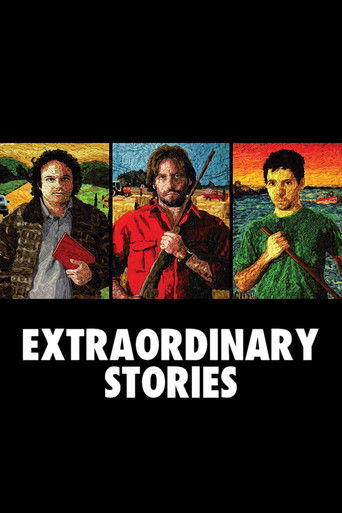
X arrives in a small town and witnesses a violent act; Z takes the job of a dead manager and discovers that he had a notebook written in code and a map; H is hired to go down a river and investigate a series of mysterious monoliths built on the shore.
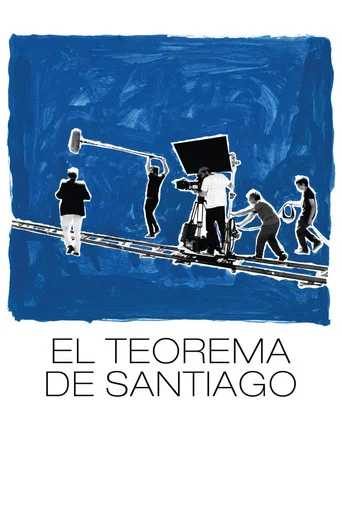
In 1969 Argentine filmmaker Hugo Santiago directed Invasión, his opera prima, written by Jorge Luis Borges and Adolfo Bioy Casares, and later settled in France. This film documents his return to Buenos Aires in 2013 to shoot his latest film, Le ciel du centaure.
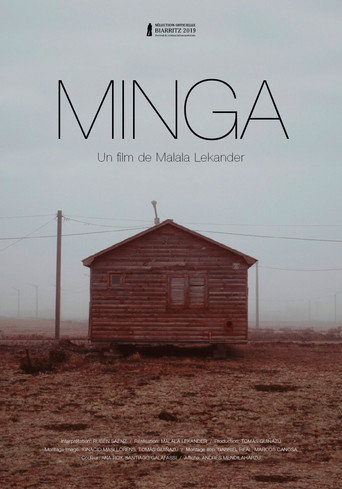
A monolith is the excuse for a journey to an obsession full of charms and, like every dream, also some disappointment.
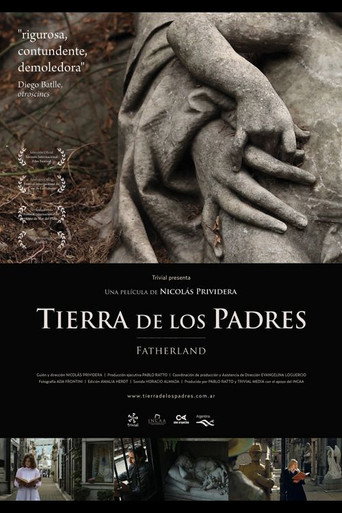
Fatherland brings a rigorous structural approach to a site of monuments that is also a place of movement, criss-crossed daily by tourists and locals. The grounds are laid out like city blocks, with wide avenues branching onto laneways filled with elaborate mausoleums. The film does not attempt to tour the cemetery as one would on foot, however, but rather moves chronologically through the history enshrined there. A series of individuals are framed in static compositions as they read aloud excerpts from the writings of noteworthy Argentines interred within. (Some license has been taken, as the final resting places of certain figures represented - such as journalist Rodolfo Walsh, who was among the "disappeared" - remain unknown. The result is both poetic and political.) Beginning in the early 1800s, this history comprises civil war, battles with the country's native population, the conflict between the city and the provinces, and years of military dictatorship.
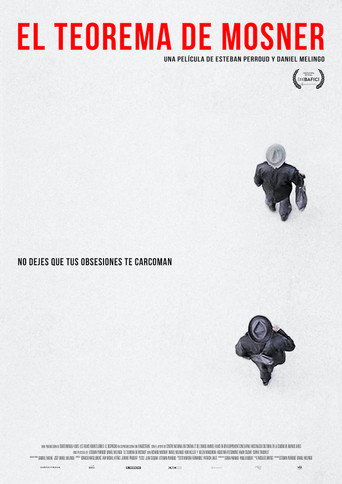
A mirror game between reality and fiction about the creative blocking of a troubled artist. Ricardo Mosner exists, but his character transcends the documentary world. We also see musician Daniel Melingo, the film’s director and co-star, transformed into a ghostly vagabond in the city. The camera captures these specters’ roaming like images of a digital canvas. There is wine, loneliness, parties and sunrises of bourgeois bohemians. The film encrypts its indomitable value in exposing how you can paint an audiovisual picture under the influence of this century’s events and variations. In the end, the film is an act of combining brushes and colors with precision in order to depict a happy reunion in exile.
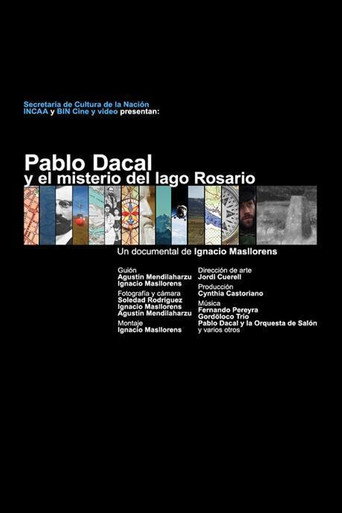
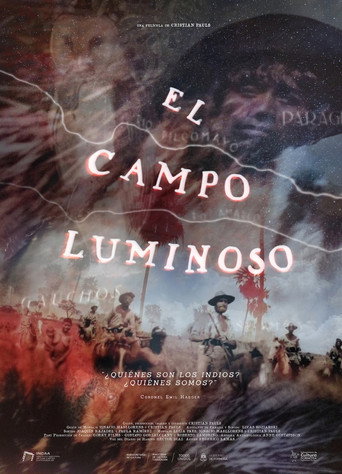
The film retraces the journey of Gustav Emil Haeger's Swedish expedition (1920). Using the route defined by "Following the Indian Trails of the Pilcomayo River," the film made by the Swedish contingent in Formosa at the time, the film contrasts that past with the present-day journey.
1997 Christmas eve, Camila get's in touch with her own desire.
From her encounter with Eva Perón to the death of the icon, from her fascination with the Peronist cause to the persecution she will suffer after the Liberating Revolution, film star Fanny Navarro remembers her life walking today in the streets of Buenos Aires.
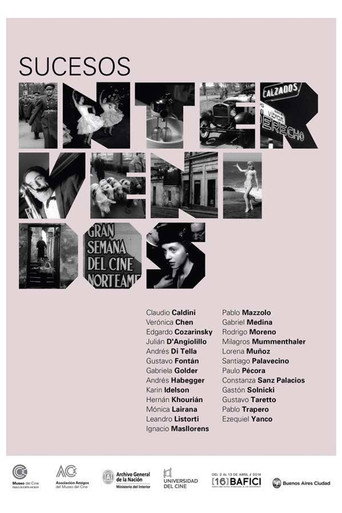
The omnibus feature SUCESOS INTERVENIDOS consists of shorts by a who’s who of Argentine documentary and experimental-film giants, including Edgardo Cozarinsky and Gustavo Fontán but also Claudio Caldini, Andrés Di Tella and Gabriela Golder. Each one of them created a piece of a few minutes in length using archival footage from SUCESOS ARGENTINOS (“Argentine Events”), a popular newsreel series from 1938 to 1972 whose episodes have recently begun to be digitized by Buenos Aires’s “Pablo C. Ducrós Hicken” Film Museum.
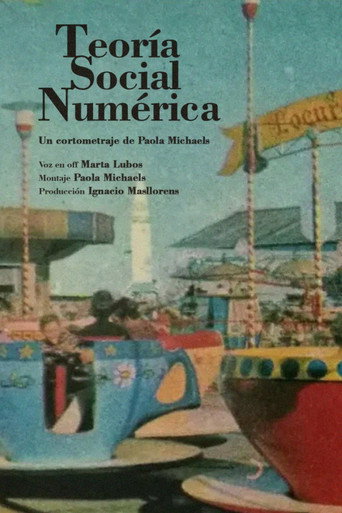
A story rescued from the memory of an old woman exposes a fascinating parallel between humans and numbers.