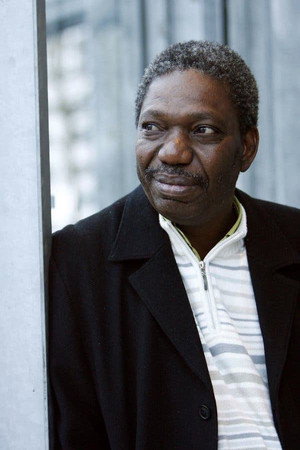
Idrissa Ouedraogo Movies, TV Shows, and Filmography
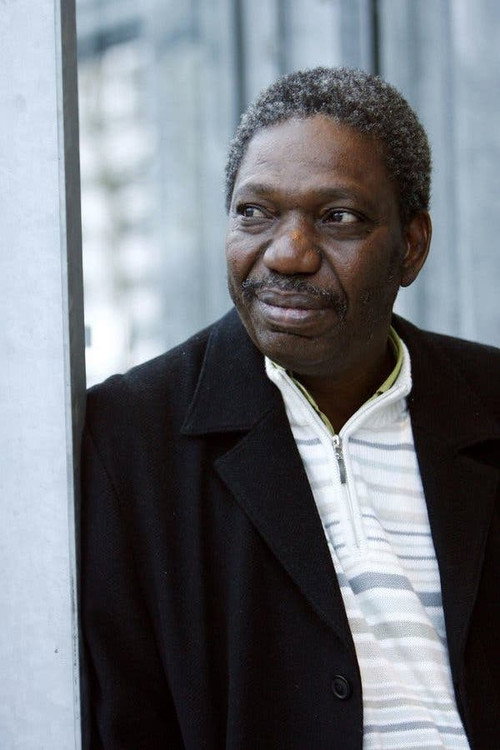
Idrissa Ouedraogo
Directing
Biography
Idrissa Ouédraogo was born in Banfora, Upper Volta (now Burkina Faso), in 1954. He grew up in the town of Ouahigouya in the northern region of his homeland, and in 1976 he was awarded a Bachelor of Arts degree. To ensure a better life his farmer parents sent him to Ouagadougou for further education, where he attended the African Institute for Cinema Studies (Institut Africain d’Etudes Cinématographiques) completing his studies in 1981 with a masters. After studying in Kiev in the USSR he moved to Paris, where he graduated from the Institut des hautes études cinématographiques (IDHEC) in 1985 with a DEA from the Sorbonne. On graduating from IAFEC in 1981, Ouédraogo set up his own independent film company, "The Future of Films", which became "Les Films de la Plaine". In 1981, before moving to Kiev, he worked for the Burkina Faso Directorate of Cinema Production (Direction de la Production Cinématographique du Burkina Faso), where he directed several short films.
Filmography Movies
Acting
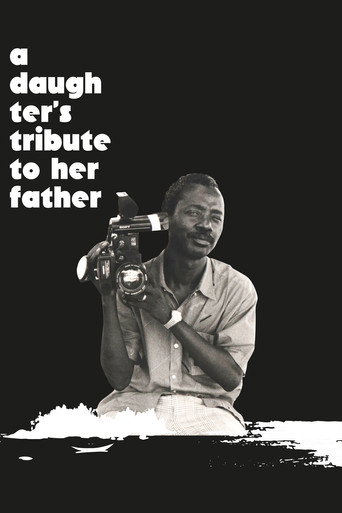
A Daughter's Tribute to Her Father: Souleymane Cissé
Fatou Cissé accompanies her father, malien director Souleymane Cissé, through a trip down his film career, painting an intimate and poetic picture of one of Africa’s most celebrated actors.

Chaplin Today: The Gold Rush
African filmmaker Idrissa Ouedraogo (YAABA) discusses the influence that Charlie Chaplin has been on his work, along with archival footage of interviews with several of Chaplin's co-stars.
The Pariahs of Cinema
Within the framework of the “Half a Century of Locarno, Thoughts on the Future” project, seven directors, Idrissa Ouedraogo among them, have the chance to express their vision of the future of the film industry by means of a short film. “The state of the film industry the world is a vast issue,” says the director from Burkina Faso. “I would rather speak about my films, about African films and their relationship with the world”.
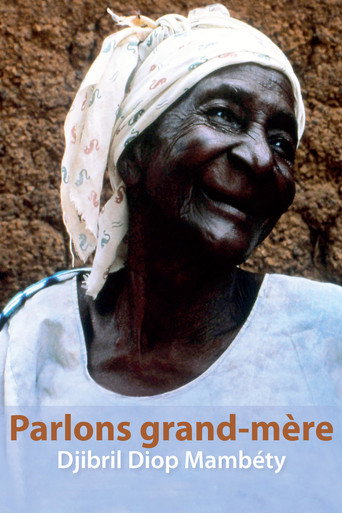
The Making of Yaaba
Djibril Diop Mambéty followed and filmed the shooting of Yaaba, Idrissa Ouédraogo's second feature film. A documentary full of humorous anecdotes regarding the dangers of shooting in Burkina Faso.
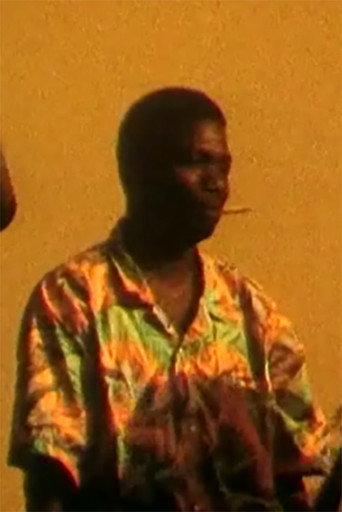
10,000 Years of Cinema
This documentary offers the reflections of filmmakers shot at FESPACO 1991. Djibril Diop Mambéty, David Achkar, Moussa Sene Absa, Mambaye Coulibaly, Idrissa Ouedraogo, Mansour Sora Wade... express their faith in the eternity of African cinema.
Production
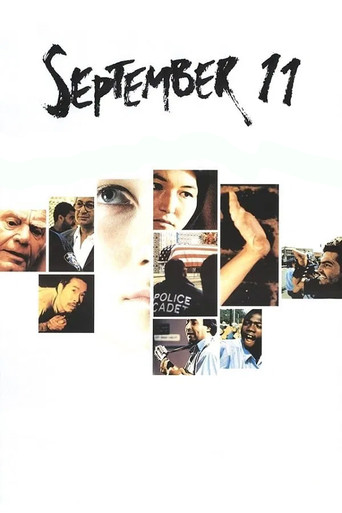
September 11
An anthology of short films inspired by the events of the September 11 World Trade Center attacks.
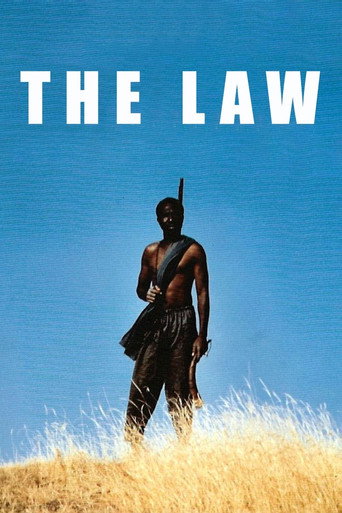
The Law
Saga returns to his village after an extended absence to discover that his father has taken Nogma, Saga's promised bride, for himself. Still in love with each other, the two begin an affair, although it would be considered incestuous.
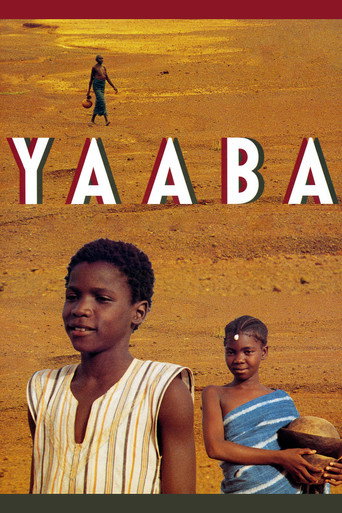
Yaaba
A small African village. The story focuses on Bila, a ten year old boy who befriends an old woman, Sana. Everybody calls her 'Witch' but Bila himself calls her 'Yaaba' (grandmother). When Bila's cousin Nopoko gets sick it is Sana's medicine that saves her.
Yaaba
A small African village. The story focuses on Bila, a ten year old boy who befriends an old woman, Sana. Everybody calls her 'Witch' but Bila himself calls her 'Yaaba' (grandmother). When Bila's cousin Nopoko gets sick it is Sana's medicine that saves her.

Kini & Adams
Kini and Adams are two friends leaving in a Zimbabwe village who dream of repairing an old broken car, and moving to the city and starting life over.
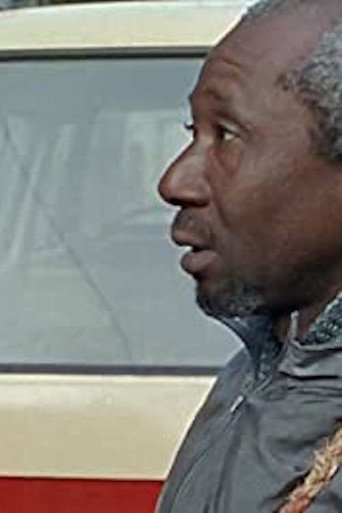
Sous la clarté de la lune
Patrick, a young Frenchman in his thirties, has been working for a year in a small village in Burkina Faso. He has a relationship for a few months with a 25-year-old village girl, Kaya, who becomes pregnant. When their daughter Martine is born, Patrick flees with her to Europe. The shock of this loss makes Kaya mute. Seven years later, Patrick returns to the village to maintain the boreholes he had built. He arrives with his daughter Martine. The villagers welcome him with reservation. Patrick learns that Kaya has gone silent. Unfortunately, not being able to stay too long in the village, Patrick entrusts Martine to Kaya for a few hours. Discovering her daughter's poor upbringing, Kaya decides to run away into the night with Martine...
Sous la clarté de la lune
Patrick, a young Frenchman in his thirties, has been working for a year in a small village in Burkina Faso. He has a relationship for a few months with a 25-year-old village girl, Kaya, who becomes pregnant. When their daughter Martine is born, Patrick flees with her to Europe. The shock of this loss makes Kaya mute. Seven years later, Patrick returns to the village to maintain the boreholes he had built. He arrives with his daughter Martine. The villagers welcome him with reservation. Patrick learns that Kaya has gone silent. Unfortunately, not being able to stay too long in the village, Patrick entrusts Martine to Kaya for a few hours. Discovering her daughter's poor upbringing, Kaya decides to run away into the night with Martine...
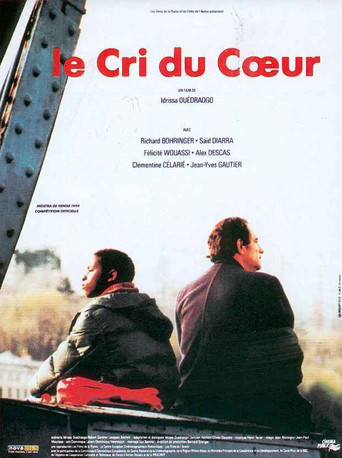
The Heart's Cry
This drama focuses upon the psychological adjustment problems of a young boy whose family moves him from Africa to Paris, France. Moctar, a boy whose first 11 years were spent in a small village in Mali, is having difficulty adjusting to his new life in Paris. After several years in Paris, Moctar suddenly sees a terrible hyena in the street. When Moctar tries to explain his vision, he becomes the laughingstock of his peers and a patient for the school psychologist. No one believes Moctar, not even his parents, until he is befriended by Paulo who helps Moctar understand.
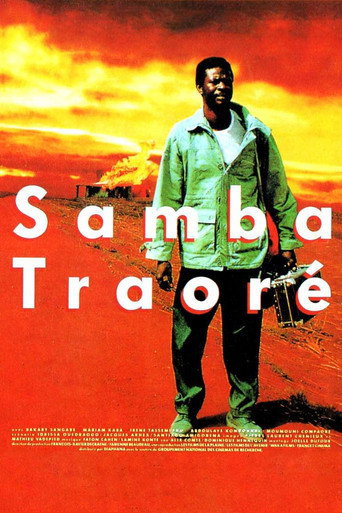
Samba Traoré
During a robbery at a petrol station in town, one of the accomplices is shot dead. The other, Samba Traoré, flees with the loot: a suitcase full of banknotes. After years away, he returns to his native village. Life has gone on as usual, and Saratou is as beautiful as he remembers her. Director Idrissa Ouedraogo paints a portrait of a man haunted by his past, trying to rebuild his life and start afresh. But past mistakes never stay buried for long.
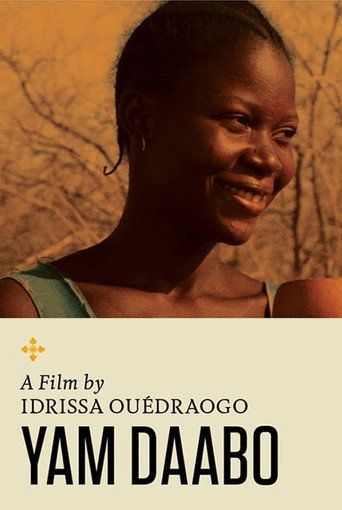
The Choice
Poverty and misery are rife in Gourga, a village in the Sahel. The inhabitants must choose: stay and await international assistance or leave for more fertile regions in the country.
Gallery