Ian Thomas Ash Movies, TV Shows, and Filmography
Ian Thomas Ash
Production
Biography
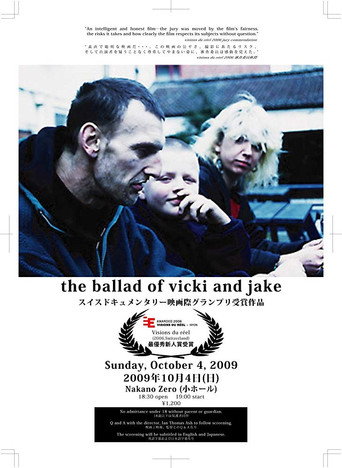
Thomas Ash received his MA in Film and Television Production from the University of Bristol. His first feature-length documentary, THE BALLAD OF VICKI AND JAKE (2006), was internationally acclaimed. Himself a US citizen, he has been living in Japan since 2004. His films have focused on issues surrounding the healthcare system, death, and illness.
Filmography Movies
Production
Ushiku
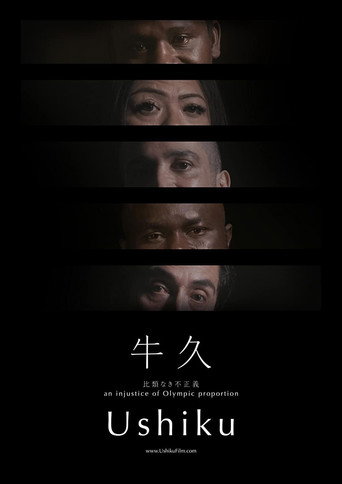
The Ushiku immigration center near Tokyo mainly holds people seeking refuge in Japan. Using a hidden camera, award-winning filmmaker Thomas Ash interviewed inmates there from late 2019. His film publicly accuses Japan’s uncompromising refugee policy through one of the country's biggest human rights scandals. Ushiku has been making international headlines for years.
Ushiku
The Ushiku immigration center near Tokyo mainly holds people seeking refuge in Japan. Using a hidden camera, award-winning filmmaker Thomas Ash interviewed inmates there from late 2019. His film publicly accuses Japan’s uncompromising refugee policy through one of the country's biggest human rights scandals. Ushiku has been making international headlines for years.
Ushiku
The Ushiku immigration center near Tokyo mainly holds people seeking refuge in Japan. Using a hidden camera, award-winning filmmaker Thomas Ash interviewed inmates there from late 2019. His film publicly accuses Japan’s uncompromising refugee policy through one of the country's biggest human rights scandals. Ushiku has been making international headlines for years.
A2-B-C
Eighteen months after the nuclear meltdown in Fukushima, children who were not evacuated are found to have thyroid cysts and nodules. What will this mean for their future?
A2-B-C
Eighteen months after the nuclear meltdown in Fukushima, children who were not evacuated are found to have thyroid cysts and nodules. What will this mean for their future?
Boys for Sale
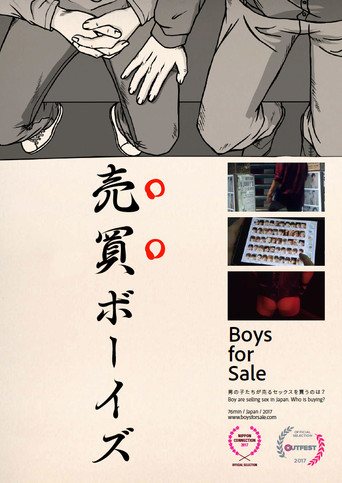
Through animation and a series of interviews with nine young men in Tokyo's gay district, this documentary exposes and humanizes the rarely seen world of gay sex work in Japan.
-1287
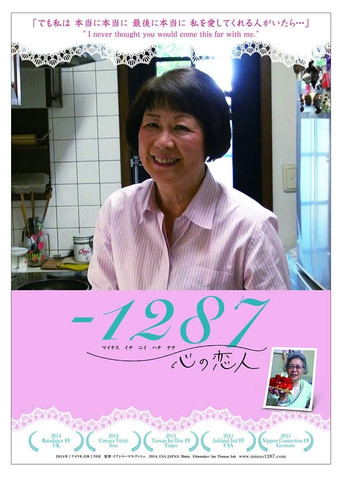
During deeply intimate conversations with the filmmaker after she learns she is going to die, Kazuko challenges cultural and social norms speaking candidly about her own life and death while she grapples with what it means to be honest and live happily. As she nears the end of her life, through observations about love, money, marriage and death, Kazuko develops a deeper intimacy both with herself and the filmmaker, while inviting the viewer to deeply consider their own life. And death.
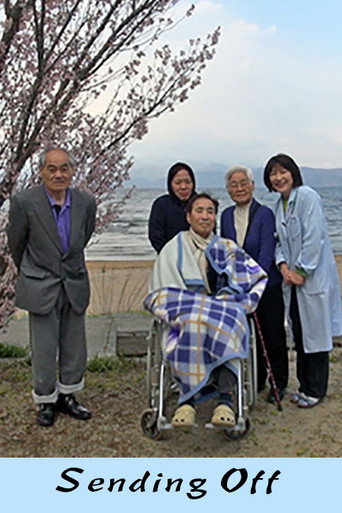
Sending Off
SENDING OFF follows the patients of Dr. Kaoru KONTA and her team of nurses as they provide hospice care to patients in their homes in rural Japan. A special focus is directed at the deepening relationships the patients form with their families as they reach the end of their lives. Sometimes difficult to watch, the film challenges us to think about how we live our own lives and how we would like to die.
Sending Off
SENDING OFF follows the patients of Dr. Kaoru KONTA and her team of nurses as they provide hospice care to patients in their homes in rural Japan. A special focus is directed at the deepening relationships the patients form with their families as they reach the end of their lives. Sometimes difficult to watch, the film challenges us to think about how we live our own lives and how we would like to die.
Sending Off
SENDING OFF follows the patients of Dr. Kaoru KONTA and her team of nurses as they provide hospice care to patients in their homes in rural Japan. A special focus is directed at the deepening relationships the patients form with their families as they reach the end of their lives. Sometimes difficult to watch, the film challenges us to think about how we live our own lives and how we would like to die.