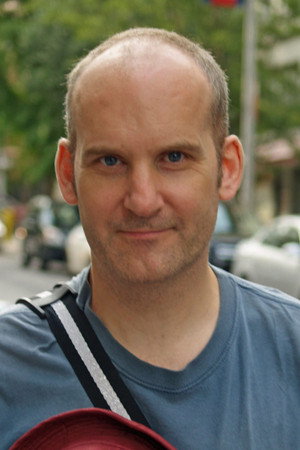
Ian MacKaye Movies, TV Shows, and Filmography
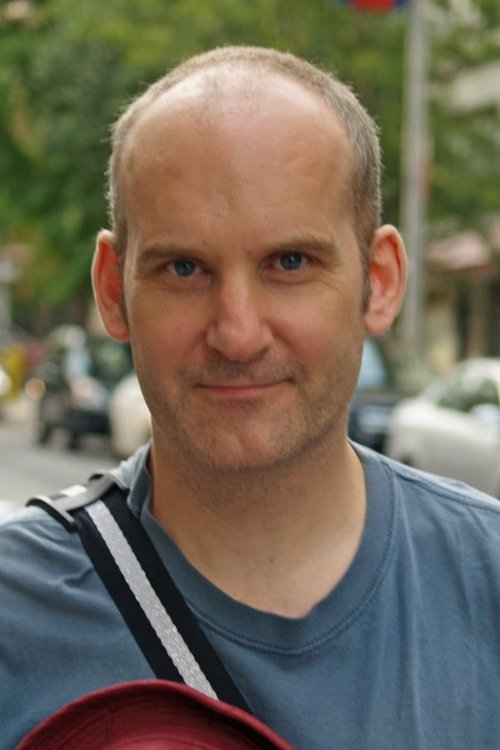
Ian MacKaye
Acting
Biography
From Wikipedia, the free encyclopedia. Ian Thomas Garner MacKaye (born April 16, 1962) is an American singer, songwriter, guitarist, musician, label owner, and producer. Active since 1979, MacKaye is best known for being the frontman of the influential hardcore punk band Minor Threat, the post-hardcore bands Embrace and Fugazi, as well as The Evens. He is a co-founder and owner of Dischord Records, a Washington, D.C.-based independent record label. A key figure in the development of hardcore punk and an enthusiastic promoter of an independent-minded, do it yourself punk ethic, MacKaye also works as a producer, and has produced releases by Q and Not U, John Frusciante, 7 Seconds, Nation of Ulysses, Bikini Kill, Rites of Spring, Dag Nasty, and Rollins Band. Along with his seminal band Minor Threat, he is credited with coining the term "straight edge" to describe an ideology that eschews drug and alcohol abuse, though MacKaye has stated many times that he did not intend to turn it into a movement. Description above from the Wikipedia article Ian MacKaye, licensed under CC-BY-SA, full list of contributors on Wikipedia.
Filmography Movies
Acting
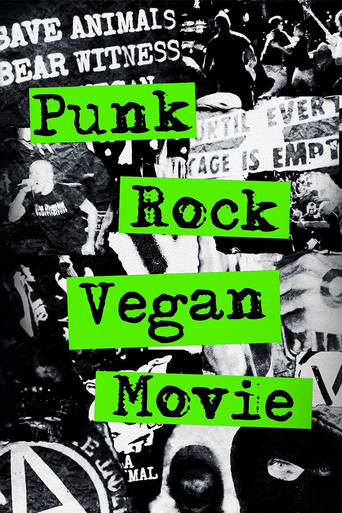
Punk Rock Vegan Movie
The ongoing relationship between the worlds of punk rock and animal rights and how the music became a breeding ground for vegan activism.
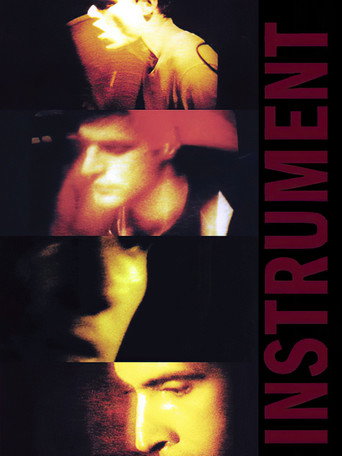
Instrument
The band Fugazi is documented over a period of more than ten years (1987-1998) through performance footage and interviews with the band and their fans. Director Jem Cohen's relationship with band member Ian MacKaye extends back to the 1970s when the two met in high school in Washington, D.C.. The film takes its title from the Fugazi song of the same name, from their 1993 album, In on the Kill Taker. Editing of the film was done by both Cohen and the members of the band over the course of five years. It was shot from 1987 through 1998 on super 8, 16mm and video and is composed mainly of footage of concerts, interviews with the band members, practices, tours and time spent in the studio recording their 1995 album, Red Medicine. The film also includes portraits of fans as well as interviews with them at various Fugazi shows around the United States throughout the years.
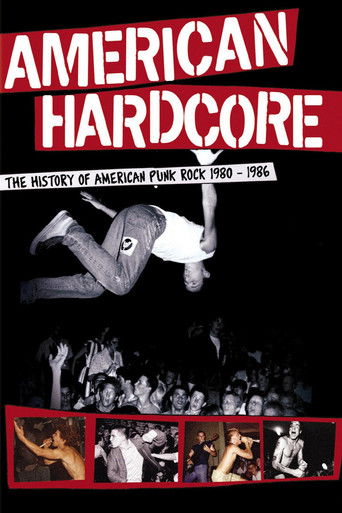
American Hardcore
Inspired by Steven Blush's book "American Hardcore: A tribal history" Paul Rachman's feature documentary debut is a chronicle of the underground hardcore punk years from 1979 to 1986. Interviews and rare live footage from artists such as Black Flag, Bad Brains, Minor Threat, SS Decontrol and the Dead Kennedys.
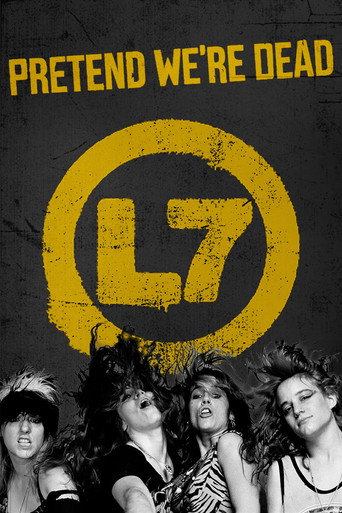
L7: Pretend We're Dead
A real time journey witnessing the rise, fall, and ultimate redemption of the fierce feminist pioneers of American grunge punk: L7.
I Need That Record!
Guerilla filmmaker Brendan Toller unleashes I NEED THAT RECORD! THE DEATH (OR POSSIBLE SURVIVAL) OF THE INDEPENDENT RECORD STORE, "an elegy for a vanishing subculture...a lively, bittersweet film that examines - with caustic humor, brutal candor, and, ultimately, great affection - why roughly 3,000 indie record stores have closed across the nation over the past decade," (Johnathan Perry, Boston Globe). A tour-de-force tale of greed, media consolidation, homogenized radio, big box stores, downloading, and technological shifts in the music industry told through candid interviews, crestfallen record store owners, startling statistics, and eye-popping animation. Fat cats or our favorite record stores? You decide. Featuring- IAN MACKAYE, NOAM CHOMSKY, MIKE WATT, THURSTON MOORE, LENNY KAYE (Patti Smith), CHRIS FRANTZ (Talking Heads), GLENN BRANCA, PATTERSON HOOD (Drive By Truckers), PAT CARNEY (Black Keys) , LEGS MCNEIL, BOB GRUEN, BP HELIUM, and many indie record stores across the U.S.
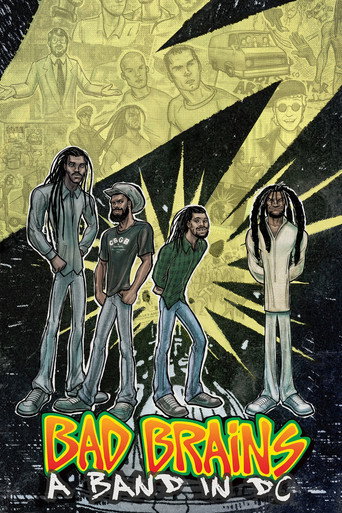
Bad Brains: A Band in DC
Bad Brains are one of the most important and influential American bands still working today. They melded punk and reggae into an innovative style that has yet to be copied. Their impact and influence can be heard in groups like Beastie Boys, No Doubt, Nirvana, Jane's Addiction and countless more. Despite the troubles of an eccentric front man they have stayed together for 30 years without ever reaching the level of success so many think they deserve. Using rare archival footage and original comic illustrations the film re-constructs Bad Brains' rich and complicated history.
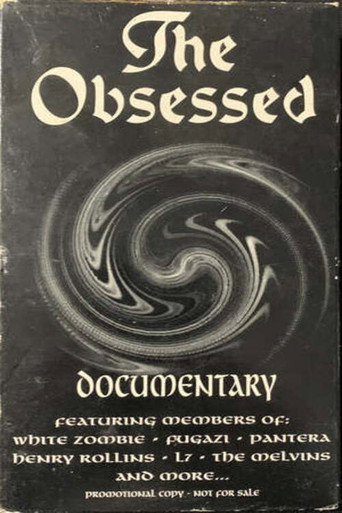
The Obsessed: The Documentary
Documentary on doom metal band The Obsessed. Featuring members of: White Zombie, Fugazi, Pantera, Henry Rollins, L7, The Melvins and more.
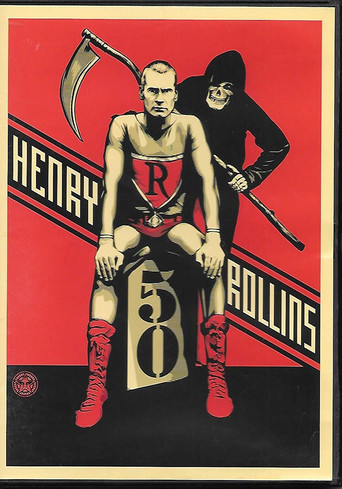
Henry Rollins 50
"The DVD is a live performance of me at the National Geographic Theater in Washington DC on February 13th, 2011, when I turned fifty. Ian MacKaye introduces me and I take it from there. It was a good night in a good theater with a fantastic audience. One of the parts I like about it is that we did some non performance footage of me going back to some of my old haunts in DC like the classic venue Madams Organ as well as a tour through my old job that I left in 1981. We are very happy to be able to bring this to all of you who were not able to go to the tour and pick it up there." -- Henry
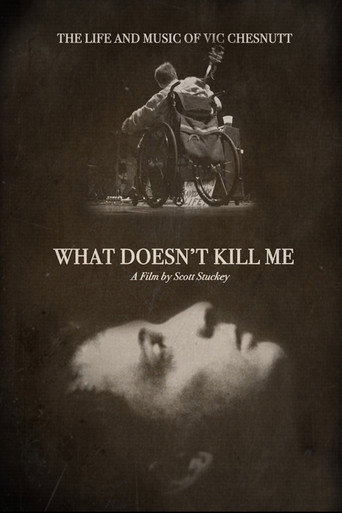
What Doesn’t Kill Me: The Life and Music of Vic Chesnutt
A documentary about the singer/songwriter Vic Chesnutt
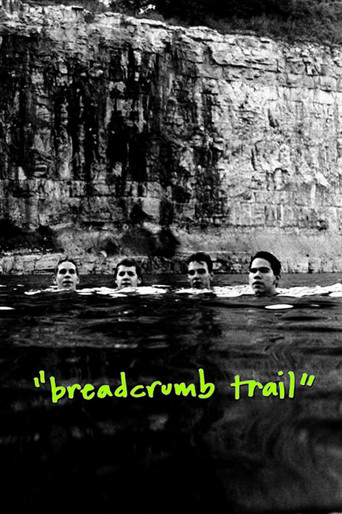
Breadcrumb Trail
Breadcrumb Trail focuses on Slint's seminal album, Spiderland, and the Louisville music scene from which the band originated.
Production
Instrument
The band Fugazi is documented over a period of more than ten years (1987-1998) through performance footage and interviews with the band and their fans. Director Jem Cohen's relationship with band member Ian MacKaye extends back to the 1970s when the two met in high school in Washington, D.C.. The film takes its title from the Fugazi song of the same name, from their 1993 album, In on the Kill Taker. Editing of the film was done by both Cohen and the members of the band over the course of five years. It was shot from 1987 through 1998 on super 8, 16mm and video and is composed mainly of footage of concerts, interviews with the band members, practices, tours and time spent in the studio recording their 1995 album, Red Medicine. The film also includes portraits of fans as well as interviews with them at various Fugazi shows around the United States throughout the years.
Black Hole Radio
Black Hole Radio is an installation that consists of taped confessions of callers of the New York City Phone Confession Line and video images. The Phone Confession Line is based on anonymous callers ringing to confess on things they had done or thought like adultery, theft, murder or regrets. Thereafter anybody could call and listen to the confessions. Although making a confession was free, listening to a confession costs money. After Cohen got his hands on the confessions, he used them as an audio heartbeat to accompany video-images of every day life in New York City he had taken over the years. This installation is a portrait of the city with its dark secrets, hushed voices and nocturnal images. In this way Cohen tries to bring across an experience to the viewer that relies on absence, waiting and the effort to hear something in the dark.
Chain
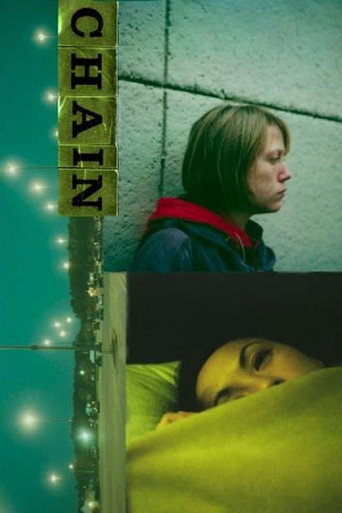
In Chain, actual malls, theme parks, hotels and corporate centers worldwide are joined into a monolithic superlandscape that shapes and circumscribes the lives of two women. One is a businesswoman researching the international theme park industry for her company. The other is a young drifter, illegally living and occasionally working in a shopping mall.
Glueman
Collaboration with Fugazi
Gallery