Ian Charleson Movies, TV Shows, and Filmography
Ian Charleson
Acting
Biography
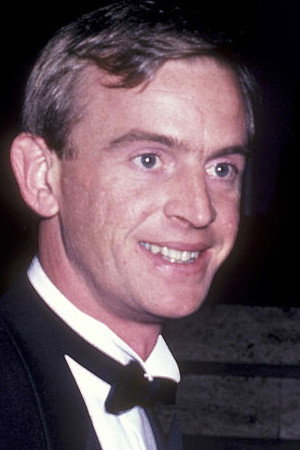
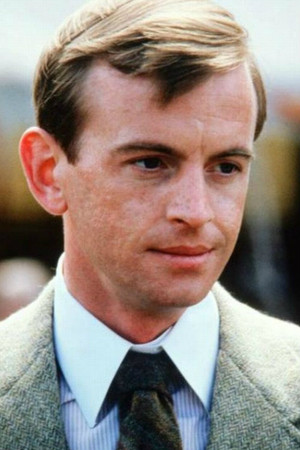
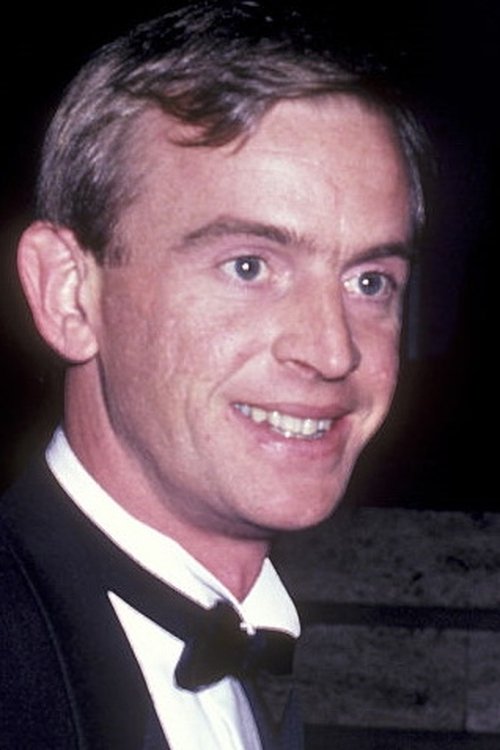
From Wikipedia, the free encyclopedia. Ian Charleson (11 August 1949 – 6 January 1990) was a Scottish stage and film actor. He is best known internationally for his starring role as Olympic athlete and missionary Eric Liddell, in the Oscar-winning 1981 film Chariots of Fire. He is also well known for his portrayal of Rev. Charlie Andrews in the 1982 Oscar-winning film Gandhi. Charleson was a noted actor on the British stage as well, with critically acclaimed leads in Guys and Dolls, Cat on a Hot Tin Roof, Fool for Love, and Hamlet, among many others. Over the course of his life Charleson performed numerous major Shakespearean roles, and the annual Ian Charleson Awards were established in his honour in 1991, to reward the best classical stage performances in Britain by actors aged under 30. The Houghton Mifflin Dictionary of Biography describes Charleson as "a leading player of charm and power" and "one of the finest British actors of his generation." Alan Bates wrote that Charleson was "definitely among the top ten actors of his age group." Ian McKellen said Charleson was "the most unmannered and unactorish of actors: always truthful, always honest." Charleson was diagnosed with HIV in 1986, and died in 1990 at the age of 40. He requested that it be announced after his death that he had died of AIDS, in order to publicize the condition. This was the first show-business death in the United Kingdom openly attributed to AIDS, and helped to promote awareness of the disease. Description above from the Wikipedia article Ian Charleson, licensed under CC-BY-SA, full list of contributors on Wikipedia.
Filmography Movies
Acting
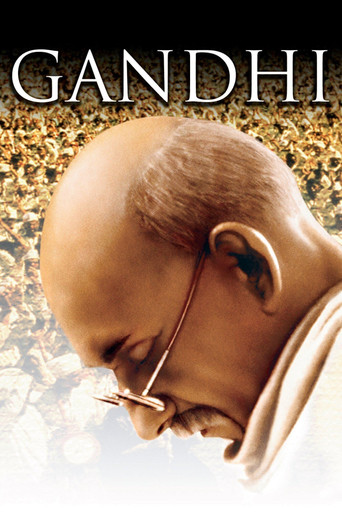
Gandhi
In the early years of the 20th century, Mohandas K. Gandhi, a British-trained lawyer, forsakes all worldly possessions to take up the cause of Indian independence. Faced with armed resistance from the British government, Gandhi adopts a policy of 'passive resistance', endeavouring to win freedom for his people without resorting to bloodshed.
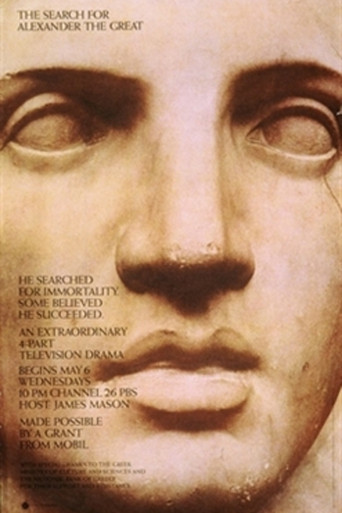
The Search for Alexander the Great
Friends, contemporaries and even enemies of Alexander the Great gather in a tent to tell his tale through their eyes.

Chariots of Fire
In the class-obsessed and religiously divided UK of the early 1920s, two determined young runners train for the 1924 Paris Olympics. Eric Liddell, a devout Christian born to Scottish missionaries in China, sees running as part of his worship of God's glory and refuses to train or compete on the Sabbath. Harold Abrahams overcomes anti-Semitism and class bias, but neglects his beloved sweetheart in his single-minded quest.

Jubilee
Queen Elizabeth I visits late 1970s England to find a depressing landscape where life has changed since her time.
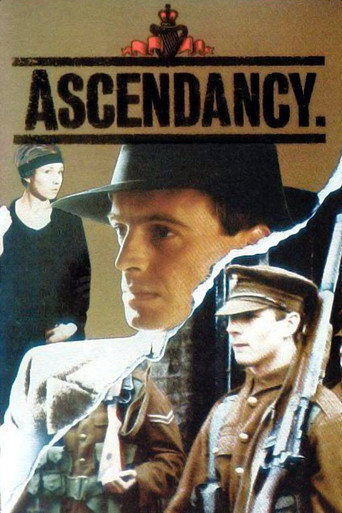
Ascendancy
Ascendancy is a 1983 British film. It tells the story of a woman who is a member of the British landowning 'Ascendancy' in Ireland during World War I. Gradually, she learns about the Irish independence movement, and becomes involved with it.
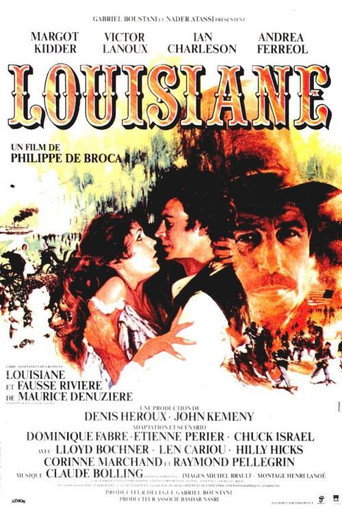
Louisiana
Virginia Tregan returns to her home in the U.S. Deep South from a sojourn in Paris only to discover that her family plantation and its holdings have been lost. She determines to recoup her family's fortune.
The Paradise Run
Johnny has joined the army because he likes canoeing, but ends up in a war-torn city and is compromised into helping the enemy. However, desertion will not be a solution, and he finds himself more distressed than ever.
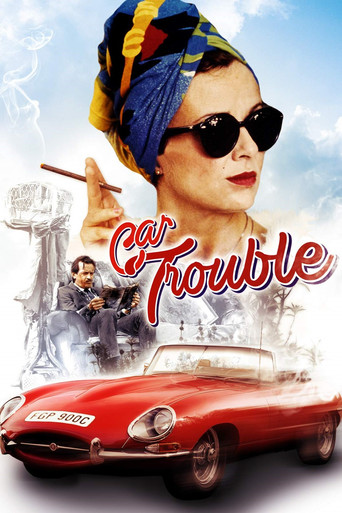
Car Trouble
In the throes of a midlife crisis, a man buys a new Jaguar, and it immediately becomes his new love. What he doesn't know is that his wife is as attracted to the Jaguar salesman as he is to the car.
Something's Got to Give
Arthur is a confirmed bachelor. But when he meets Ann Mitchell his fixed attitudes are severely challenged.
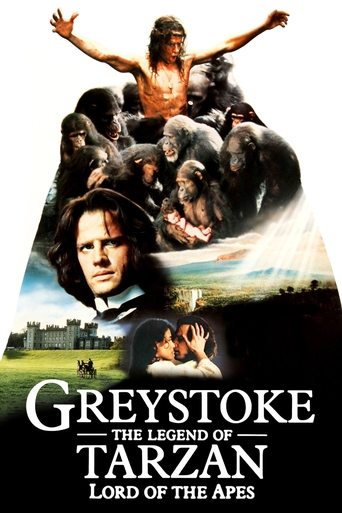
Greystoke: The Legend of Tarzan, Lord of the Apes
A shipping disaster in the 19th Century has stranded a man and woman in the wilds of Africa. The lady is pregnant, and gives birth to a son in their tree house. Soon after, a family of apes stumble across the house and in the ensuing panic, both parents are killed. A female ape takes the tiny boy as a replacement for her own dead infant, and raises him as her son. Twenty years later, Captain Phillippe D'Arnot discovers the man who thinks he is an ape. Evidence in the tree house leads him to believe that he is the direct descendant of the Earl of Greystoke, and thus takes it upon himself to return the man to civilization.
Gallery