Acting
No biography available.
The COVID-19 pandemic kept dancers from the Paris Opera away from their rehearsal studios and the stage for many months.
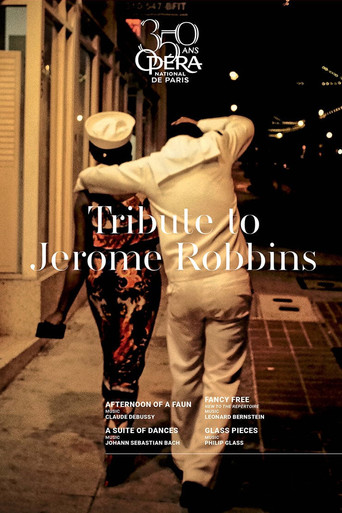
Jerome Robbins considered the Paris Opera Ballet as his second home after the New York City Ballet. This production in his honour brings together works displaying the infinite diversity of his sources of inspiration and his genius on stage. Be it in the energy of the large-scale Glass Pieces or the intimate sweetness of Afternoon of a Faun and A Suite of Dances, there emerges that rare capacity to make bodies follow the flow in a living comprehension of music. As the celebrated ballet Fancy Free, a veritable theatrical portrait of an era, enters the repertoire, Robbins reveals another facet of his talent.
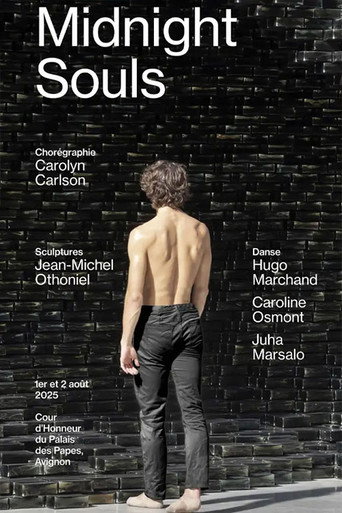
In the main courtyard of the Palais des Papes, dancers Hugo Marchand and Caroline Osmont perform among Jean-Michel Othoniel's works, choreographed by Carolyn Carlson. A powerful show, accompanied by music by Philip Glass and René Aubry.
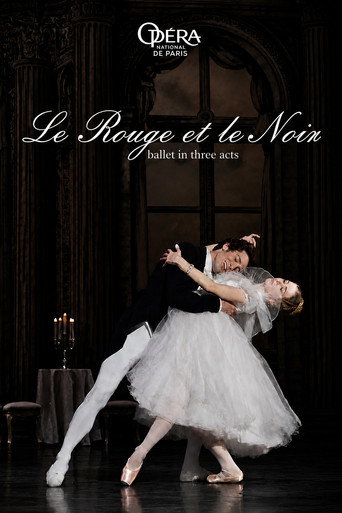
In Restoration-era France, the ambitious Julien Sorel rises through society thanks to his intelligence, charm, and determination. Torn between Madame de Rênal and Mathilde de La Mole, he becomes entangled in passionate affairs, political intrigue, and religious conflict that ultimately shape his tragic fate. Inspired by Stendhal's classic novel, Pierre Lacotte transforms Le Rouge et le Noir into a grand three-act ballet set to an anthology of music by Jules Massenet.
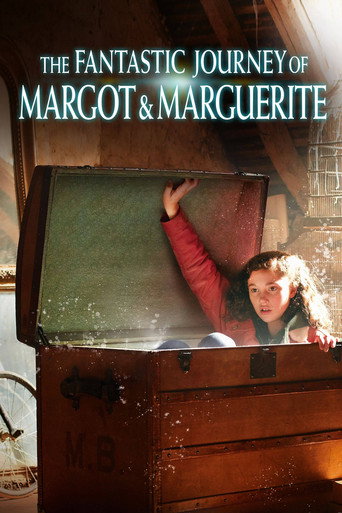
Margot and Marguerite are 12-year-old girls who seem no different from any other youngsters with the usual family and peer problems. While they appear to have similar faces and body shapes, they wear different clothes and hairstyles, but the biggest difference between them is that one lives in 1942 and the other in 2020. When the girls crawled into a wooden chest they were magically sent into each other’s timeline, and because the girls look so similar their family and friends do not notice the swap.
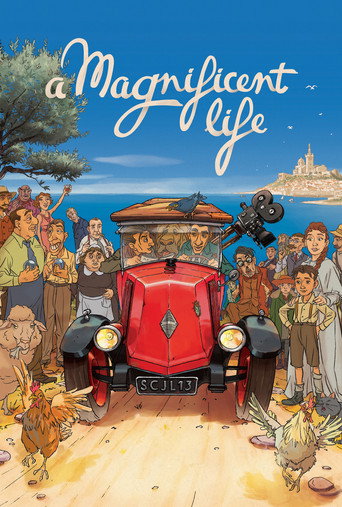
In 1955, 60-year-old Marcel Pagnol is a well-known and acclaimed playwright and filmmaker. When the editor-in-chief of ELLE magazine commissions a weekly column about Pagnol's childhood, he sees this as a great opportunity to go back to his artistic roots: writing. Realizing his memory is failing him and deeply affected by the disappointing results of his last two plays, Pagnol starts doubting his ability to pursue his work. That is until Little Marcel - the young boy he used to be - appears to him as if by magic. Together, they will explore Marcel Pagnol's incredible life and bring back to life his most cherished encounters and memories...