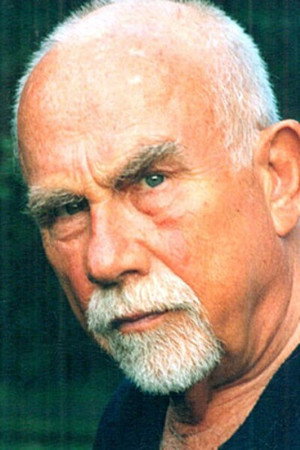
Hubert Hoelzke Movies, TV Shows, and Filmography
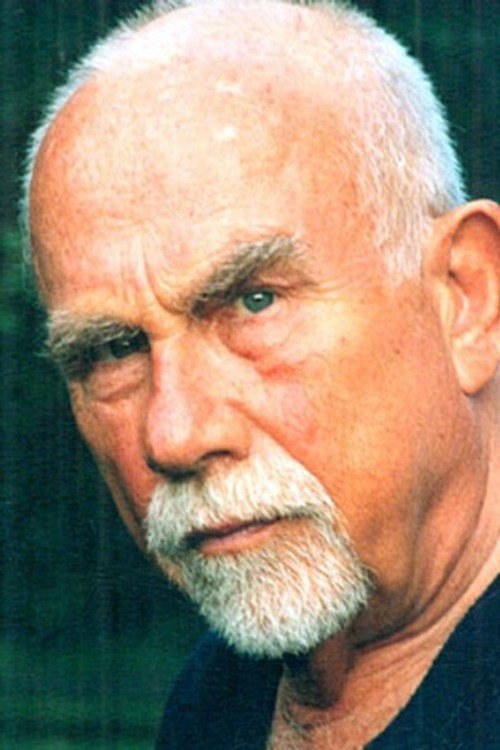
Hubert Hoelzke
Directing
Biography
No biography available.
Filmography Movies
Acting

Schulmeister Spitzbart
1831. A village schoolteacher Matthias Spitzbart dreams of the ideal school and writes a textbook on the perfect educational institution. When he becomes principal of a grammar school by chance, he puts his ideas into practice. His almost missionary-like zeal blossoms in wondrous ways, but his family idyll is deceptive. Entangled in his activities, Spitzbart fails to see his wife's affair with pro-rector Mehlmann, daughter Friederike flirts with the trainee teacher, and son Michael's misdeeds are enough to make a mockery of his efforts at exemplary behavior. Teachers, parents and the mayor are of the opinion that he has upset everything that worked before: he is dismissed...
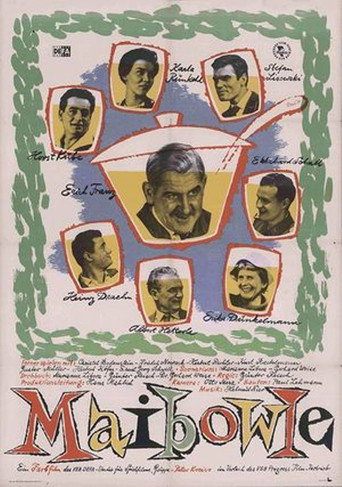
The Punch Bowl
It is the 65th birthday of Wilhelm Lehmann, foreman of a chemical company. All members of the large family are expected. Preparations are also being made in the company: Wilhelm is to be awarded the »Labor banner« and, as every year, the sons are responsible for the may bowl. But instead of family members, telegrams with rejections flutter into the house.

Spinnefix
"Je oller, je doller", say the roommates of pensioner Otto Panke, because they often see him together with the young Manuela, who likes to invent "dream jobs" for her life and dreams of an "exclusive life". But for Otto, the noticeable sympathy for the pretty, quite professional woman is simply "soul kinship". And since both have an extremely large degree of imagination, they are special, extraordinary - to a certain extent "spider fix"! The problem of the two is that they often get into tricky situations that threaten to get messy and they get a lot of problems. But as is the case with good stories: in the end, everything aims at a happy happy end...
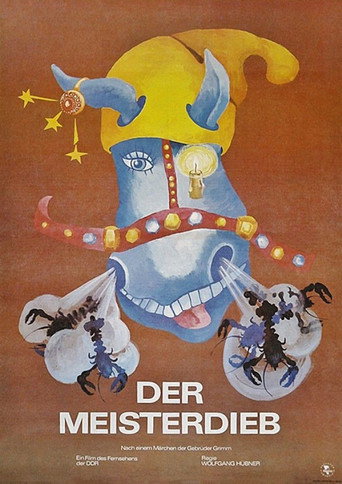
The Master Thief
A master thief returns home. There he is threatened with the gallows if he fails to solve the tasks set by the count. So he has to steal the count's personal horse, the bed sheet and the wedding ring as well as the priest and the sexton.

New Year’s Eve Punch
After their successful May party, now the Lehmann family want to throw a New Year's Eve part with punch. Wilhelm's sons Franz and Paul are brigade leaders at a chemical factory. One of their brigades consists largely of fanatics of high culture, while the other consists of sports fanatics. But the rival brigades must work together in order to throw a successful New Year's Eve party for the factory, since the occasion requires both elements: sports and culture.
Kawulke contra Meyer
A heated argument has broken out between two parties in a block of flats in Berlin. The families in question, the Kawulkes and the Meyers, clashed over a garbage can. In addition, all the tenants in the building are annoyed by the eternal puddle in front of the front door. But things get even more heated when a "house community" is formed. The story gets its special flair as a rendezvous of typical Berliners, equipped with a certain brashness and with heart and humor.
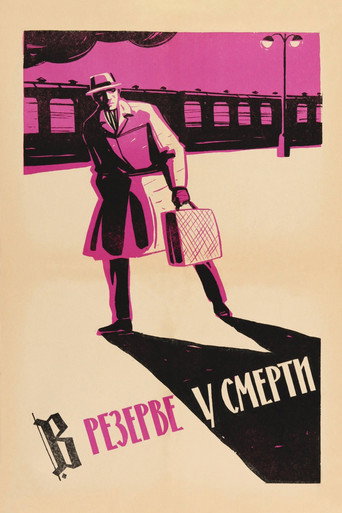
Reserved for the Death
Former East German engineer Erich Becker had been lured to West Germany by promises of a high reward. Now residing in Stockholm, he is recalled to serve as a spy in the East. He is to convince Dr. Jadenburg to flee from the GDR with the help of his daughter Hanna, who works for the West. While travelling on the train with Hanna, he is told that he is also to murder another agent who betrayed and now works for the Stasi. The traitor is revealed to be a former friend of Becker, Harry Korb.

Im Himmel ist doch Jahrmarkt
Five young, pretty female athletes are training for an international skydiving contest. From heaven they basically fall straight into the arms of five charming young men. Their coach is less than thrilled about the flirtation and urges his athletes to concentrate on the contest. He is convinced that love-making will put the victory to risk and asks them for sexual abstinence. The power of love turns out to be stronger, however, and soon the first love couples find each other.
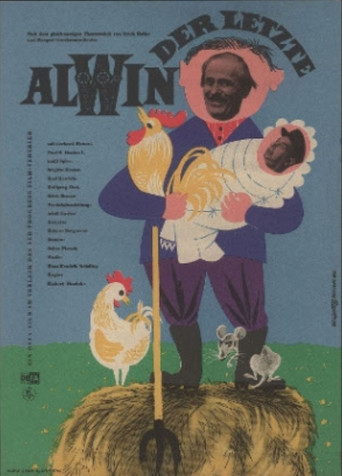
Alwin der Letzte
Alwin Schmieder, his brother August and friend Otto were the only ones in the village to refuse to join the LPG. They continue to toil on their own, and everything in the Schmieder household has gone haywire since Alwin became a widower. At least he needs a wife, but he doesn't like the applicants for Alwin's marriage advertisements. He rejects Barbara, his son Karl's girlfriend, without knowing her - because she is from the city. But suddenly there is movement in the Schmieders' lives. August wants to marry the agronomist Karoline and move in with her in the neighboring village. Barbara, who sneaks into the house on a pretext, wins Alwin's sympathy and he asks Karl to marry her. When it turns out that the young people have set him up, he is furious. And last but not least, Otto joins the LPG. Alwin is the last to see the light.
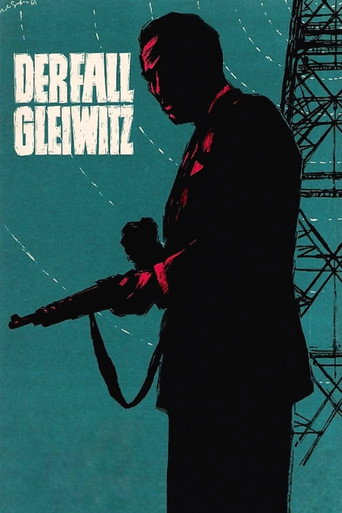
The Gleiwitz Case
To justify their invasion of Poland at the start of WWII, Nazi high command hatches a secret plan: six Polish men from an SS training camp are sent on a special mission to the town of Gleiwitz, to fake a Polish raid on Germany. The ‘provoked’ Germans will thus launch a ‘counterattack’ on Poland.
Production
Eine Chance für Manuela
Dr. Zacharias is an experienced and demanding woman. She sees her daughter Manuela as the continuation and fulfillment of her own life. She wants her daughter to achieve as much or more than her, and under the easier conditions of the present time. But Manuela does not seem to be the type who can fulfill this aspiration, as she is superficial and stubborn. Manuela is even expelled from the university for cheating. But even now she seems unwilling to recognize her mistakes and turn her life around.

Die Seefee
Ulf would do anything to win Biggi's heart. Because he wants to impress her, he decides to join the sailing club. Despite the mockery of his friends, he is not dissuaded from his plan and spares no effort to make an impression on his beloved. But she only gives him the cold shoulder, whereupon he manipulates her boat. As a result, Biggi ends up in last place in an important regatta race. Both are threatened with expulsion, which is why they have to pull themselves together.
Die Seefee
Ulf would do anything to win Biggi's heart. Because he wants to impress her, he decides to join the sailing club. Despite the mockery of his friends, he is not dissuaded from his plan and spares no effort to make an impression on his beloved. But she only gives him the cold shoulder, whereupon he manipulates her boat. As a result, Biggi ends up in last place in an important regatta race. Both are threatened with expulsion, which is why they have to pull themselves together.
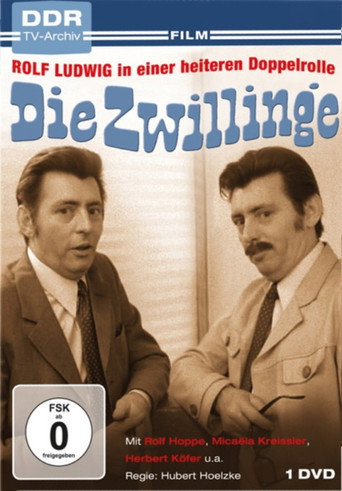
Die Zwillinge
When twin brothers Georg and Steffen look a little too deeply into their glasses one day, they decide to swap roles for 14 days. Georg is the manager of a large department store and Steffen is a writer. The two experience bizarre situations: The department store director is adored by a saleswoman with a passion for literature and has to report on his literary work as the guest of honor at a brigade meeting. He is also short of ideas for the lively stories he is supposed to write. The writer, on the other hand, is not very familiar with the bureaucratic customs of running a department store. He allows all the sales assistants to take their housekeeping day at once, approves 3,000 marks for decoration purposes and approves of all departments of the department store being open until 8pm.
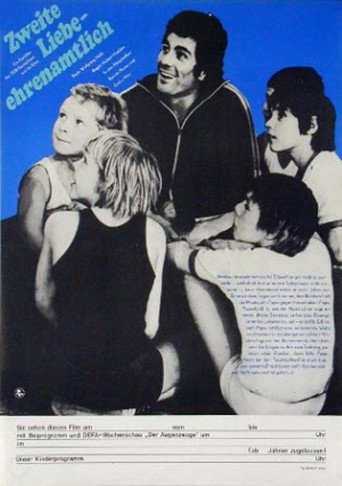
Second Love - Volunteer
A mechanic, Peter Papenbold, is giving all his free time to volunteer in the children's sport school. When he's asked to switch to teaching permanently - it's a very difficult decision for him.
Second Love - Volunteer
A mechanic, Peter Papenbold, is giving all his free time to volunteer in the children's sport school. When he's asked to switch to teaching permanently - it's a very difficult decision for him.

Maria und der Paragraph
Maria is a record saleswoman by profession. She is lucky to have a job, because the year is 1930 and a major economic crisis has hit the world, accompanied by an army of unemployed people, especially in Germany. Maria is aware of her good fortune; in order to secure it, she has to do without many things. What business owner would employ an unmarried woman with a child in times like these? When Maria became pregnant, she, like many other women, had to become "active" and do something about this "misfortune". So she seeks "help" from a female doctor, trusting in her youth and hoping for better times when family happiness could come true for her.
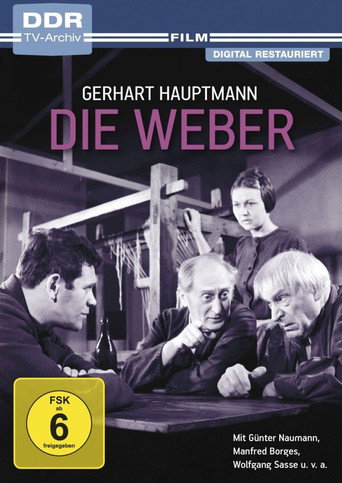
Die Weber
The emaciated weavers deliver their homework to the factory owner Dreißiger and receive their wages, on which they cannot live and cannot die. Driven by hunger, they ask for more money, but to no avail. Only the young baker and the reservist Jäger put up a fight, and both manage to encourage a large group of weavers to revolt against the factory owner. They break into his house and destroy it, whereupon he flees. The revolt continues, the weavers move through the surrounding villages, where more people join them. A little later, the military arrives to intervene against the angry crowd and restore the old order...
Spinnefix
"Je oller, je doller", say the roommates of pensioner Otto Panke, because they often see him together with the young Manuela, who likes to invent "dream jobs" for her life and dreams of an "exclusive life". But for Otto, the noticeable sympathy for the pretty, quite professional woman is simply "soul kinship". And since both have an extremely large degree of imagination, they are special, extraordinary - to a certain extent "spider fix"! The problem of the two is that they often get into tricky situations that threaten to get messy and they get a lot of problems. But as is the case with good stories: in the end, everything aims at a happy happy end...
Gallery