Art
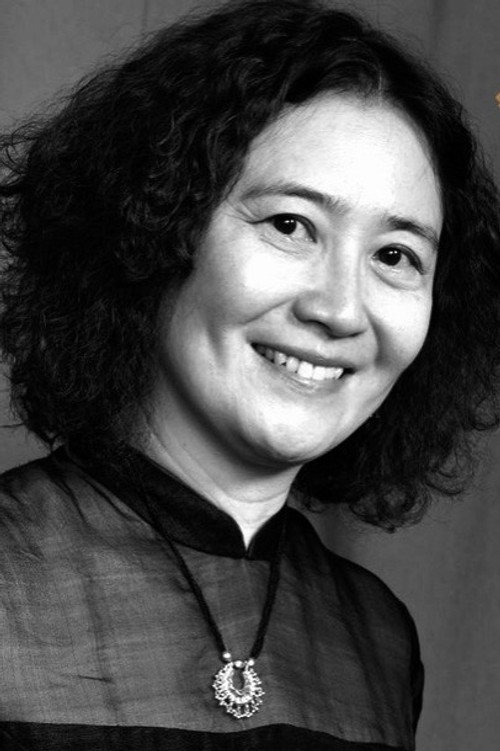
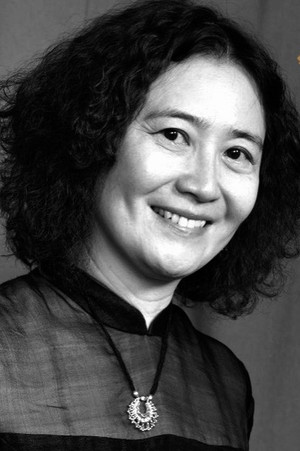
Huang Wenying is a producer and art director of Taiwan's Three Vision Films. After graduation, she worked in theater art design and television art design in New York, USA. After returning to Taiwan, he worked at Hou Hsiao-Hsien Film Studio.
A new documentary by Daniel Raim and Eugene Suen on the making of "Flowers of Shanghai," featuring behind-the-scenes footage and interviews with Mark Lee Ping-bing, producer and editor Liao Ching-sung, production designer Hwarng Wern-ying, and sound recordist Tu Duu-chih.
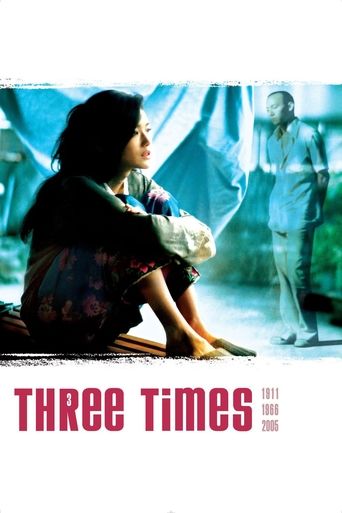
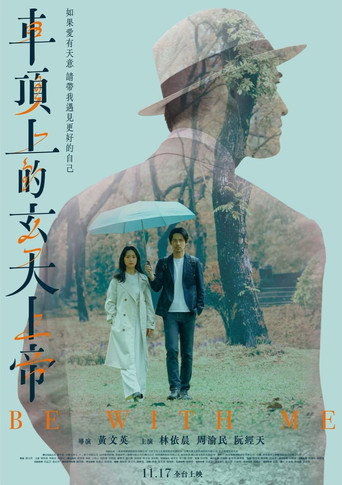
In three separate segments, set respectively in 1966, 1911, and 2005, three love stories unfold between three sets of characters, under three different periods of Taiwanese history and governance.
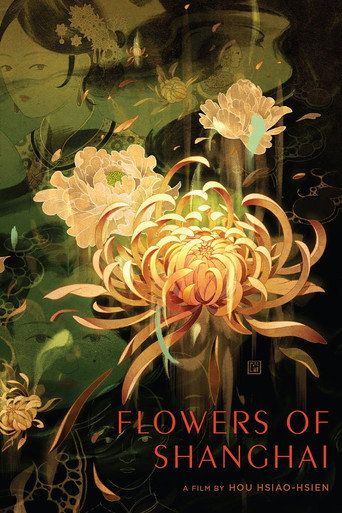
At the end of the 19th century, Shanghai is divided into several foreign concessions. In the British concession, a number of luxurious “flower houses” are reserved for the male elite of the city. Since Chinese dignitaries are not allowed to frequent brothels, these establishments are the only ones that these men can visit. They form a self-contained world, with its own rites, traditions and even its own language. The men don’t only visit the houses to frequent the courtesans but also to dine, smoke opium, play mahjong and relax. The women working there are known as the “flowers of Shanghai”.
This is a story of reminiscence, remembering my long-deceased Grandpa. To remember is to transcend, therefore it’s a story of time and space, overlapped and intertwined. It’s also a quest of love and work, a spiritual and emotional journey; and through which values are re-examined and life reaffirmed.
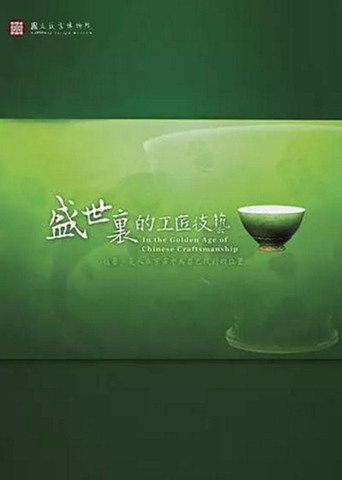
The essence of progress in civilization has always been handiwork. In traditional Chinese civilization, the emperor was supreme. Vested with the authority to enjoy the best of handiwork, all crafts used for residence, clothing, food, and travel were the most refined and splendid.
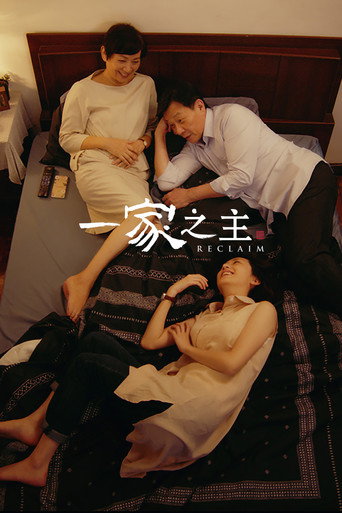
Shouldering all of her family's responsibilities, a mother scrambles to find a bigger apartment for her suddenly crowded household.
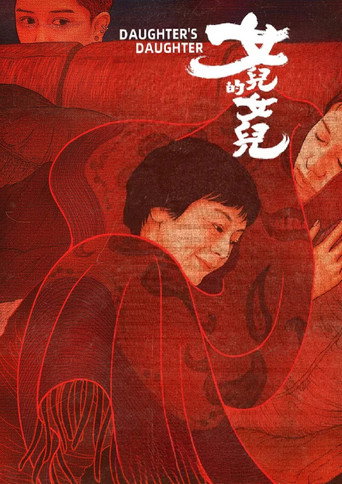
Jin is in her 60s. Her husband gone, her concern is for daughter Zuer, in New York trying out IVF with her partner Michelle. When Jin receives news that Zuer and Michelle have died in an accident, she heads for NY. There, she has another shock: she has inherited Zuer’s embryo and it’s for her to decide its fate. Meanwhile, going to NY also forces Jin to face Emma, the daughter she gave up for adoption when she was 17.
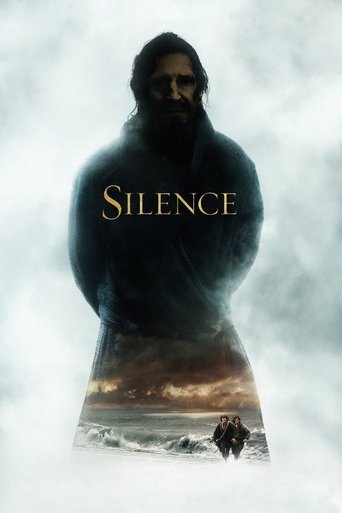
In the 17th century, two Portuguese Jesuit priests travel to Japan in an attempt to locate their mentor, who is rumored to have committed apostasy, and to propagate Catholicism.
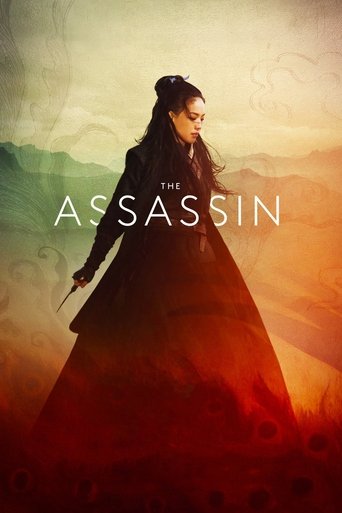
9th century China. Ten year old general’s daughter Nie Yinniang is abducted by a nun who initiates her into the martial arts, transforming her into an exceptional assassin charged with eliminating cruel and corrupt local governors. One day, having failed in a task, she is sent back by her mistress to the land of her birth, with orders to kill the man to whom she was promised – a cousin who now leads the largest military region in North China. After 13 years of exile, the young woman must confront her parents, her memories and her long-repressed feelings.