Directing
No biography available.
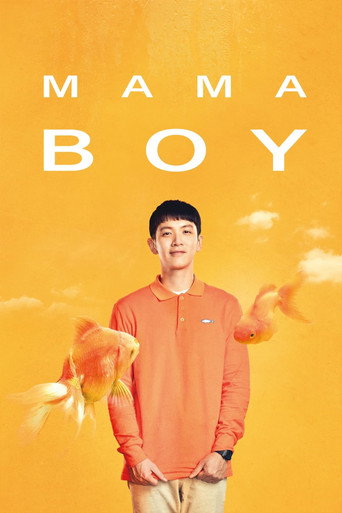
Xiao Hong is a shy 29-year-old man who works in an aquarium fish store and lets his overprotective mother boss him around in all aspects of his life. His cousin decides to take him to a seedy hotel where Sister Lele oversees the prostitution business.
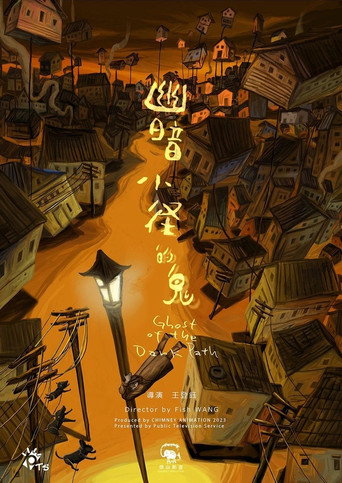
Secret policeman Agent Seven, tasked with surveilling underground reformist agitators, falls in love with their outspoken leader. Following a mass arrest, he barges in on her brutal assault by his colleague. He kills the malefactor and she escapes. Agent Seven follows a trail of her blood down a secluded forest path and loses his way, bringing him to a mysterious village of damned souls.
This is a documentary on "Tai-ke" male-bonding, and a story about the lost and found of life. The director uses black humor in depicting the lives and encounters of each person through out a period of ten years.
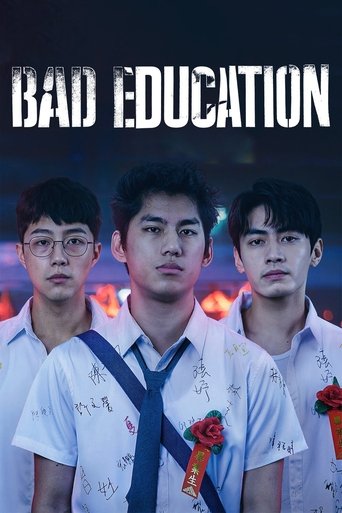
On the night of their high school graduation, three delinquents decide to exchange their darkest, most unspeakable secret.
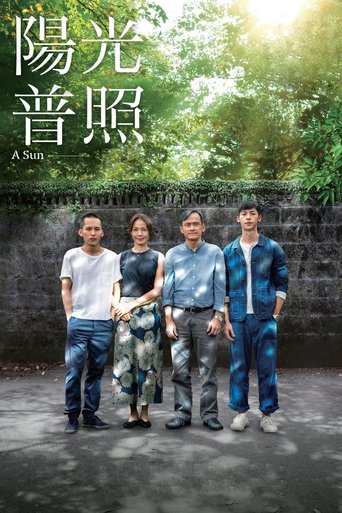
A family of four fractures under the weight of unmet expectations, unexpected tragedy, and uncompromising pride.
Director A-Shun is doing everything he can to capture the golden era of Taiwanese-language cinema in his new film. Despite encountering one problem after another that push him to the brink of collapse, everybody still says to him, "You can do it!"
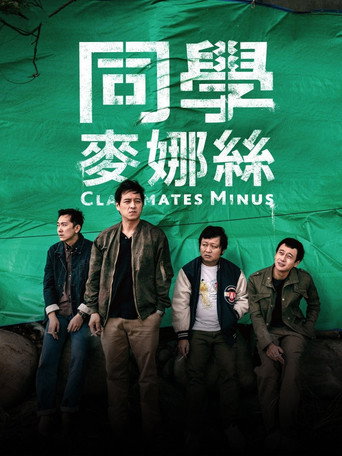
Four school buddies — a director, a temp worker, an insurance salesman and a paper craftsman — grapple with unfulfilled dreams amid middle age ennui.
After having to quarantine together during COVID-19, a mother and daughter are forced to confront their personal obstacles and relationship tensions.
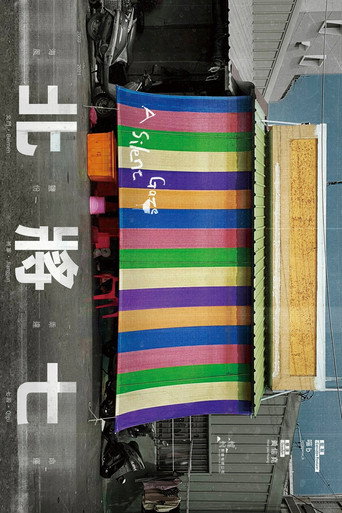
Since 2009, the filmmaker has spent 12 years documenting the ever-changing times of three townships along the coast of Tainan County, namely Beimen, Jiangjun and Qigu. Through the lenses, human activities are seen closely connected with the surrounding nature, while maintaining its own charm. The film subtly captures a singular way of life and a sense of time suspended in the past, present and future.
A commentary of Huang Hsin-yao´s "Contact Prints of Baileng Canal", explaining the history of the canal and presenting other renowned aqueducts of Japan, Italy, Spain and France.
Huang Hsin-Yao’s directorial debut on documentary
Huang Hsin-yao began studying documentary filmmaking in order to make a difference as an ecological activist. While attending Tainan University of the Arts, Huang made this film as a continuation of a previous documentary about the salt evaporation ponds near Tainan. But instead of filming the ponds once more, Huang turned his camera around to capture the state of the mangrove habitat surrounding the ponds. The result marks an important evolution for Huang as an ecologically-minded documentarian.
In August 2009, Typhoon Morakot killed hundreds and caused irreversible damage to Taiwan. On the Alishan Mountains, the rainfall destroyed its forest railway and badly damaged its tourism industry for years. Huang Hsin-yao initially went up the mountain to document the aftermath of the storm. But Huang changed his approach when he claimed he saw many Wu Fengs on the mountain, referencing the Han merchant who, according to folk legends, “civilised” Taiwanese aborigines on Alishan. This scathing documentary asks whether rapid development of the region, be it by deforestation or by exploitation of its natural beauty for tourist dollars, worsened the effects of the typhoon.
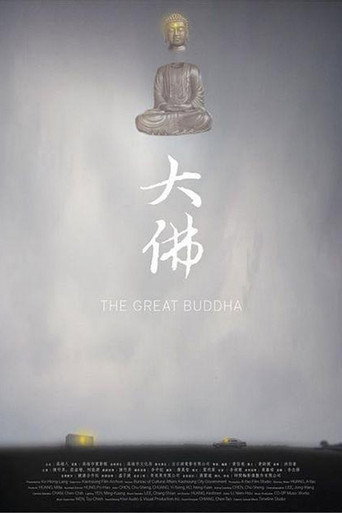
A Buddha statue, three middle-aged men and a mysterious woman. The unexpected encounter among them creates a story of suspense. Will the Buddha protect everyone of us? or does He choose the right ones at His own will?