Acting
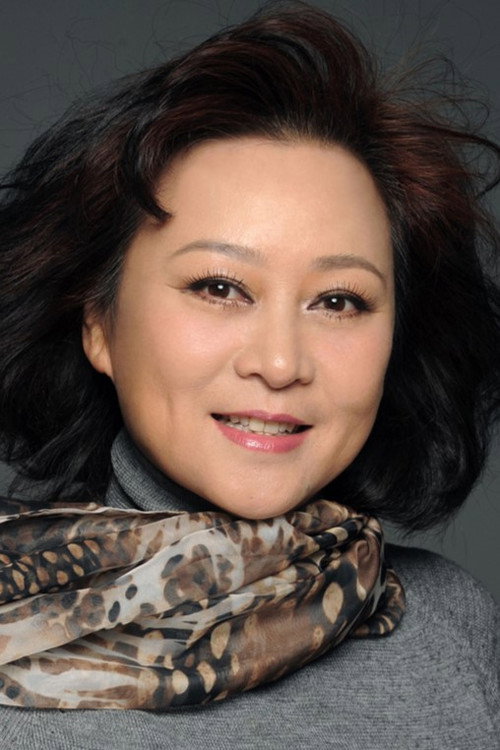
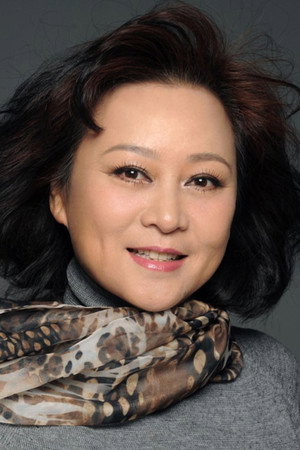
Huang Ailing (黄爱玲) is a Chinese actress.
The marriage of Chunsheng
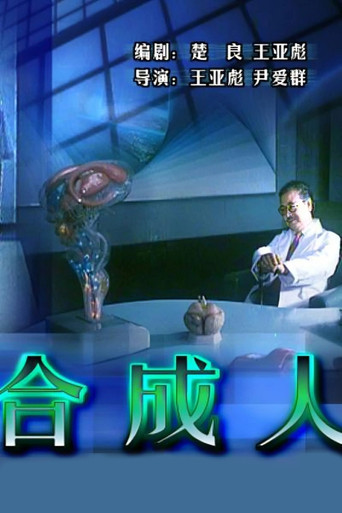
Trading company CEO Wu Hao died of brain caner, medical professor Pang transplanted the brain of Wang Jiapei, who was a farmer died of car crash, into Wu Hao's body. By this, Wang came back to life through the identity of Wu.
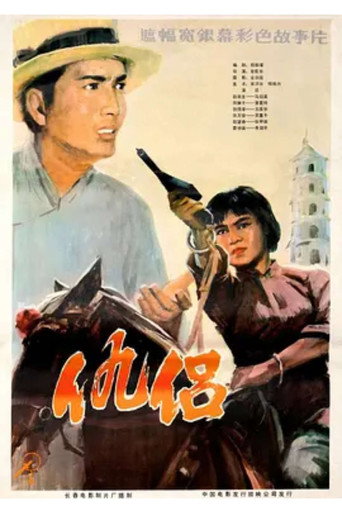
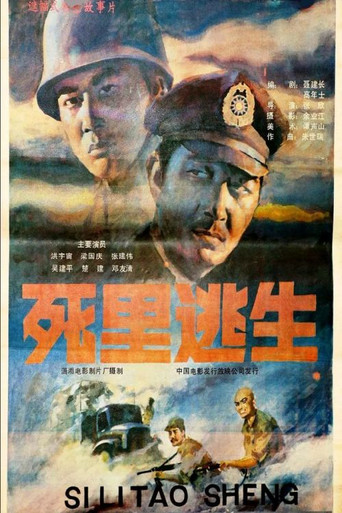
The Nationalists have a secret mission of sending a truckload of coins into the mountains but the commander of the army unit guarding the warehouse where the coins are stored wants them for his own use.
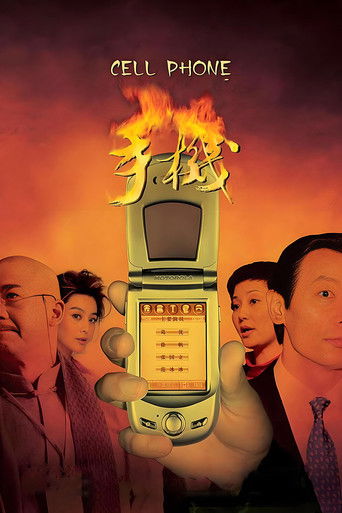
Follows the story of a television host who's hidden so much personal and secret information on his phone, that when it gets out, catastrophe strikes.
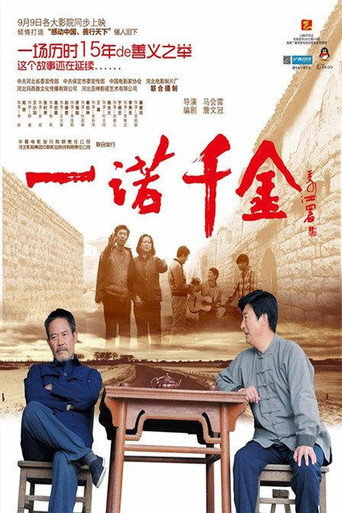
The film is based on a true story, inspired by the touching real-life events of the 1993 (01) class of the Fruit Tree Department at Hebei Agricultural University, whose students took care of their late classmate’s parents for 15 years. After the sudden passing of Li Baoyang in his youth due to illness, his classmates—unrelated by blood but bound by love—make a lasting promise to honor his memory and care for his aging parents as their own, embodying the spirit of “treating others’ elders as one’s own.” Their 15-year journey of devotion is tied together by a bet between Liu Qu’er, a man hardened by life’s harsh realities, and a village chief who still believes in kindness and trust. Though Liu Qu’er ultimately loses the bet, he stands on stage singing, “A promise worth a thousand gold.” This moving story of commitment and compassion became a symbol of “Good Deeds in Hebei,” echoing across the land and warming countless hearts.
A 15 part film featuring scenes from Xianghe, running from the mundane to the surreal: people parade in opera costumes, slaughter pigs in public and dine on the fields; they bury the dead and get married, tickling the bride and groom, everything done without speech. Sitting somewhere between intimate personal reels and detached ethnographic records, the work creates a simultaneous sense of immersion and distance – of the type you might associate with end-of-life flashbacks. Yang gives nostalgia a fantastic, mystical bent, as if to suggest that to revel in memory is a creative act.