Directing
No biography available.
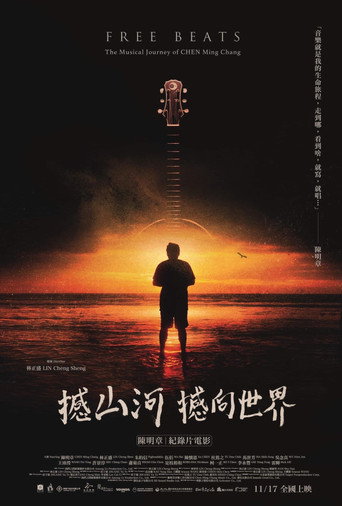
CHEN Ming-chang, exposed to Western music, from The Beatles to Bob Dylan, often taught himself to play and sing with a guitar when he was young. In the closed social milieu of martial law in Taiwan, he became immersed in music and yearned for freedom, arousing his desire to become a musician. Later, he decided to set out on a journey to learn more about the music that has been passed down through generations. Traveling around Taiwan, he learns traditional opera music from prestigious musicians and integrates it into his artistic creations, composing music and stories that belong to Taiwan…
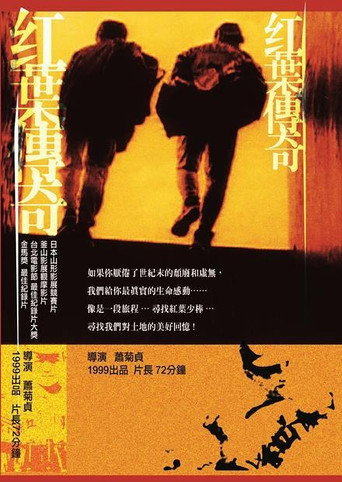
In 1968, Taitung Hongye Little League defeated Japan's Wakayama Little League 7-0, which was a legendary story of that era. The barefooted children of the Bunun tribe used stones as balls and sticks as sticks to win Taiwan the glory of defeating Japan. But what's the truth behind the legend? Where is the legendary young player now? This film goes into the fog of the premature death of more than half of the players, not only the stigma of impostor, but also the lament of underappreciated talent, and the baseball dream of the next generation of children.
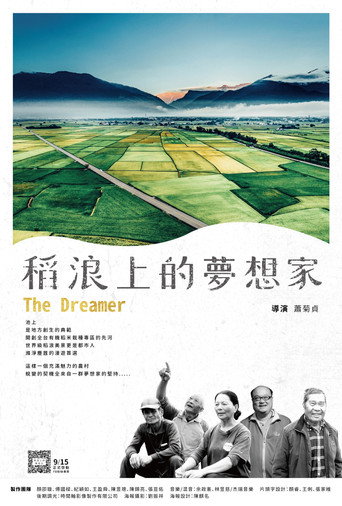
Chishang Township is known for its superior rice quality, golden rice waves, and unique cultural ambiance. From its initial struggles to the historic achievement of cultivating the highest-priced rice, the film traces the town's rich history and profound humanistic depth.
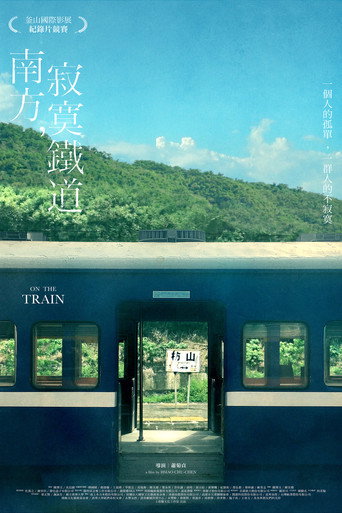
On the Train captures from the birth to the last moment of the railway, 98.2 kilometers long and opened in 1992, crossing southern Taiwan.
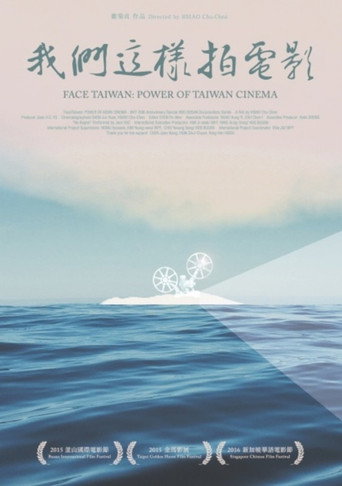
30 years after the Taiwanese New Wave first emerged, the veterans such as Hou Hsiao-hsien and Tsai Ming-liang remain active in their careers. Ten of Edward Yang's former assistants have become directors. The filmmakers of the younger generation are facing a Taiwanese audience hungry for films that link them with Taiwanese society, whether they are fictional or not.
Richly illustrated with film clips and interviews, OUR TIME, OUR STORY tells the still-evolving story of the Taiwanese "new wave," from its rise in the early 1980s, as the island was democratizing after decades under martial law, through growing international recognition and domestic debate in the 1990s. Spearheaded in its early years by such filmmakers as Edward Yang, Ko I-cheng, Hou Hsiao-hsien and Wan Jen, the movement revitalized Taiwan cinema through low-budget experiments that emphasized personal stories, political reflection and stylistic invention. Said filmmakers, writers and actors like Wu Nien-jen and Sylvia Chang, even "second wave" directors Tsai Ming-liang and Lin Cheng-sheng provide fond reminiscences and retrospective insights in this compelling account of one of the most distinctive national cinemas of the last quarter-century.