Directing
No biography available.
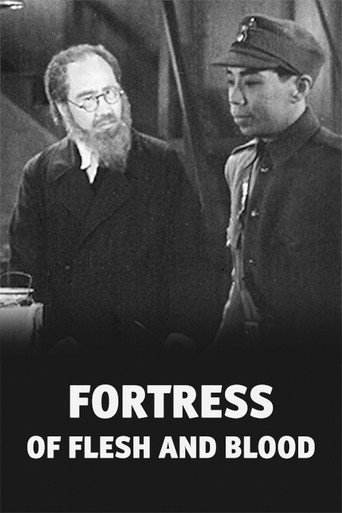
Professor Lo Yeung-guo (Hou Yao) and his students escape death from the Japanese army, and call on villagers in the countryside to form a guerrillas group. His son Lo Yung (Lau Hark-suen), however, indulges in debauchery. Entrapped by the Japanese, chicken-hearted Yung leaks information about the guerrilla that leads to deaths and injuries in the group. Yeung-guo reprimands his son for being an invisible traitor, inflicting even more harm than an outright traitor. Placing righteousness before family, he decides to execute his own son. As a writer-director-actor in the film, Hou Yao proclaimed his unwavering stance on resistance on the screen, and delivered a scathing attack on the cowardly ‘invisible traitors‘ at that time. Not long after, Hou was sadly arrested and executed by the Japanese army in Singapore.
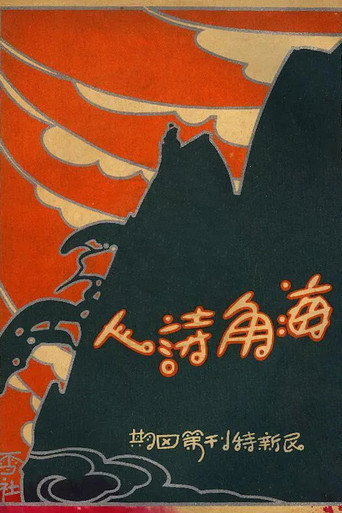
Hou Yao wrote, directed and starred in A Poet from the Sea (1927). It was shot in Stanley, Hong Kong. The surviving copy was only 23-minute long, but Hou Yao's romantic side was obvious through the scenic location and beautiful set-up. The love story between Poet (Hou Yao) and his lover (Lee Dan-dan) was pure and lyrical, a gem from China Sun Motion Picture Company (Shanghai) in the 1920s.
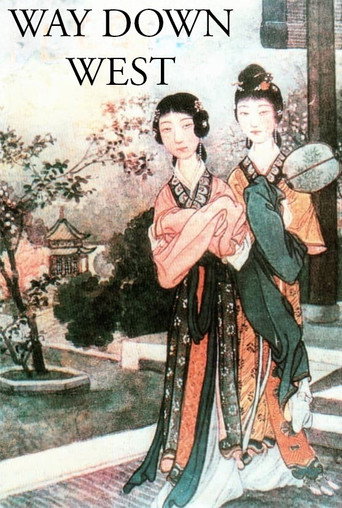
Based on the classic Chinese play Romance of the Western Chamber, Way Down West follows the love story between a poor scholar and wealthy woman. Unable to marry due to their social status, this changes when a bandit attacks the monastery they are staying at demanding the woman's hand. Desperate, her mother promises her hand to whomever manages to defeat the bandit.
A Cantonese drama shot in HK in the 1930s.
A rich man has two wives and two brothers-in-law, each of them related to one of the wives. When he decides to go to England, he takes his first wife's brother with him. During his absence, his second wife, with the help of her brother, treats the first wife badly, eventually trying to get rid of her after she gives birth to a baby boy. The first wife, to save herself and her baby from being burnt, is forced to leave the house.
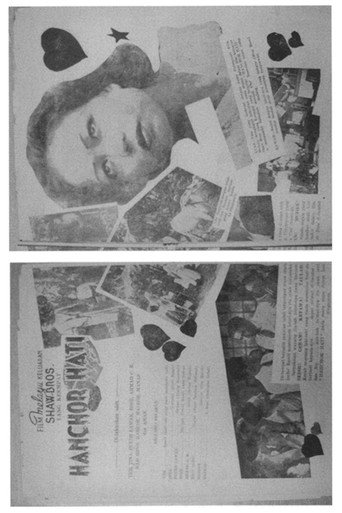
After Hou Yao moved to Singapore in 1940, he continued to work for the Shaw Brothers under Malay Film Productions and made a handful of films, including Bermadu and Hanchor Hati, before being murdered in 1942.
After Hou Yao moved to Singapore in 1940, he continued to work for the Shaw Brothers under Malay Film Productions and made a handful of films, including such films as Bermadu and Ibu Tiri, before being murdered in 1942.
After Hou Yao moved to Singapore in 1940, he continued to work for the Shaw Brothers and made a handful of films, including Mata Hantu, before being murdered in 1942.
After Hou Yao moved to Singapore in 1940, he continued to work for the Shaw Brothers and made a handful of films, including Full Moon Over Malaya, before being murdered in 1942.
After Hou Yao moved to Singapore in 1940, he continued to work for the Shaw Brothers and made a handful of films, including Mutiara, before being murdered in 1942.