Directing
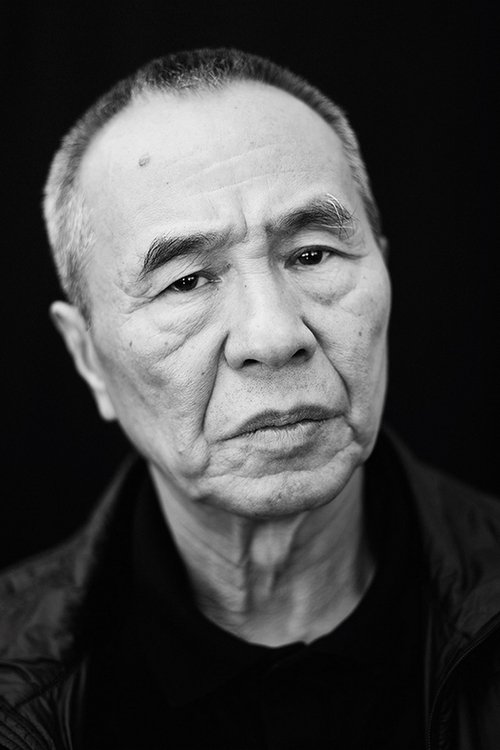
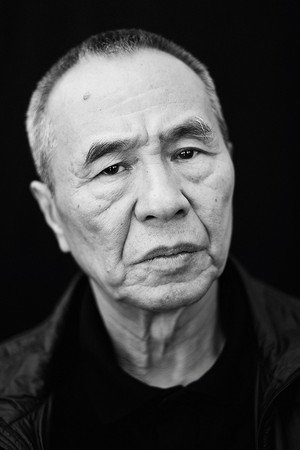
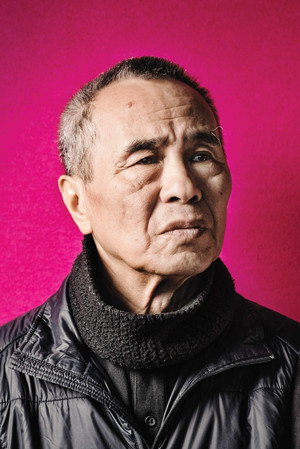
Hou Hsiao-hsien (Chinese: 侯孝賢; pinyin: Hóu Xiàoxián) (born April 8, 1947) is a retired award-winning film director and a leading figure of Taiwan's New Wave cinema movement.
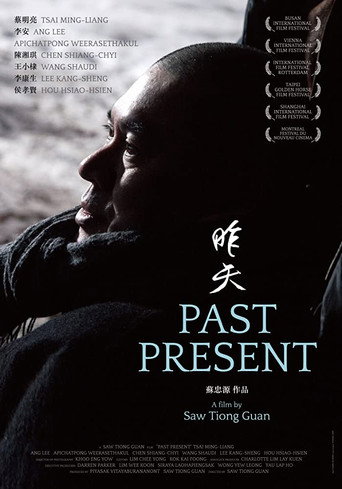
A contemplative trip down memory lane with one of the leading voices of the Second New Wave of Taiwanese Cinema. Saw Tiong Guan clearly established a very personal bond with his subject, and also found many of Tsai Ming-liang’s colleagues prepared to complete this portrait of a quiet yet outspoken artist.
A new documentary by Daniel Raim and Eugene Suen on the making of "Flowers of Shanghai," featuring behind-the-scenes footage and interviews with Mark Lee Ping-bing, producer and editor Liao Ching-sung, production designer Hwarng Wern-ying, and sound recordist Tu Duu-chih.
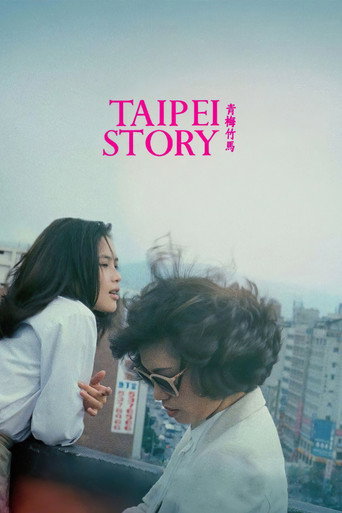
A young woman urgently seeks to navigate the maze of contemporary Taipei and find a future. She hopes that her boyfriend Lung is the key to the future, but Lung is stuck in a past that combines baseball and traditional loyalty that leads him to squander his nest egg bailing her father out of financial trouble.
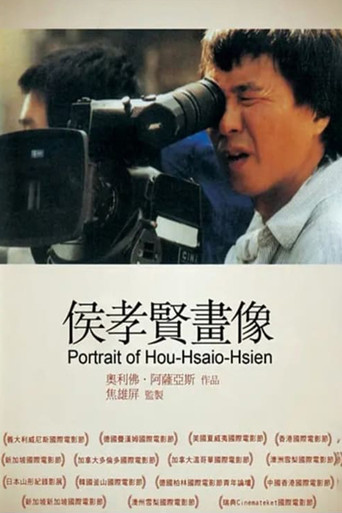
Entry on Taiwanese new-wave filmmaker Hou Hsiao-Hsien for French television's "Cinéma, de notre temps" series, directed by Olivier Assayas.
The essence of progress in civilization has always been handiwork. In traditional Chinese civilization, the emperor was supreme. Vested with the authority to enjoy the best of handiwork, all crafts used for residence, clothing, food, and travel were the most refined and splendid.
An exploration of Chinese cinema and its relationships with gender and sexuality, which the film argues has been more frankly and provocatively explored than in any other national cinema. Utilizing both film excerpts and interviews with many leading directors and academics, the film examines topics such as male bonding in kung fu movies, depictions of same-sex bonding and physical intimacy, the emphasis on women's grievances in melodramas, and the career of Yam Kim-Fai, a Hong Kong actress who spent her life portraying men on and off the screen.
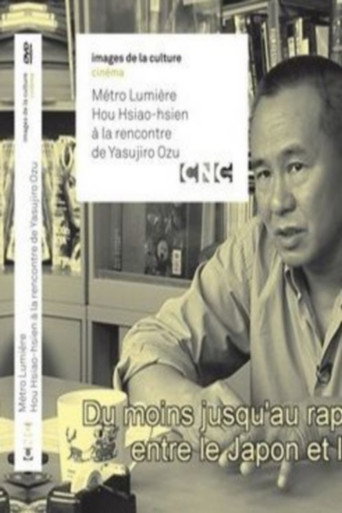
French-made documentary, "Métro Lumière", which actually does help provide some of the context for Hsiao-hsien's approach to the film. It includes excerpts from Ozu's films, in particular, "Equinox Flower", to show the parallels with this film, the obvious basis for some of the scenes and situation set-ups.
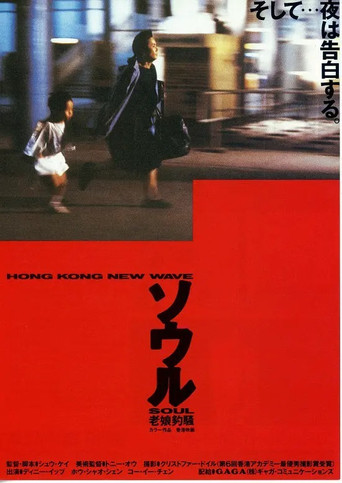
Ip Cheung and her husband, a senior police inspector, had been happily married for 18 years. One day, Ip runs into her neighbour, a Taiwanese woman. As they are talking, three men suddenly appeared and tried to kill them. The Taiwanese woman is killed but Ip and the kid, Yen, managed to escape. At the same time, Ip's husband commits suicide. His superior suspected him of corruption. Ip finds out that the Taiwanese woman was her husband's mistress and Yen, his illegitimate son. Ip is given custody of Yen but they are unable to get along. However she will save his live when the gang go after him.
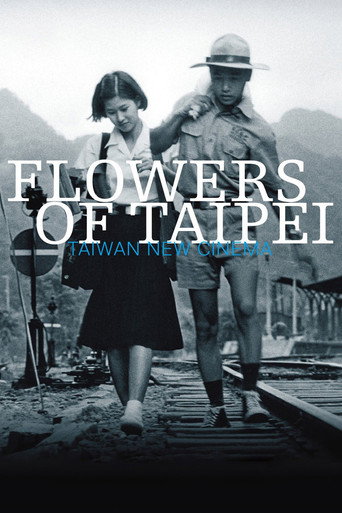
With Taiwan remaining in the grip of martial law in 1982, a group of filmmakers from that country set out to establish a cultural identity through cinema and to share it with the world. This engaging documentary looks at the movement's legacy.
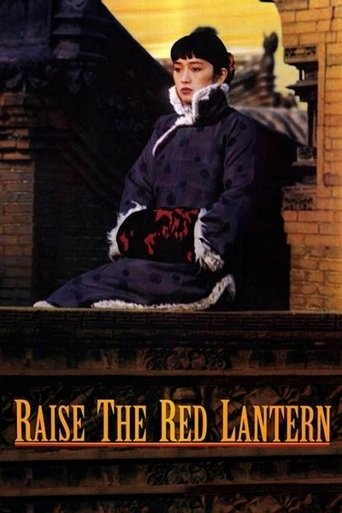
In 1920s China, 19-year-old Songlian becomes a concubine of a powerful lord and is forced to compete with his three wives for the privileges gained.
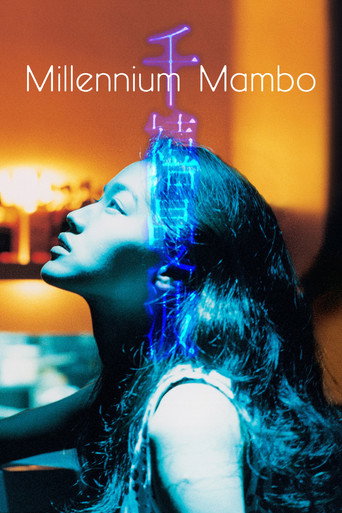
Vicky recalls her romances with her exes Hao Hao and Jack in the neon-lit clubs of Taipei.
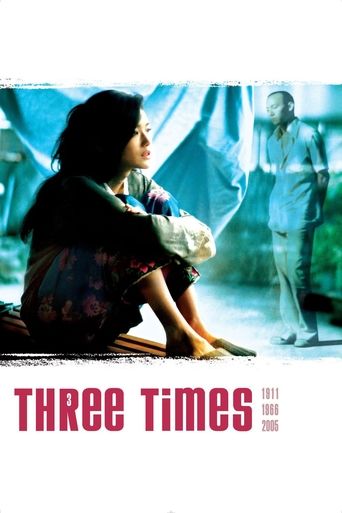
In three separate segments, set respectively in 1966, 1911, and 2005, three love stories unfold between three sets of characters, under three different periods of Taiwanese history and governance.
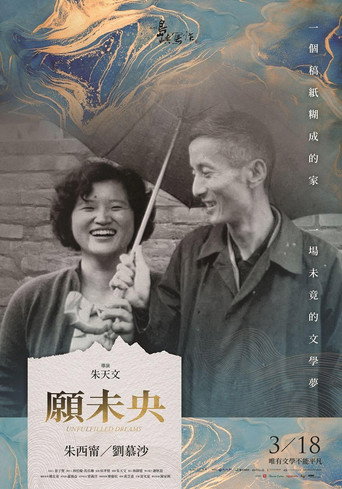
Chu Tien-Wen, frequent screenwriter for Hou Hsiao-Hsien, makes her directorial debut with this entry in The Inspired Island documentary series. With Hou as producer, cinematographer Yao Hung-I and editor Liao ChingSung, Chu takes a deep dive into the story of her parents, famed authors Chu Hsi-Ning and Liu Mu-Sha. Through family albums, old letters and interviews with fellow writers, Chu crafts a deeply personal portrait of her parents’ romance, literary careers, family roots and the unfinished opus her father left behind.
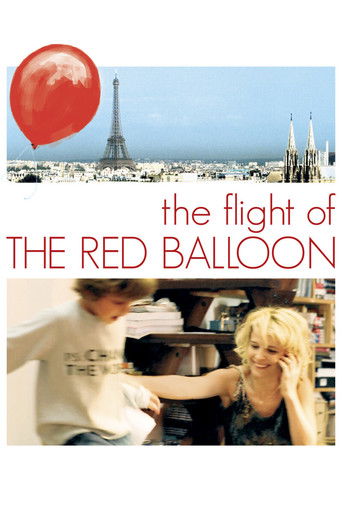
The first part in a new series of films produced by Musée d'Orsay, 'Flight of the Red Balloon' tells the story of a French family as seen through the eyes of a Chinese student. The film was shot in August and September 2006 on location in Paris. This is Hou Hsiao-Hsien's first Western film. It is based on the classic French short The Red Balloon directed by Albert Lamorisse.
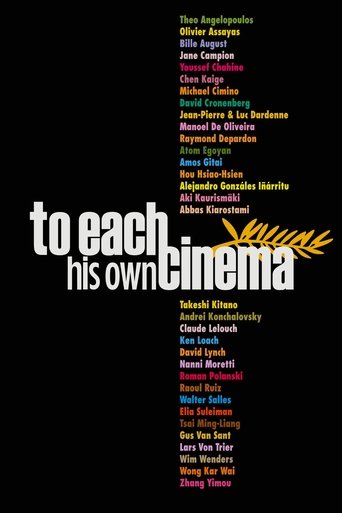
Commissioned to mark the 60th anniversary of the Cannes Film Festival, "To Each His Own Cinema" brought together 33 of the world's pre-eminent filmmakers to produce short pieces exploring the multifarious facets of cinema and their perspective on the state of their chosen artform in the early 21st century.
A photographer travels with her boyfriend to a seaside village in Penghu. There she strikes up a relationship with a blind man. When they reencounter one another back in Taipei, where he is preparing to undergo an operation to restore his sight, their connection intensifies.
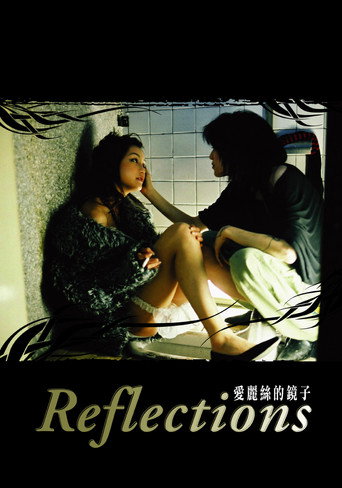
A couple is torn by conflicting emotions. Jing and Mi are two women living in Taiwan who have been lovers for some time; Jing is a singer in a rock band who suffers from severe mood swings and has been suffering from a fractured relationship with her mother, while Mi is the more sedate and level-headed of the couple.
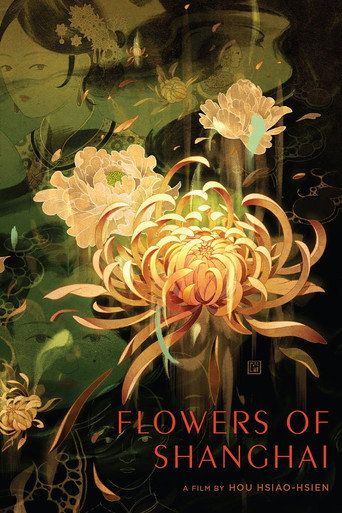
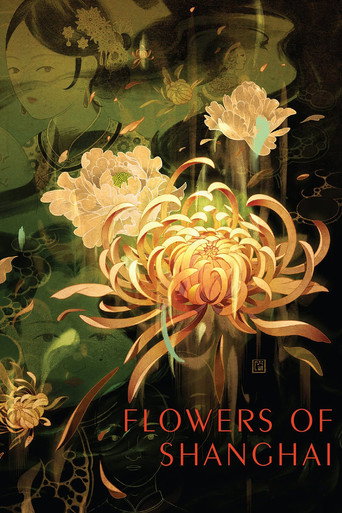
At the end of the 19th century, Shanghai is divided into several foreign concessions. In the British concession, a number of luxurious “flower houses” are reserved for the male elite of the city. Since Chinese dignitaries are not allowed to frequent brothels, these establishments are the only ones that these men can visit. They form a self-contained world, with its own rites, traditions and even its own language. The men don’t only visit the houses to frequent the courtesans but also to dine, smoke opium, play mahjong and relax. The women working there are known as the “flowers of Shanghai”.
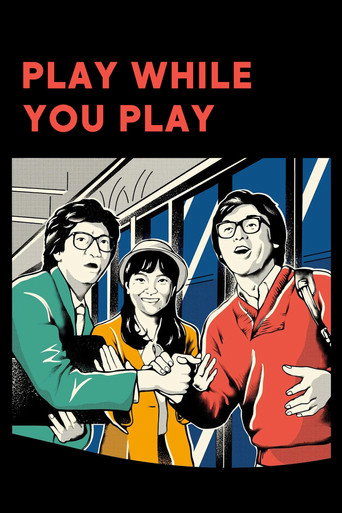
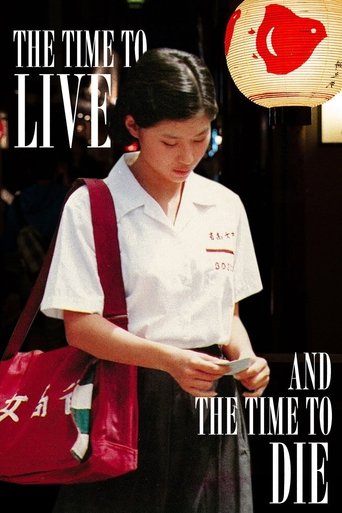
An autobiographical film based on Taiwanese director Hou Hsiao-hsien's memories of his youth growing up in Taiwan after emigrating from mainland China.