Acting
No biography available.
The "Fiery Arc" tells of a grandiose battle on the Kursk Bulge in the summer of 1943. Here was the largest tank battle in the history of World War II. Along with the personal fate of the heroes, the film shows battle scenes, the activities of headquarters and intelligence, those who worked at the front and in the rear.
Using the example of three generations of a Hamburg working class family, the rise of the working class from the founding of the Wilhelmin Empire to the First World War, over the time of the Weimar Republic and National Socialism to the destruction of the Third Reich.
It was supposed to be a cozy Christmas evening with the family. Labor Director Walter Lörke was particularly looking forward to it. But then his daughter Anne surprised him with her future son-in-law Thomas Ostermann. And that's not all: Lörke is to become a grandfather. This doesn't suit him at all, especially as the young man clearly shows his critical attitude towards the state whose ideals Lörke has fought for all his life. An argument ensues - on Christmas Eve. Lörke leaves the apartment in a rage. But he is driven by unrest: He wants to know what kind of person his future son-in-law is and why he has such a negative attitude towards the state. It turns out that Thomas has had bitter experiences with the opportunistic attitudes of many adults and that, although he was the best student in his class, he was not admitted to university because of his critical opinions.
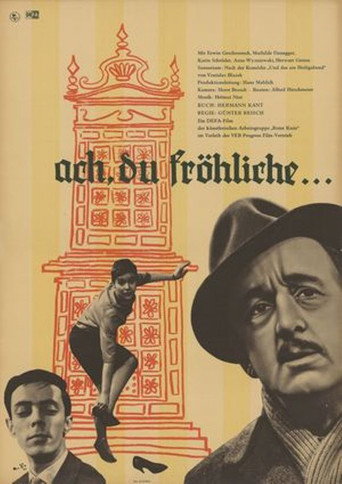
A doctor of social sciences - a specialist in failing marriages - becomes jealous. He imagines his skater wife in various situations, but always on skates.
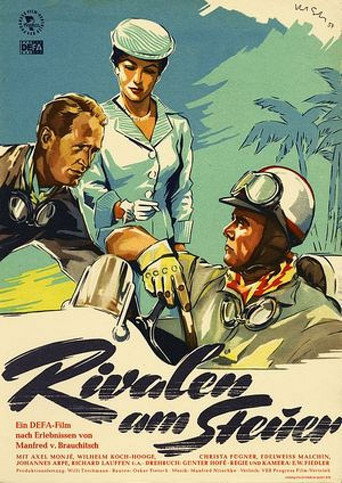
Manfred Falk is an experienced race car driver and member of a racing collective in Eisenach. While competing in West Germany, the beautiful Manuela convinces him to leave his girlfriend Inge and his friends at the collective behind in order to join the South American Alvarez racing company.
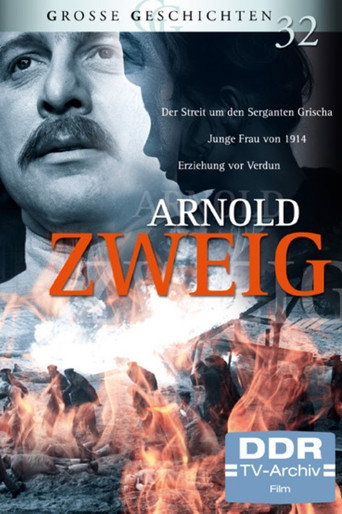
Russian soldier Grisha escapes from a German prisoner-of-war camp in the spring of 1917. He is caught and is to be shot as a spy. This decision is controversial. The dispute continues. Grisha is executed on the orders of the army high command.
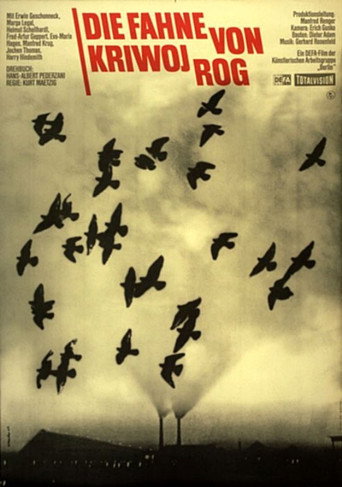
In an act of friendship and solidarity between two mining towns in 1929, the locals of Kryvyi Rih, Ukraine, give their flag as a gift to the locals of Bergstedt, Germany in this GDR propaganda film. This quickly takes on a symbolic meaning for the miners in Bergstedt as the Nazi party demands that this Soviet gesture be erased and the flag be replaced with their own. The miner and communist party functionary Otto Brosowski publicly declares it his duty to defend this flag against every danger, and he keeps his promise despite his family being threatened by torment and torture.
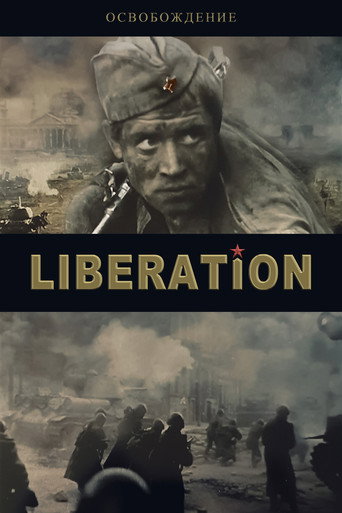
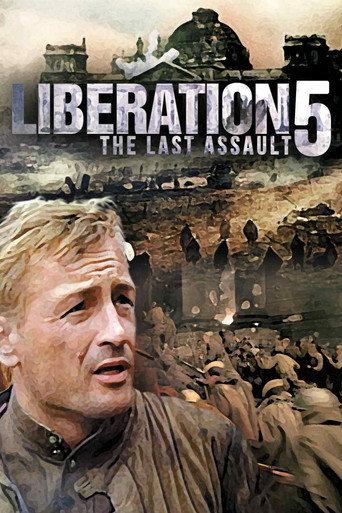
In Berlin, Lieutenant Yartsev's infantry and Tzvetaev's battery fight their way in the U-Bahn. Captain Neustroev's company is selected to hoist the Victory Banner atop the Reichstag.
Former Nazi Klaus Abard survives to the 1990s by taking anti-ageing pills. He plans to use a time travel trip to return to Germany in 1944 and present Hitler with a hydrogen bomb, so that he can win the war. Unfortunately the pilot, woman-chasing Karel Bures, dies on the morning of the trip and his earnest twin brother Jan impersonates him, without knowing about the plot.
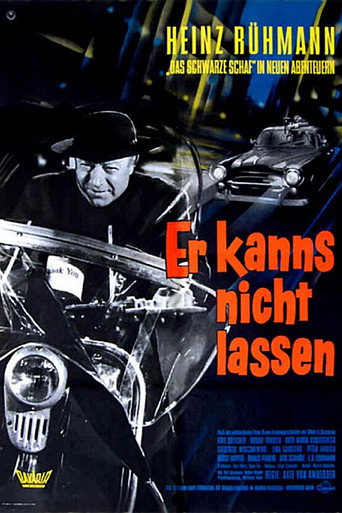
Father Brown is only too happy to interfere with the work of the police in solving tricky criminal cases, usually with resounding success. That's why the clergyman is transferred to a sleepy island called Abbott's Rock. At first, nothing happens there, but somehow Father Brown seems to be attracted to crime: Soon a gang of thieves is up to no good on the island. So Brown makes the headlines again, and is punitively transferred once more. This time he finds himself in a quiet Irish millionaire community.