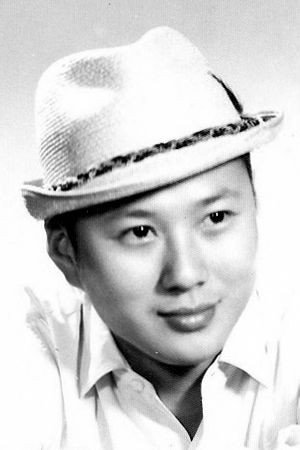
Ho Fan Movies, TV Shows, and Filmography
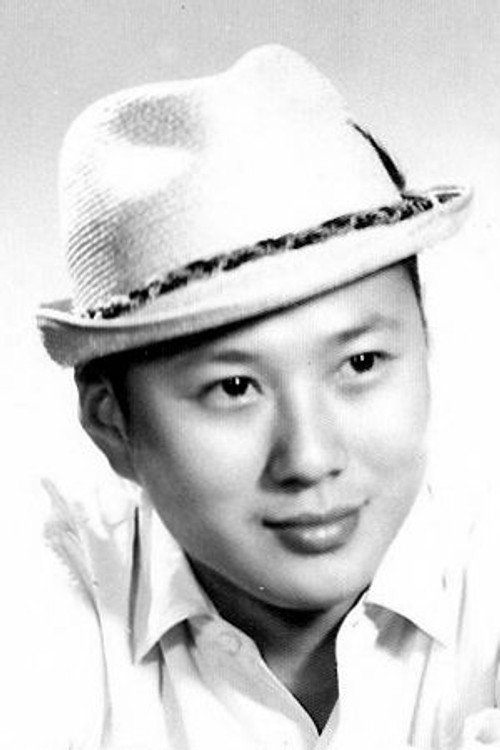
Ho Fan
Directing
Biography
A native of Guangdong born in Shanghai on 8 October 1931, Ho Fan came to Hong Kong at the age of 18 and studied in The Evening School of Higher Chinese Studies and New Asia College. Ho has dedicated much of his time to literature and photography since his school days. His photography was well-known for using light, shadow and composition to create a sense of drama, capturing the appearance of small people in Hong Kong, and has won numerous international awards. He passed away in California on 19 June 2016.
Filmography Movies
Acting
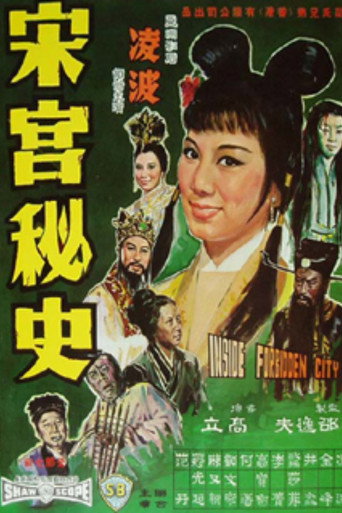
Inside the Forbidden City
It seems that Li Zhenfei was once an imperial concubine, who often found herself competing with her rival Madame Liu for the emperor's sole, undivided attention. When Li gives birth to the Emperor's child, the jealous Liu switches the boy with a cat and commands a servant named Kou Zhu to kill the baby. However, Kou Zhu ignores the order and gives the prince-to-be to the emperor's brother, a decision which eventually leads to the boy being adopted by the emperor himself! But as fate would have it, to go along with his new son, the emperor has a new wife as well - Madame Liu! As this strange new family unit is being constructed, poor Li Zhenfei has been confined to the forbidden palace, condemned to never see or speak to her son, the prince. But destiny reunites her with her son, but will this family reunion be a happy one? And will Madame Liu finally be punished for her treachery?
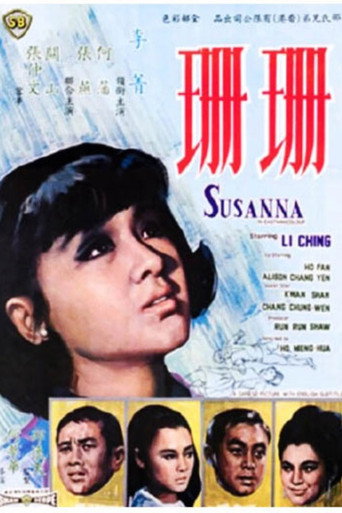
Susanna
Nineteen-year old Li Ching scored a major success playing the title character, Susanna. Li's youthful exuberance is given free rein in a role that embraces rebellion, love, betrayal, tragedy, and ultimately, redemption.
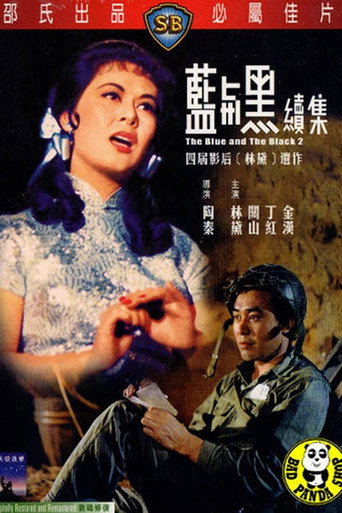
The Blue and the Black 2
War and time change everything. Their love becomes more than reunion, it becomes a reckoning with what was and what could've been. Part two of the wartime love story.
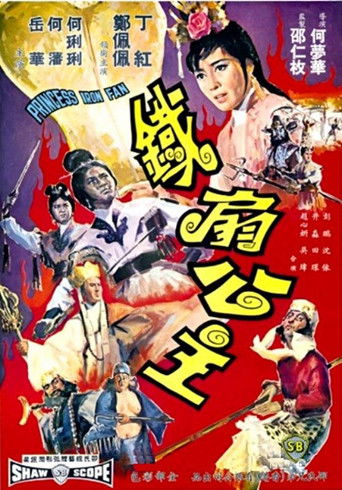
Princess Iron Fan
The mythological tale of a quest from China to India to bring back Buddhist scriptures, famous for the adventures of Sun Wukong, the notorious Monkey King.
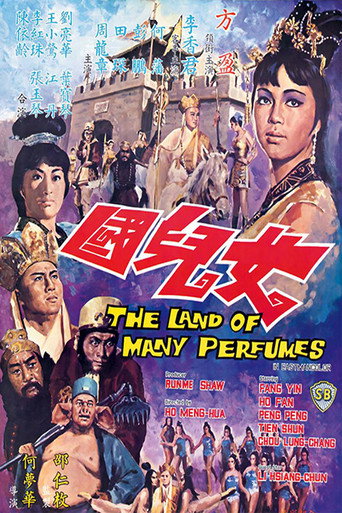
The Land of Many Perfumes
The Monk, Monkey and Pigsy find themselves in the title realm, where women can only give birth to women...unless loved by a man
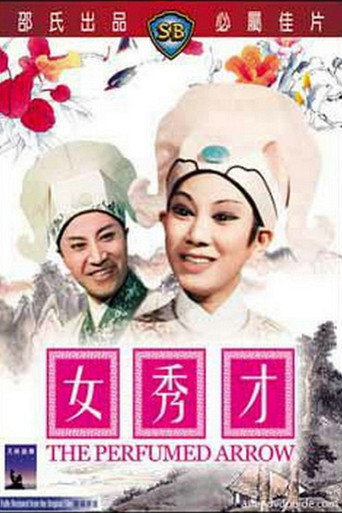
The Perfumed Arrow
Ling Bor plays Wen Fei E who is both an excellent academic as well as martial arts expert. Since her childhood days fond of dressing up as a boy, she becomes a village scholar sharing classes with Tu Zi Zheng (Chin Feng) and Wei Zhun Zhi (Ho Fan). When Fei E's innocent father is framed and sent to prison, she rushes to his rescue saving Jing Fu Quan (Kam Fie) who is in the hands of robbers along the way. Mistaking Fei E to be a noble hero, Fu Quan has no greater wish than to get married to her savior...
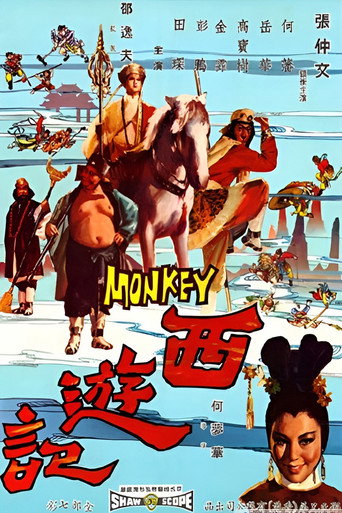
The Monkey Goes West
THE MONKEY GOES WEST is the first entry in the studio’s epic, four-part screen adaptation of “Journey to the West,” a 16th-century novel recounting the efforts of a Buddhist monk and his magical companions to travel to India and bring back Buddhist sutras.
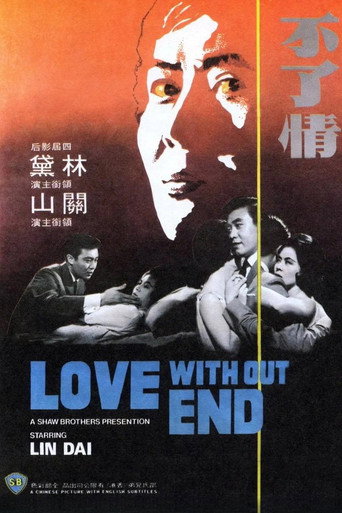
Love Without End
Li Qingqing, an orphan, just arrives in Hong Kong and becomes a singer who sacrifices everything for her man.
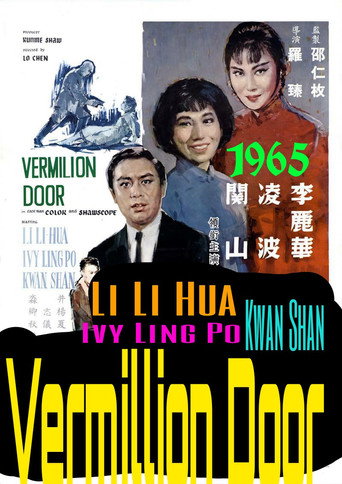
Vermilion Door
The tragic love triangle of early 20th century Peking Opera star Chiu Hai-tang, his beautiful stage partner, and the warlord who forces himself between them, has been a favorite with Chinese audiences for decades.
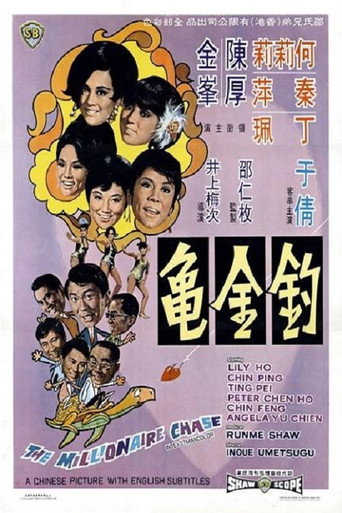
The Millionaire Chase
Shaw Brothers musical about three Showgirls chasing millionaires.
Production
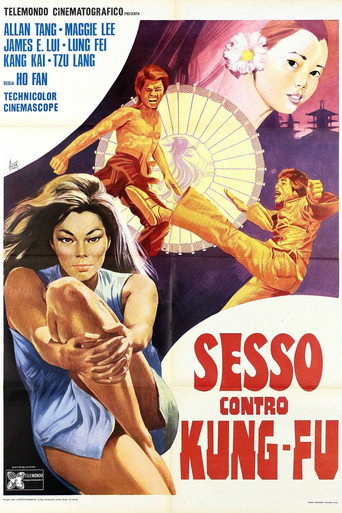
Love and Blood
Hong Kong 1972. Shiu Pang is a poorly paid photographer with a very jealous fiancee. One day he meet an innocent girl and he falls in love with her. His fiancee decides to give a lesson to the young girl by sending a bunch of youngsters beating her and things goes worse and worse, the photographer's best friend dies in fighting the gangsters and the girl loses his mind, ending up in an asylum.
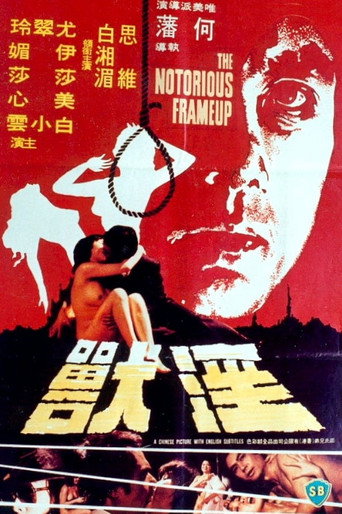
The Notorious Frame-up
Wang, a womanising businessman miles away from home, makes it a sport to seduce young women. After one of his conquests got pregnant with his child and died after the abortion, one after another of his lovers are found murdered. It is only when he is arrested and convicted for these crimes that he finds himself embroiled in a plot of revenge. Based on the work of Japanese novelist Togawa Masako which was previously adapted by director Nakahira Kō into The Hunter’s Diary (1964 in Japan) and the Hong Kong version Diary of a Lady-killer (1969), Ho Fan’s remake, his third film for Shaw Brothers as director, is a stylistic tour de force and a more authentic rendering than the 1969 version, grippingly suspenseful and provocative with clever shots, dark humour, and sophisticated treatment of contemporary attitudes about sexual liberation, exploring the conflicts over human nature and desire. (By Reel to Reel Institute)
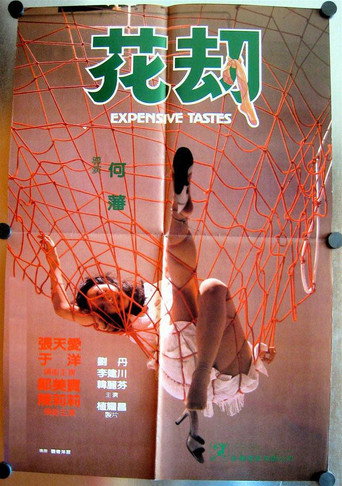
Expensive Tastes
The psychotic son of a rich man continues to get away with raping young women, with the help of an unscrupulous lawyer. A journalist working for a women's magazine becomes involved when her friend becomes a victim. Because of her campaigning efforts, the journalist herself becomes a target of the vicious brat's attentions.
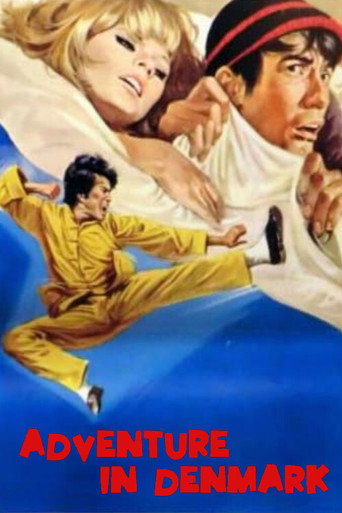
Adventure in Denmark
Two Chinese men go to Copenhagen for some reason. While one of them philanders around with various Danish and Asian women, the other falls in love with his Chinese tour guide, but takes time to have various drawn-out kung fu battles with a seemingly endless amount of thugs sent by his partner's overweight and very jealous girlfriend back home.
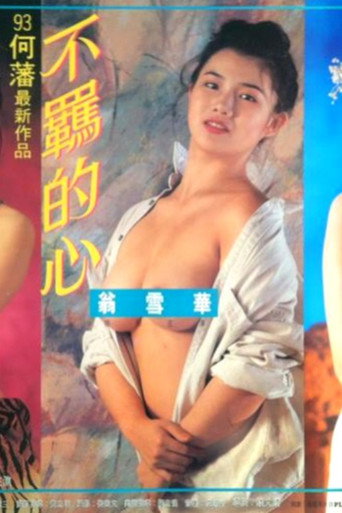
Wild at Heart
"Wild at Heart" is a love film directed by Ho Fan and Qian Wenji, starring Shen Guanjun, Yang Yijia, Weng Xuehua, Liu Zhi, Xu Zhen, and Chen Zihong. It tells the story of a lascivious man carrying his wife around to provoke flowers, which was finally exposed and tortured by four women.
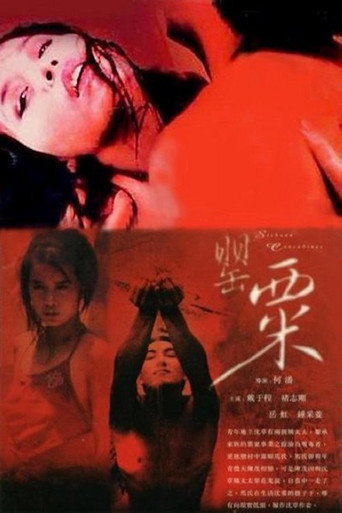
The Sichuan Concubines
The setting of the Black Brick Castle that harvests poppy seed. But times are tough as the wait for a ship that is picking up the latest batches has either been intercepted by robbers or won't come at all and the boss of the castle, Chen Tsao, once was part of the robbing gang before inheriting the family business slowly loses his mind. Despite the copious amount of concubines around him, he is not able to impregnate a woman. and he made Chen Mao, a worker impregnate a concubine to have a heir. His father's outgoing ways with several concubines and opium smoking, seems to somewhat stop at him. But worldly circumstances possibly having to do with poverty and famine outside of the castle walls doesn't make matters stop at him to turn around in a positive way. On the other hand Chen Mao, has an eye for one of the female workers who is married to abusive Kui Kong who thinks she brings bad luck to him, although she struggles to raise her two children with this curse she's said to carry.
Lost
Caught between two entirely different women, an artist finds himself in conflict between the spiritual and the sensual, and at the same time lost creatively in the cultural clash between East and West. Based on Ho Fan’s 1966 experimental short Assignment, Part One, Lost depicts the artistic and carnal obsession of the modern creative mind. A departure from mainstream Cantonese and Mandarin films with European and Japanese new wave influences, it is shot with the colours of the 1960s and Lishan, Taiwan as backdrop. Sun Po-ling, an artist in her own right, co-directed and invested in the film, acting also as producer and make-up artist. She took the film to premiere in Cannes in 1970 and then screened it in Germany and the United States, while her ambition to release it locally in the foreign films theatre circuits did not materialise. Lost for half a century, this pioneering independent feature in the 1960s resurfaced in a print found in Taiwan by Reel to Reel Institute (Hong Kong).
Lost
Caught between two entirely different women, an artist finds himself in conflict between the spiritual and the sensual, and at the same time lost creatively in the cultural clash between East and West. Based on Ho Fan’s 1966 experimental short Assignment, Part One, Lost depicts the artistic and carnal obsession of the modern creative mind. A departure from mainstream Cantonese and Mandarin films with European and Japanese new wave influences, it is shot with the colours of the 1960s and Lishan, Taiwan as backdrop. Sun Po-ling, an artist in her own right, co-directed and invested in the film, acting also as producer and make-up artist. She took the film to premiere in Cannes in 1970 and then screened it in Germany and the United States, while her ambition to release it locally in the foreign films theatre circuits did not materialise. Lost for half a century, this pioneering independent feature in the 1960s resurfaced in a print found in Taiwan by Reel to Reel Institute (Hong Kong).
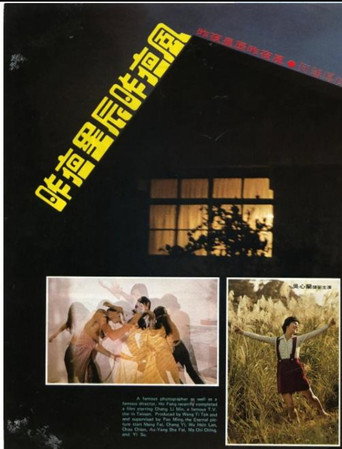
The Miserable Girl
Haunted by her past, an ailing young woman who recently lost her mother and the roof over her head is reluctant to accept the generosity of an older man who fell out with his own daughter whose affair with his boss's son cost him his job; her reasons are revealed only after her death and when the past is dredged up. Based on Fyodor Dostoyevsky’s Humiliated and Insulted, the film was filmed and distributed in Taiwan however was not released in Hong Kong. It is Ho Fan’s first attempt to fulfil his vision for an art house production in mainstream cinema which breaks the mould by mixing the nuance of art films with popular culture in a confrontation between the old and the new. It was selected in the 1980s by Hsu Li-Kong, director of then Film Library of the Motion Picture Development Foundation (now Taiwan Film and Audiovisual Institute), as part of its permanent collection. (By Reel to Reel Institute)
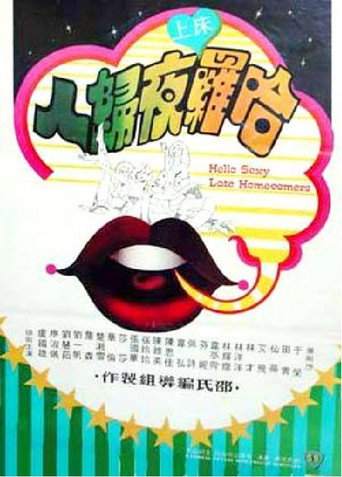
Hello Sexy Late Homecomers
A sex comedy by the Shaw Brothers studio.
Gallery