Sound
No biography available.
It is only at their sister's and mother's funeral when a woman meets her niece after many years. The niece is now a grown girl. The sister takes on the task of informing the deceased's friends of the death while the daughter cannot bring herself to symbolically accept the demise of her mother. In the midst of all this an old flame messages the sister to say he is still in love with her, but is he messaging the living sister or the dead one?
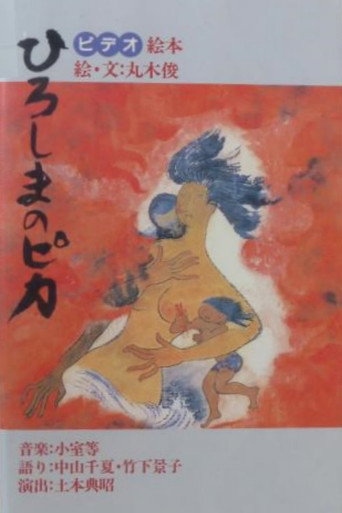
Video version of the picture book 'Hiroshima no pika', based on the art pieces known as The Hiroshima Panels by Iri and Maruki Toshi
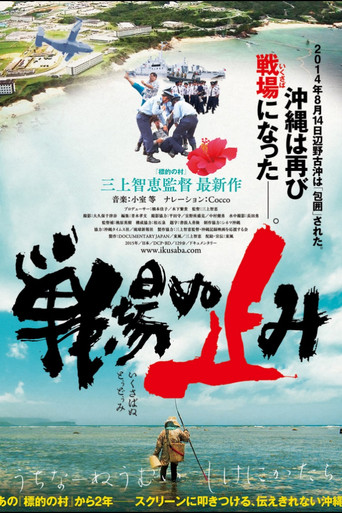
An elderly woman named Fumiko lived through the battle of Okinawa. Now she is part of the movement protesting the construction of a new American military base in Henoko. This film captures the complex feelings of those who have had to live their lives alongside military bases. It compels us to share in their yearning to bring an end to this battle.
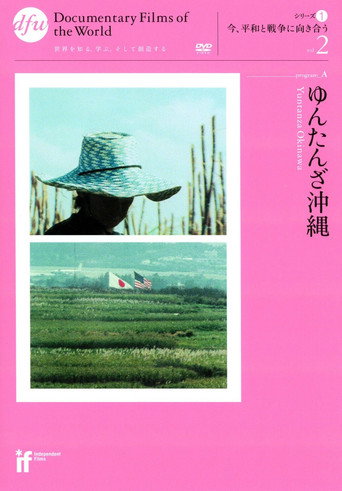
38 years after the Pacific War, 84 victims of a mass suicide ordered by the Japanese military were uncovered in a cave in Yomitan village. This film contains the testimonies of some of the survivors, the story of a sculptor leading bereaved family members in creating a statue of peace, and the resistance of a group of girls against the raising of the Japanese flag at the high school graduation ceremony.
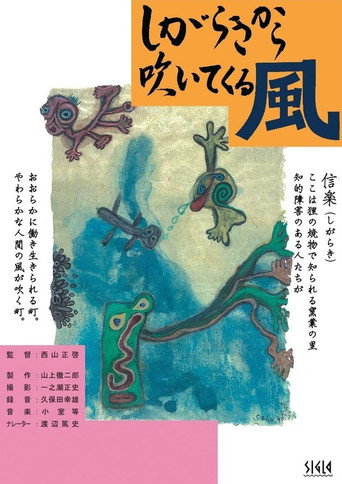
Shiragaki is renowned for its ceramics. This documentary follows people who must overcome physical disabilities to work in the town.
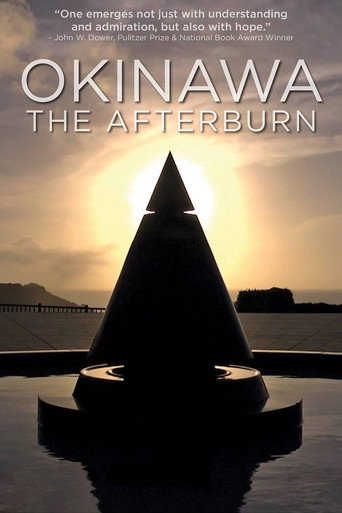
On April 1, 1945, the United States military launched its invasion of the main island of Okinawa, the start of a battle that was to last 12 weeks and claim the lives of some 240,000 people. This film depicts the Battle through the eyes of Japanese and American soldiers who fought each other on the same battlefield, along with Okinawa civilians who were swept up in the fighting. The film also depicts the history of discrimination and oppression forced upon Okinawa by the American and Japanese governments. Carrying up to the current controversy over the construction of a new base at Henoko, the film explores the root causes of the widespread disillusionment and anger expressed by many Okinawans. This ambitious documentary was directed by the American John Junkerman, long-term resident of Japan and Oscar-nominated documentary filmmaker. Okinawa: The Afterburn is a heartfelt plea for peace and an expression of deep respect for the unyielding spirit of the Okinawa people.
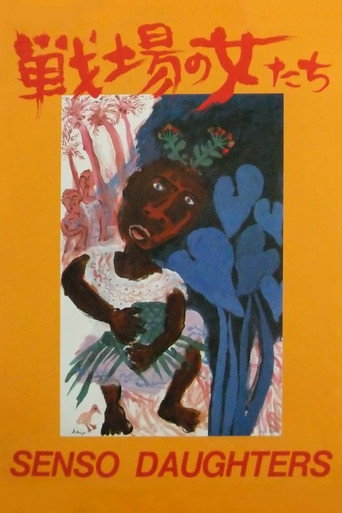
Senso Daughters focuses on the legacy of the Japanese occupation of Papua New Guinea during the Second World War. It is a legacy that arises from rape, starvation and terror. Sekiguchi's documentary lets the residents of Papua New Guinea, especially the women, tell the story of their three years under Japanese Army rule.
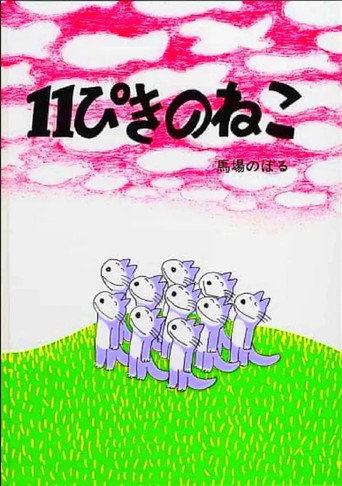
Based on the children's book, a gang of eleven cats, exiled for stealing and sharing a fish, believe to be on a quest for a grand fish of legend, unaware that the tale is made up. Will a lie turned dream become reality for our feisty felines?
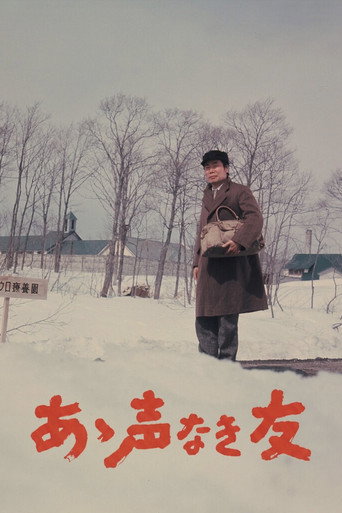
A man who survived the war carries the will of his comrades in arms, walking across the country visiting the bereaved families.
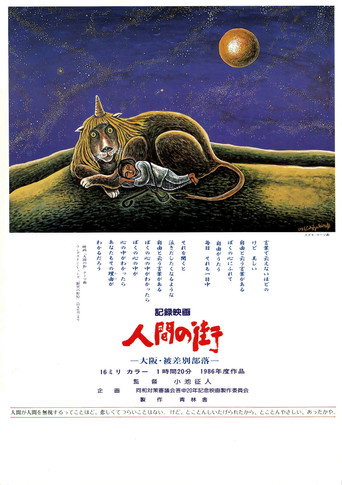
Interviews with Burakumin in Osaka, victims of discrimination
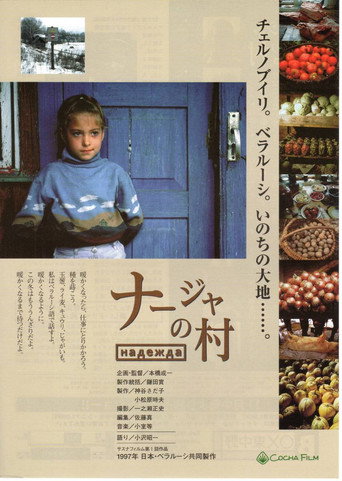
Before the Chernobyl disaster, Nadja's village was home to 300 peasant families. After evacuation, only 6 households remain and access to the village is shut off. The remaining villagers continue to raise livestock, cultivate crops, and continue with their lives regardless of contamination.