Hichem Rostom Movies, TV Shows, and Filmography
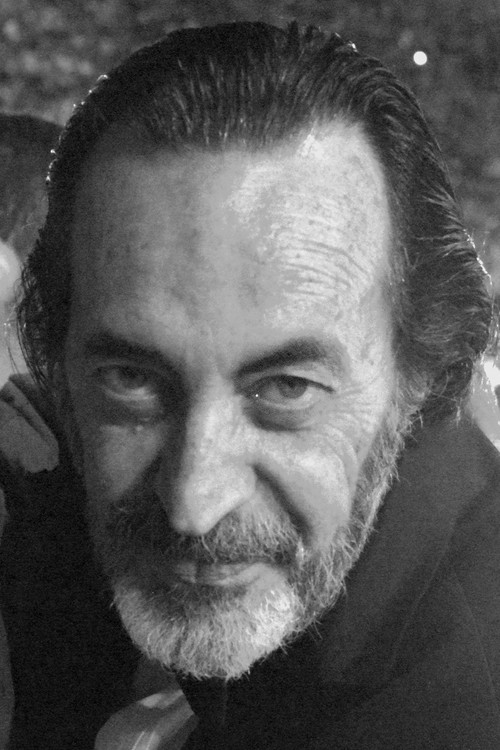
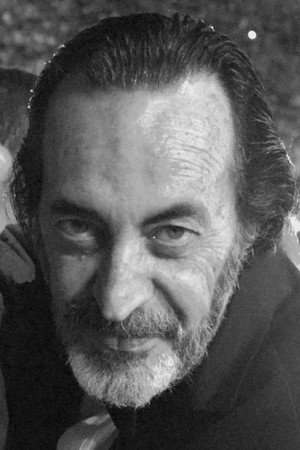
Hichem Rostom
Acting
Biography
Hichem Rostom (26 May 1947 – 28 June 2022) was a Tunisian actor. He appeared in more than 70 films and television shows since 1987. He starred in Golden Horseshoes, which was screened in the Un Certain Regard section at the 1989 Cannes Film Festival. He also directed the Carthage Theatre Festival for two sessions. Description above from the Wikipedia article Hichem Rostom, licensed under CC-BY-SA, full list of contributors on Wikipedia.
Filmography Movies
Acting
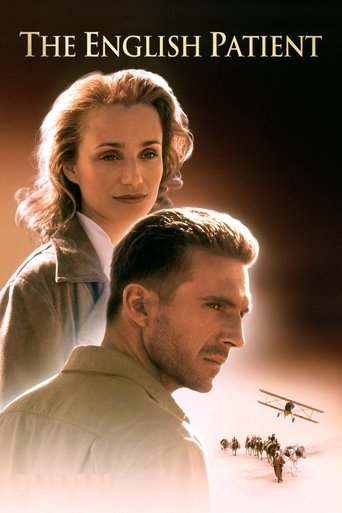
The English Patient
In the 1930s, Count Almásy is a Hungarian map maker employed by the Royal Geographical Society to chart the vast expanses of the Sahara Desert along with several other prominent explorers. As World War II unfolds, Almásy enters into a world of love, betrayal, and politics.
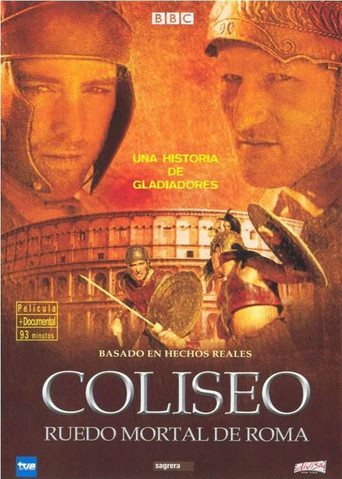
Colosseum - Rome's Arena of Death
Colosseum: Rome's Arena of Death aka Colosseum: A Gladiator's Story is a 2003 BBC Television docudrama which tells the true story of Verus a gladiator who fought at the Colosseum in Rome.
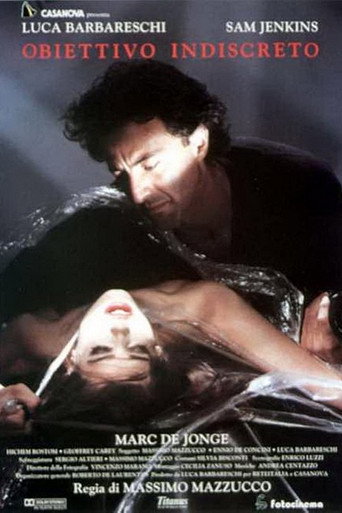
Obiettivo indiscreto
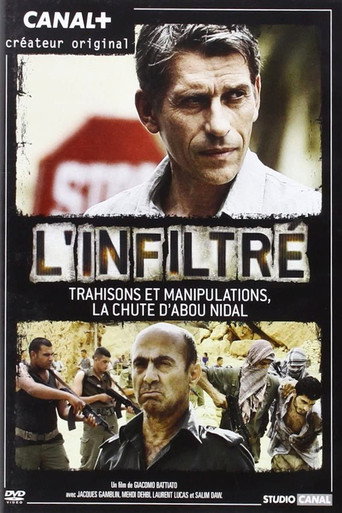
L'Infiltré
A notorious French ex-felon becomes an informant and infiltrates a Mexican drug cartel.
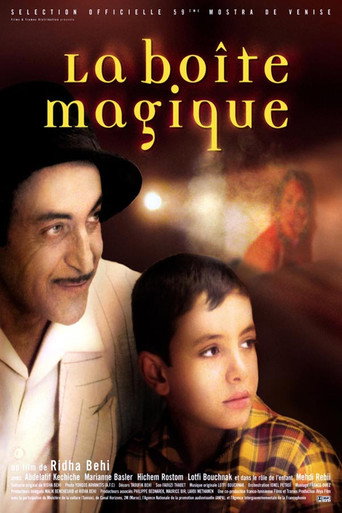
The Magic Box
Over forty and in a bit of a midlife crisis, Tunisian film director Raouf is prone to excessive drinking when not engaged in an argument with his French-born wife Lou (Marianne Basler). One respite to Raouf's dreary life is a recent film assignment -- to shoot an autobiographical film about his childhood. While working on the script, Raouf recalls his childhood home life under the strictures instituted by his devoutly religious father. The polar opposite of Raouf's father was his uncle Mansour, a jolly, life-loving soul who introduced Raouf to cinema through his work as a wandering film projectionist, which angered and shocked his father to no end but proved to be the most pivotal development in the youngster's life. Through cinema, Raouf found his place in this world and came-of-age -- something he may have to revisit in his adult life if he wishes to salvage his marriage.
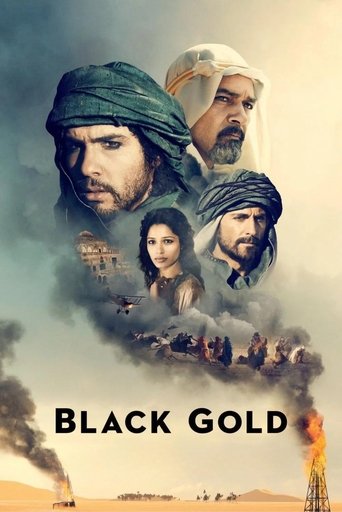
Black Gold
On the Arabian Peninsula in the 1930s, two warring leaders come face to face. The victorious Nesib, Emir of Hobeika, lays down his peace terms to rival Amar, Sultan of Salmaah. The two men agree that neither can lay claim to the area of no man’s land between them called The Yellow Belt. In return, Nesib adopts Amar’s two boys Saleeh and Auda as a guarantee against invasion. Twelve years later, Saleeh and Auda have grown into young men. Saleeh, the warrior, itches to escape his gilded cage and return to his father’s land. Auda cares only for books and the pursuit of knowledge. One day, their adopted father Nesib is visited by an American from Texas. He tells the Emir that his land is blessed with oil and promises him riches beyond his wildest imagination. Nesib imagines a realm of infinite possibility, a kingdom with roads, schools and hospitals all paid for by the black gold beneath the barren sand. There is only one problem. The precious oil is located in the Yellow Belt.
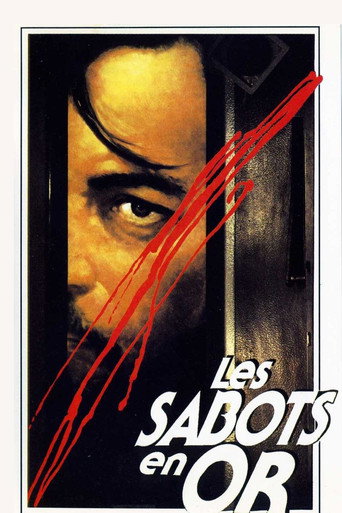
Golden Horseshoes
Youssef Soltane, a 45-year-old Tunisian intellectual, is the product of a generation that lived the era of euphoria and great ideologies in the sixties, and their subsequent failure. He was incarcerated and tortured for his political opinions. Furthermore, his relationship with Zineb, a young, beautiful bourgeois, only brings him more trouble. During one long winter night, Youssef wanders in search of an emotional haven, prey to all the questions that flood his memory.
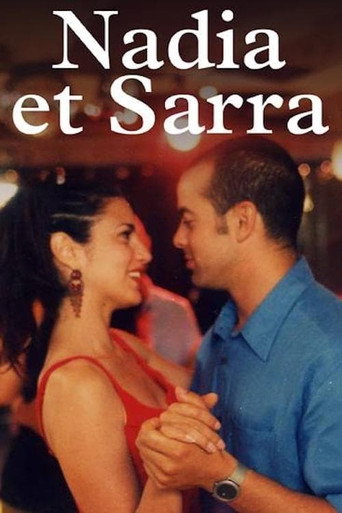
Nadia and Sarra
Nadia is a 45 year old female professor at the University of Tunis. She is married and has a daughter of 18, Sarra. For some time, Nadia has problems in her marriage also symptoms of menopause are inseparable. The physical and psychological state deteriorates inexorably Nadia.
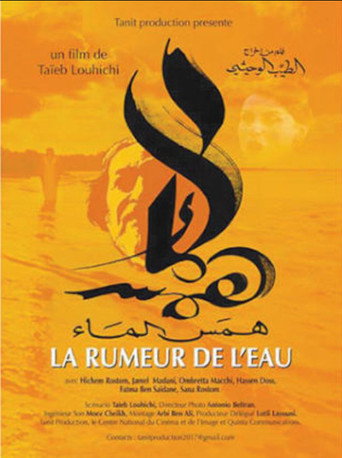
Water Rumours
The return of an exiled man, tormented by his past, a lover and a militant. The director, returns to bring up the spirit of The Opera Didon and Aeneas of Purceil that he had to abandon 25 years ago. It is also a chronicle of the daily life and place of the new opera, Sidi Bou Said, after the Tunisian revolution.
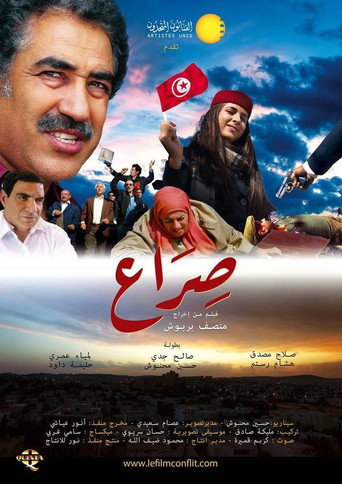
Conflict
The movie is about the subject of arrests and different forms of repression, physical and moral torture, that were faced by the Islamist opponents of Ben Ali's Regime and their families.
Gallery