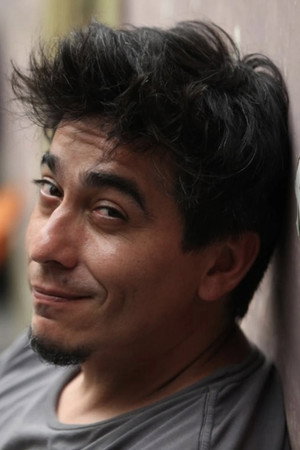
Hernán Jabes Movies, TV Shows, and Filmography
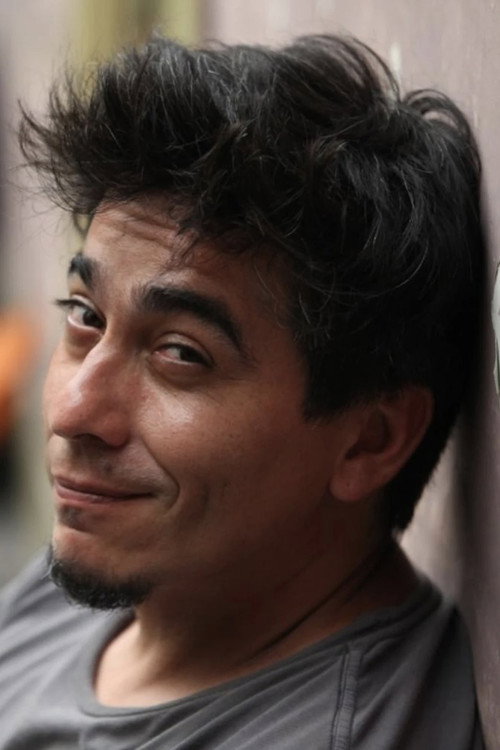
Hernán Jabes
Directing
Biography
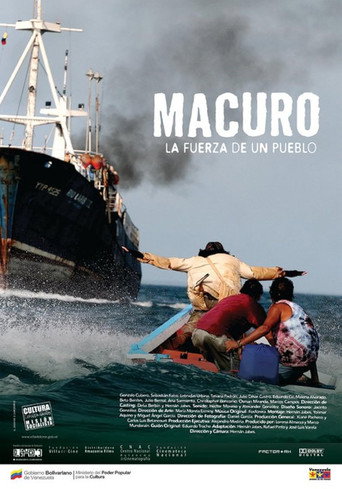
Hernán Jabes (born in Santiago de Chile) is a Venezuelan filmmaker. He began directing commercials. He ventured into film with the documentary Expresión, which chronicles the 1997 Caracas International Theater Festival. He has also directed short fiction films. He is a founding partner of Factor RH Producciones. A filmmaker with over 15 years of experience, he has worked in various audiovisual fields. Some of his most notable works include music videos for Dermis Tatú, "Terrenal" (1996), Ilan Chester's "Himno Nacional de Venezuela" (1997), Sur Carabela "Lejos de aquí" (2001), Famasloop "De fuego en fuego" (2009), and Onechot "Rotten Town" (2010). In 2008, he directed his first feature film, Macuro, which has won several national and international awards. Next up is Rock, Paper, Scissors, which won five awards at the 2013 Mérida Film Festival and was selected as an Academy Award nominee for Best Foreign Language Film by a jury composed of members of the National Association of Film Authors.
Filmography Movies
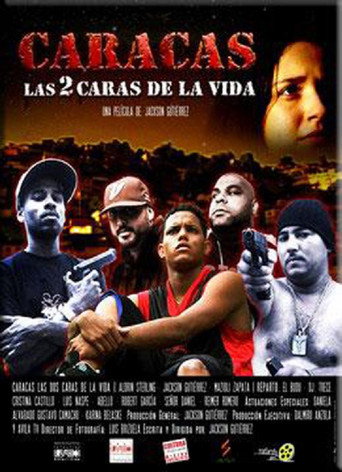
Production

Jezabel
Four upper-class high school students live carefree between drugs, games and love until one of the girls, Eli, is brutally killed. Sixteen years later, the memory of the crime torments Alain, another member of the group.
Jezabel
Four upper-class high school students live carefree between drugs, games and love until one of the girls, Eli, is brutally killed. Sixteen years later, the memory of the crime torments Alain, another member of the group.
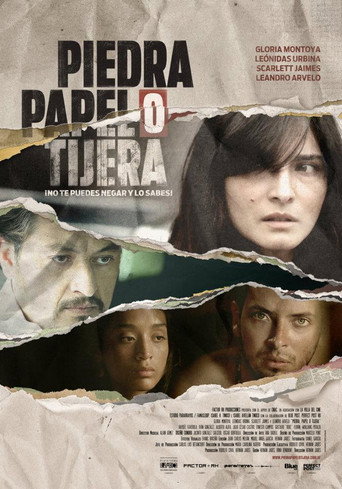
Rock, Paper, Scissors
The chance of an innocent child's game will unveil a betrayal that will forever change the lives of two families when their paths cross, endangering what they love the most, in a city that does not give them a truce.
Rock, Paper, Scissors
The chance of an innocent child's game will unveil a betrayal that will forever change the lives of two families when their paths cross, endangering what they love the most, in a city that does not give them a truce.

Los 10 de C4
The Venezuelan group C4 Trío celebrated its tenth anniversary in 2015, and recorded with some of the most respected names in Venezuela to celebrate the occasion.
So you don't forget
Carmen, a woman in her twenties, records videos every day for her deceased mother. As a way of processing her absence, she captures what remains of their relationship in the echoes of daily life. One day, a new neighbor moves in next door — Carita, a 10-year-old girl, along with her mother, Amalia, who has begun to show signs of memory loss. Carita also records videos every day, but hers are for a father she has never met. From the very beginning, Carmen and Carita spy on each other through their cameras, building a silent bond. One night, Carita discovers a hole in the closet of her room. When she crawls through it, she finds herself inside Carmen’s apartment.
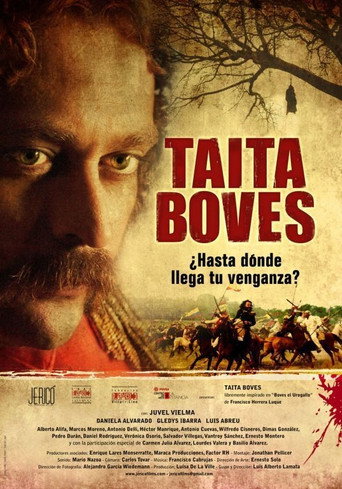
Taita Boves
TAITA BOVES chronicles a thirst for revenge that devastated a country. It tells the true story of Jose Tomás Boves, a cruel man who became a legend during the Venezuelan War of Independence, the most violent in the Americas. He went from seafarer to pirate, horse smuggler to prosperous merchant, prisoner to military chief. Spanish by birth, he spearheaded a grass roots troop of slaves, mulattoes, Indians and mestizos that crushed Simón Bolívar and his patriot army. Respectfully referred to as "Taita" by them, he fought for the underprivileged and the poorest of the poor, and curtailed three centuries of order in this colonial region. This film is about his passions and power, his loves and misadventures, and a bloody saga that rocked Venezuela.
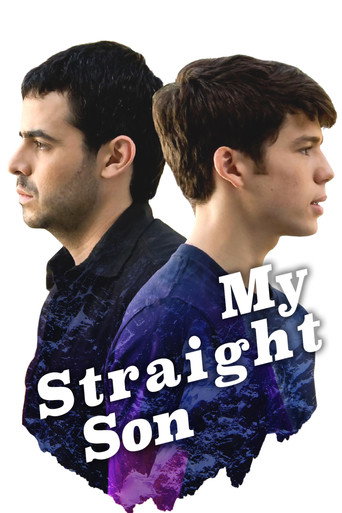
My Straight Son
The story of Diego, a young and successful photographer that lives in the glamorous world of fashion, shallowness and excess. A tragic accident turns his world around; his partner is now in a coma. Unexpectedly, and right at this terrible time, Diego must take care of his son, Armando. Now, both of them have to adapt to each other; Armando to the unknown, homosexual world of his father, and Diego to the closed attitude of his teenage son.
Gallery