Hermione Farthingale Movies, TV Shows, and Filmography
Hermione Farthingale
Acting
Biography
Hermione Farthingale is an actress and dancer. She was born Hermione Dennis and grew up in Edenbridge, Kent. Her father was a solicitor. When Farthingale was training to be a ballet dancer, she was a student of the British dancer Lindsay Kemp. She eventually became a classically trained ballet dancer. Farthingale was a dancer for the company Kemp Theatre Group in London. After becoming a trained dancer, she aspired to be an actress. Her debut was in 1969 in the film Dancing Shoes. Farthingale first met English singer David Bowie in late 1967 in one of Lindsay Kemp’s dancing classes. They both starred in the BBC play The Pistol Shot. They began a relationship shortly afterwards and two weeks later they were living in a flat in South Kensington, London, together. Farthingale, Bowie and guitarist John Hutchinson formed a group named Feathers; between September 1968 and early 1969 the trio gave a small number of concerts combining folk, Merseybeat, poetry, and mime. Hutchinson wrote in his autobiography that he thought the band was a matching “set of three”. A photo of the band was taken by Clive Arrowsmith and was later published in article written by Sheila More titled “The Restless Generatoon:2” which included interviews by the band members in The Times on 11 December 1968. In 1969, Farthingale ended the relationship with Bowie and focused on starring in the film Song of Norway. After the break-up, Bowie wrote the song “Letter to Hermione” to express his feelings which was recorded on his David Bowie (1969 album). Bowie commented about the song: I once wrote a letter I never sent to Hermione, who was a dancer with the Lindsay Kemp mime company. I thought I’d record it instead and send her the record. I think she’s in Greenwich Village now. She is believed to be the “girl with the mousy hair on” Bowie’s song Life on Mars. Also, she is credited for his song An Occasional Dream.
Filmography Movies
Acting
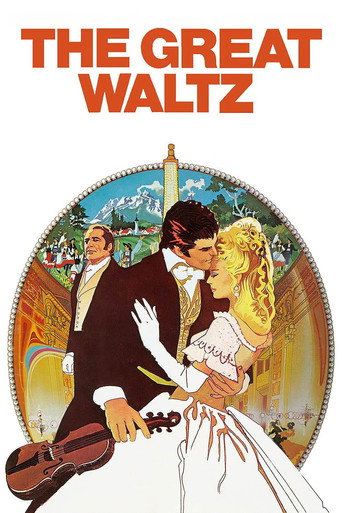
The Great Waltz
A musical based on the life and music of Johann Strauss, Jr.

Oh! What a Lovely War
The working-class Smiths change their initially sunny views on World War I after the five boys of the family witness the harsh reality of trench warfare.
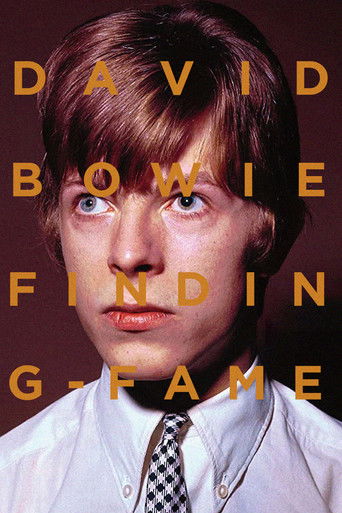
David Bowie: Finding Fame
Coming 50 years after the release of Space Oddity, the 90-minute film explores the Bowie before Ziggy Stardust, following the period from 1966 when he changed his name from David Jones to Bowie. It includes footage from the BBC Archives including footage of a BBC audition in 1965 of David Bowie and the Lower Third, which included a performance of Chim-Chim-Cheree and Baby That's A Promise.
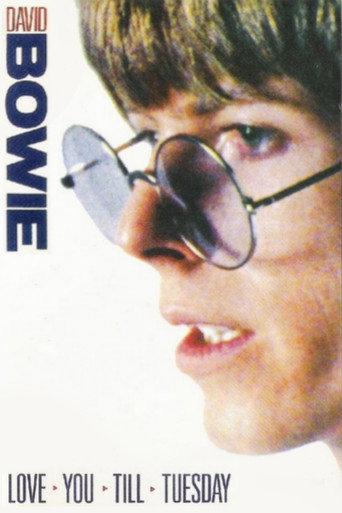
David Bowie: Love You Till Tuesday
Love You till Tuesday was a promotional film designed to showcase the talents of David Bowie, made in 1969. The film was the latest attempt by his manager, Kenneth Pitt, to bring Bowie to a wider audience. Pitt had undertaken the film after a suggestion by Gunther Schnedier, producer of German TV show '4-3-2-1 Musik Für Junge Leute' for the ZDF network.