Directing
No biography available.
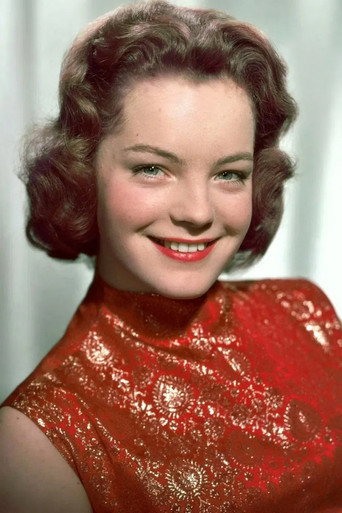
The camera loved her face, it was made for close-ups. And Romy Schneider loved and needed the camera - the film camera as well as the cameras of photographers and paparazzi. Julia Benkert's cinematic exploration of Romy Schneider's many faces shows that the actress's fascinating camera presence has lost none of its intensity even 27 years after her death - regardless of whether she was stylized as a veiled bride and glamorous diva, as in the French film "L'enfer" (1964), or whether she exposed herself to the camera without make-up, as in Hans Jürgen Syberberg's documentary "Portrait of a Face" (1966). Without make-up and in close-up, she talks about her fears and doubts - to this day, the film is an authentic testimony to Romy Schneider's deep inner turmoil. Her husband Harry Meyen had it extensively censored because he thought his wife was too sad.
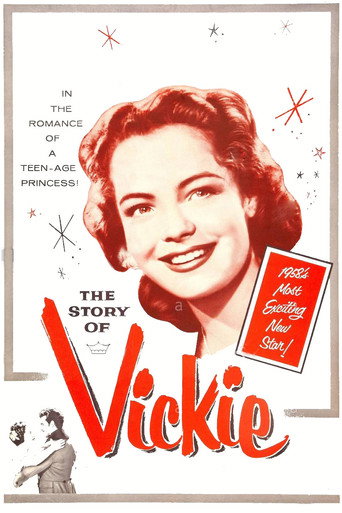
Vickie, short for Victoria, is crowned Queen of England and as such needs to learn the responsibilities of her new post.
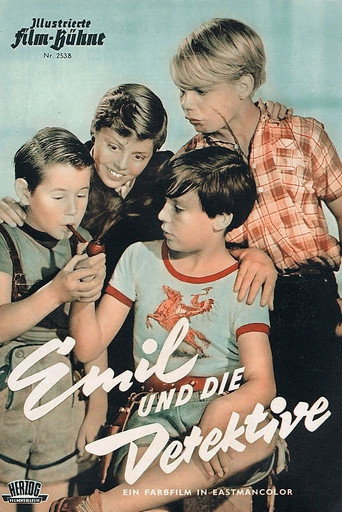
Emil goes to Berlin to see his grandmother with a large amount of money and is offered sweets by a strange man that make him sleep. He wakes up at his stop with no money. It is up to him and a group of children to save the day.
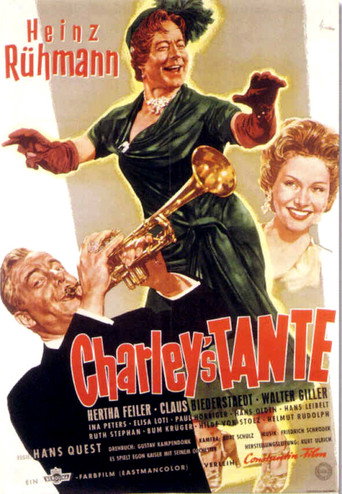
Otto Dernburg is forced by circumstances to dress up as a middle-aged woman.
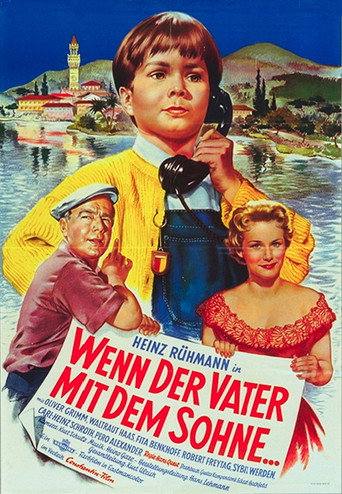
After Clown Teddy lost his son, he lost his gift for laughter. He opened a joke shop and lives above the shop. His landlady has had a foster son since birth, and Teddy decides to raise the child, who always believed that Teddy was his father. When the mother suddenly appears five years later and wants her son, Teddy decides to run away with the child and goes back onstage with his son. Will the family catch up with them, or will the mother never get her son back?
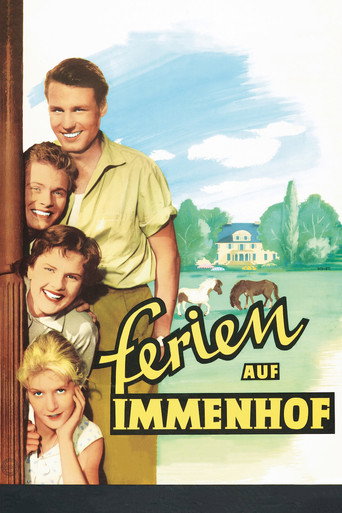
The pony hotel has just been opened, but so far no guests have arrived. Dick gets Ralf to design a brochure about the hotel. The girls and Ethelbert then lead the village children on horseback to Lübeck, where they all distribute the brochure - not knowing that Dalli has added some embellishments to the text.
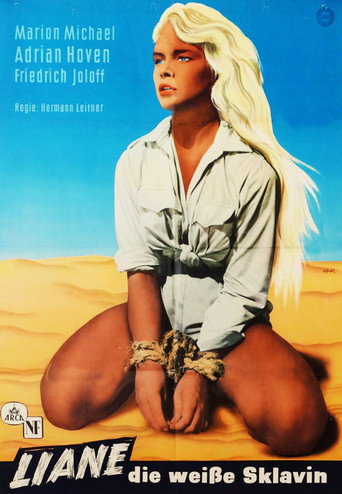
The sequel to 1956's "Liane, Jungle Goddess" finds the title character still a jungle goddess, but captured by slave traders.