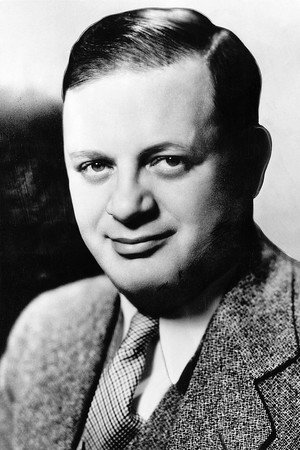
Herman J. Mankiewicz Movies, TV Shows, and Filmography
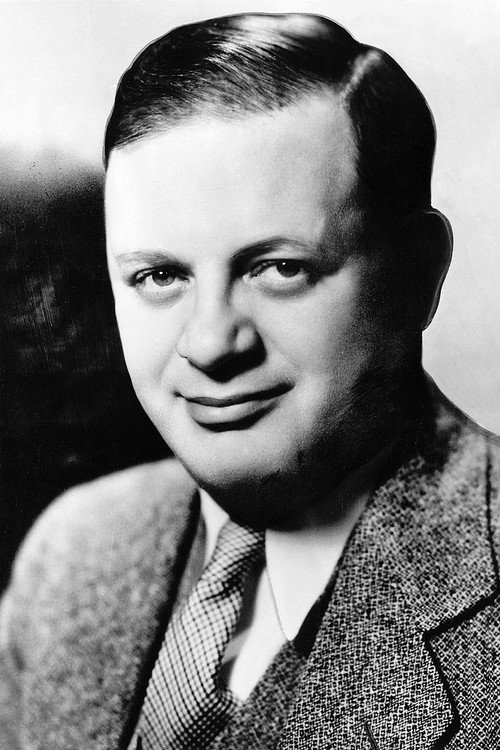
Herman J. Mankiewicz
Writing
Biography
Herman Jacob Mankiewicz (November 7, 1897 – March 5, 1953; New York City) was an American screenwriter, who, with Orson Welles, wrote the screenplay for Citizen Kane (1941). Earlier, he was the Berlin correspondent for the Chicago Tribune and the drama critic for The New York Times and The New Yorker. Alexander Woollcott said that Herman Mankiewicz was the "funniest man in New York". Both Mankiewicz and Welles received Academy Awards for their screenplay. Mankiewicz's younger brother was Joseph L. Mankiewicz (1909–1993), an Oscar-winning Hollywood director, screenwriter, and producer. His nephew Tom Mankiewicz (1942 – 2010) was also a screenwriter and director. He was often asked to fix the screenplays of other writers, with much of his work uncredited. Occasional flashes of what came to be called the "Mankiewicz humor" and satire distinguished his films, and became valued in the films of the 1930s. The style of writing included a slick, satirical, and witty humor, which depended almost totally on dialogue to carry the film. It was a style that would become associated with the "typical American film" of that period. Among the screenplays he wrote or worked on, besides "Citizen Kane", were "The Wizard of Oz", "Man of the World", "Dinner at Eight", "Pride of the Yankees", and "The Pride of St. Louis". Film critic Pauline Kael credits Mankiewicz with having written, alone or with others, "about forty of the films I remember best from the twenties and thirties. ... he was a key linking figure in just the kind of movies my friends and I loved best.". Mankiewicz was an alcoholic. Ten years before his death, he wrote: “I seem to become more and more of a rat in a trap of my own construction, a trap that I regularly repair whenever there seems to be danger of some opening that will enable me to escape. I haven’t decided yet about making it bomb proof. It would seem to involve a lot of unnecessary labor and expense". A future Hollywood biographer went so far as to suggest that Mankiewicz’s behavior “made him seem erratic even by the standards of Hollywood drunks.” Herman Mankiewicz died March 5, 1953, of uremic poisoning, at Cedars of Lebanon Hospital in Los Angeles.
Filmography Movies
Acting
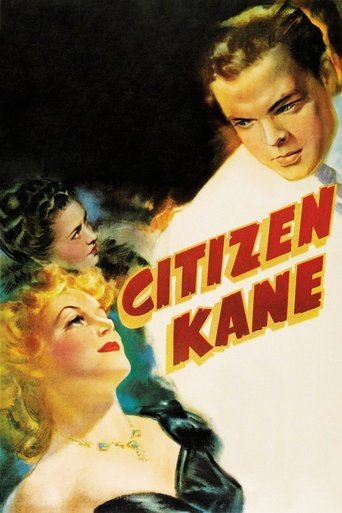
Citizen Kane
Newspaper magnate Charles Foster Kane is taken from his mother as a boy and made the ward of a rich industrialist. As a result, every well-meaning, tyrannical or self-destructive move he makes for the rest of his life appears in some way to be a reaction to that deeply wounding event.

The Mating Call
A World War I veteran takes on the Ku Klux Klan when he loses his wife to a womanizing Klansman. Preserved by the Academy Film Archive in partnership with University of Nevada, Las Vegas Foundation.
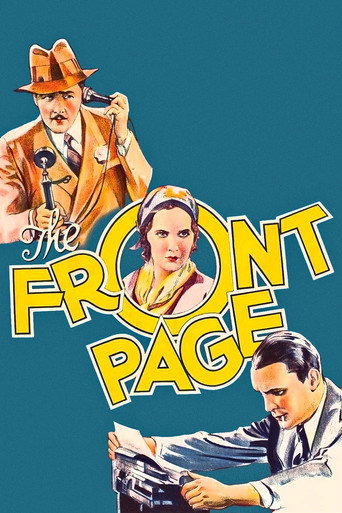
The Front Page
Hildy Johnson is an investigative reporter looking for a bigger paycheck. When an accused murderer escapes from custody, Hildy sees an opportunity for the story of a lifetime. But when he finds the criminal, he learns that the man may not be guilty. With the help of his editor, Hildy attempts to hide the convict, uncover the conspiracy and write the scoop of his career.
Mad Dog of Europe
A documentary exploring the 1933 screenplay of the same name by Citizen Kane co-writer Herman Mankiewicz, which warned of Adolf Hitler's rise to power, but was rejected by Hollywood studios at the time.
Production
Citizen Kane
Newspaper magnate Charles Foster Kane is taken from his mother as a boy and made the ward of a rich industrialist. As a result, every well-meaning, tyrannical or self-destructive move he makes for the rest of his life appears in some way to be a reaction to that deeply wounding event.
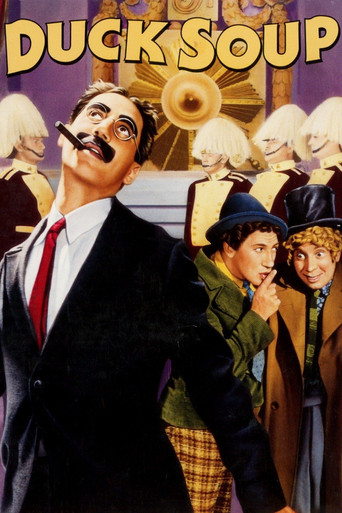
Duck Soup
Rufus T. Firefly is named president/dictator of bankrupt Freedonia and declares war on neighboring Sylvania over the love of wealthy Mrs. Teasdale.
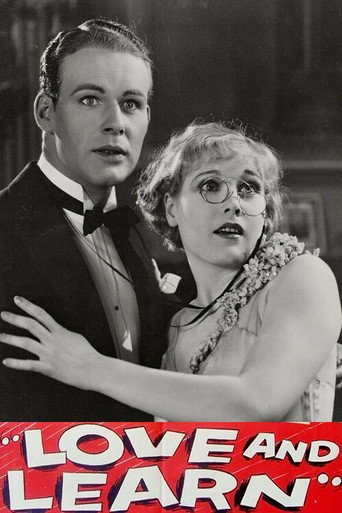
Love and Learn
In love with political candidate Anthony Cowles, heroine Nancy Blair gets wind of the opposition's scheme to ruin Cowles' reputation. At the risk of her own good name, Nancy decides to turn the tables on the crooked politicos by framing Cowles' opponent in a compromising situation. Things don't go quite as planned.

Christmas Holiday
A young femme fatale realizes that the man she married is an incorrigible wastrel.

Stamboul Quest
In 1915, German Counter-Intelligence Chief Von Sturm learns that someone is providing the British with critical strategic planning for the Turkish theater. He suspects Ali Bey, Turkish commander for the Dardanelles, and dispatches Annemarie to Constantinople to secure the proof. En route, she becomes involved with Douglas Beall, a footloose American. Complications ensue, requiring Annemarie to engage in some dangerous improvisations.

The Enchanted Cottage
A homely maid and a scarred ex-GI meet at the cottage where she works and where he was to spend his honeymoon prior to his accident. The two develop a bond and agree to marry, more out of loneliness than love. The romantic spirit of the cottage, however, overtakes them. They soon begin to look beautiful to each other, but no one else.
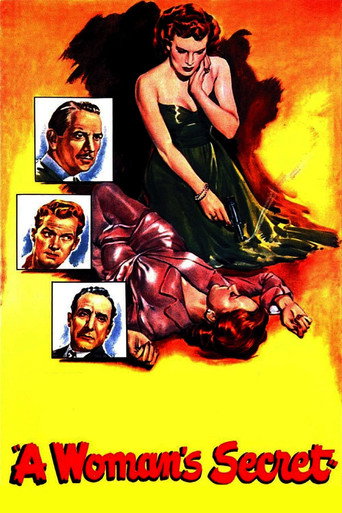
A Woman's Secret
A popular singer, Marian Washburn, suddenly and unexplainably loses her voice, causing a shake-up at the club where she works. Her worried but loyal piano player, Luke Jordan, helps to promote a new, younger singer, Susan Caldwell, to temporarily replace Marian. Susan finds some early acclaim but decides to leave the club after a few performances. Soon after Susan quits, she is gunned down, and Marian quickly becomes a suspect.
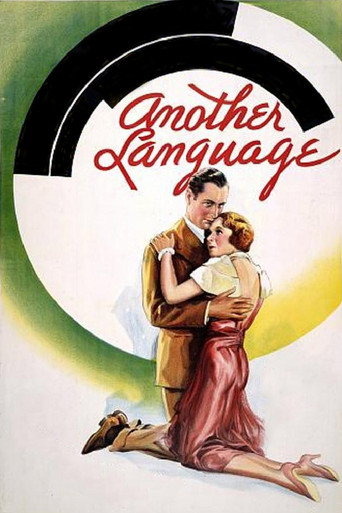
Another Language
A newlywed discovers that she and her husband's snobby family speak different languages.
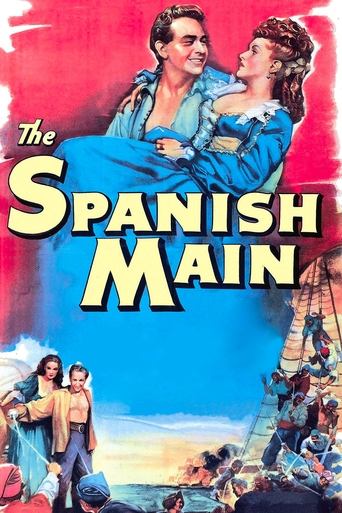
The Spanish Main
Laurent van Horn is the leader of a band of Dutch refugees on a ship seeking freedom in the Carolinas, when the ship is wrecked on the coast of Cartagene, governed by Don Juan Alvardo, a Spanish ruler. Alvarado has Laurent thrown in prison, but the latter escapes, and five-years later is a pirate leader. He poses as the navigator on a ship in which Contessa Francesca, daughter of a Mexican noble, is traveling on her way to marry Alvarado, whom she has never seen. Laurent's pirates capture the ship and Francesca, in order to save another ship, gives her hand-in-marriage to Laurent, who sails her to the pirate hideout. This irks his jealous pirate comrades Anne Bonney and Captain Benjamin Black. They overpower Laurent and send Francesca to Alvarado, and then Mario du Billar, a trusted right-hand man, makes a deal to deliver Laurent to Alvarado.
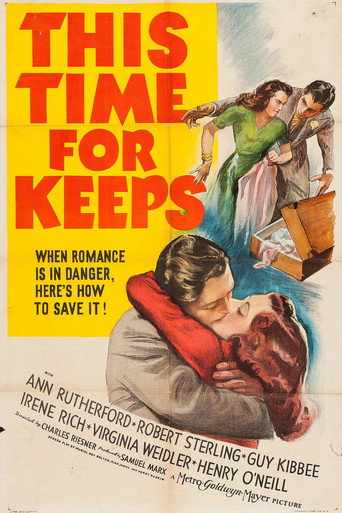
This Time for Keeps
A young newlywed (Robert Sterling) finds working for his nasty father-in-law difficult.
Gallery