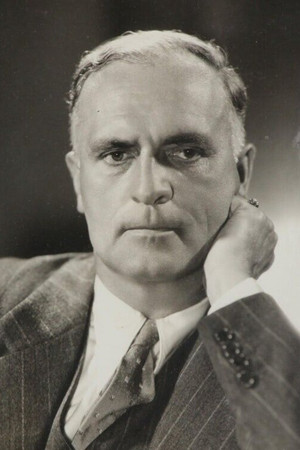
Herbert Stothart Movies, TV Shows, and Filmography
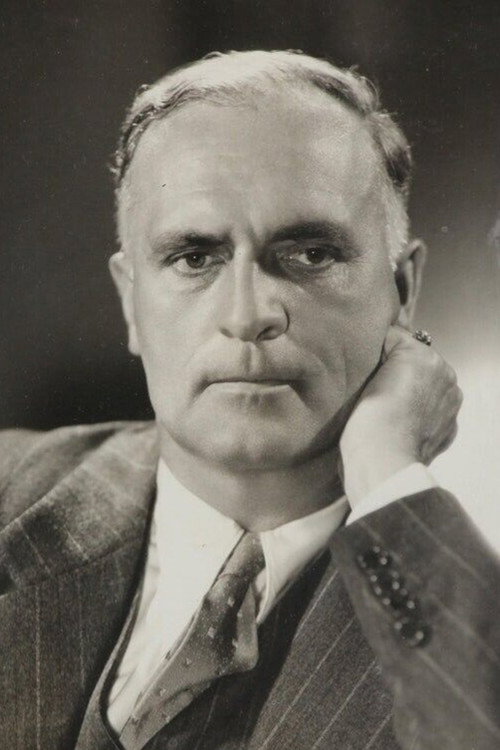
Herbert Stothart
Sound
Biography
From Wikipedia, the free encyclopedia Herbert P. Stothart (September 11, 1885 – February 1, 1949) was an American songwriter, arranger, conductor, and composer. He was also nominated for twelve Academy Awards, winning Best Original Score for The Wizard of Oz. Stothart was widely acknowledged as a member of the top tier of Hollywood composers during the 1930s and 1940s. Life and career Herbert Stothart was born in Milwaukee, Wisconsin. He studied music in Europe and at the University of Wisconsin–Madison, where he later taught. Stothart was first hired by producer Arthur Hammerstein to be a musical director for touring companies of Broadway shows, and was soon writing music for the producer's nephew Oscar Hammerstein II. He composed music for the famous operetta, Rose-Marie. Stothart soon joined with many famous composers including Vincent Youmans, George Gershwin and Franz Lehár. Stothart achieved pop-chart success with standards like “Cute Little Two by Four”, “Wildflower”, “Bambalina”, “The Mounties”, “Totem Tom-Tom”, “Why Shouldn’t We?”, “Fly Away”, “Song of the Flame”, “The Cossack Love Song”, “Dawn”, “I Wanna Be Loved by You”, “Cuban Love Song”, “The Rogue Song” and “The Donkey Serenade.” The year 1929 marked the end of the era of silent films. Shortly after completing his latest musical “Golden Dawn” with Oscar Hammerstein, Stothart received an invitation from Louis B. Mayer to move to Hollywood, which he accepted. In 1929, Stothart was signed to a large MGM contract. The next twenty years of his life were spent at MGM Studios, where he was part of elite group of Hollywood composers. Among the many films that he worked on was the famous 1936 version of Rose-Marie, starring Jeanette MacDonald and Nelson Eddy. He conducted and wrote songs and scores for the films The Cuban Love Song, The Good Earth, Romeo and Juliet, Mutiny on the Bounty, Mrs. Miniver, The Green Years and The Picture of Dorian Gray. His output included the Marx Brothers' Night at the Opera, the Leo Tolstoy romantic drama Anna Karenina, two Charles Dickens dramas (A Tale of Two Cities and David Copperfield), and Mutiny on the Bounty, which earned him his first Academy Award nomination. He won an Oscar for his musical score for the 1939 film The Wizard of Oz. Herbert Stothart spent his entire Hollywood career at MGM. In 1947, he suffered a heart attack while visiting Scotland, and afterwards, composed an orchestral piece (Heart Attack: A Symphonic Poem), based on his tribulations. He worked on another (Voices of Liberation), commissioned by Roger Wagner Chorale, when he died two years later at the age of 63.
Filmography Movies
Acting
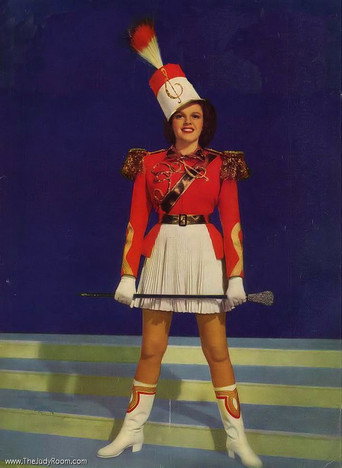
We Must Have Music
A short history of movie music is presented, from silent films accompanied by a single piano, to the elaborate song scores for musicals (with scenes from MGM's musicals) and background music for dramas. Conductor/composer
Cavalcade of the Academy Awards
This 1940 presentation features highlights of earlier (1928 onward) Oscar ceremonies including Shirley Temple and Walt Disney, plus acceptance speeches for films released in 1939 with recipients and presenters including Vivien Leigh, Judy Garland, Hattie McDaniel, Fay Bainter, Mickey Rooney, Thomas Mitchell, Sinclair Lewis, and more, with host Bob Hope.
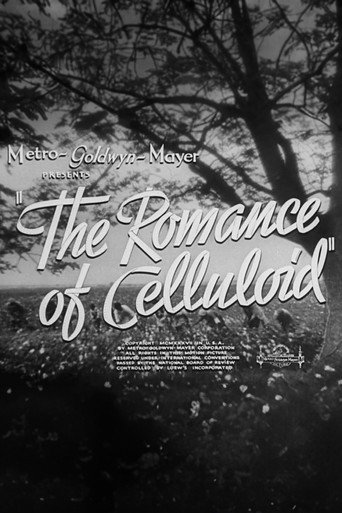
The Romance of Celluloid
Several behind the scenes aspects of the movie-making business, which results in the enjoyment the movie going public has in going to the theater, are presented. They include: the production of celluloid aka film stock, the materials used in the production of which include cotton and silver; construction crews who build sets including those to look like cities, towns and villages around the world; a visit with Jack Dawn who demonstrates the process of creating a makeup design; the screen testing process, where many an acting hopeful gets his/her start; the work of the candid camera man, the prying eyes behind the movie camera; a visit with Adrian, who designs the clothes worn by many of the stars on screen; and a visit with Herbert Stothart as he conducts his musical score for Conquest (1937). These behind the scenes looks provide the opportunity to get acquainted with the cavalcade of MGM stars and their productions that will grace the silver screen in the 1937/38 movie season.
Production
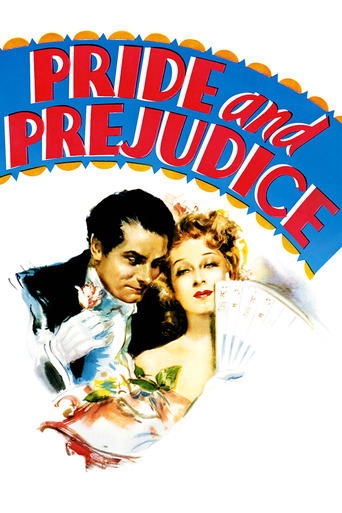
Pride and Prejudice
In early 19th century England, Mr and Mrs Bennet's five unmarried daughters vie for the affections of rich and eligible Mr Bingley and his status-conscious friend, Mr Darcy, who have moved into their neighbourhood. While Bingley takes an immediate liking to eldest daughter Jane, Darcy has difficulty adapting to local society and repeatedly clashes with second-eldest Elizabeth.
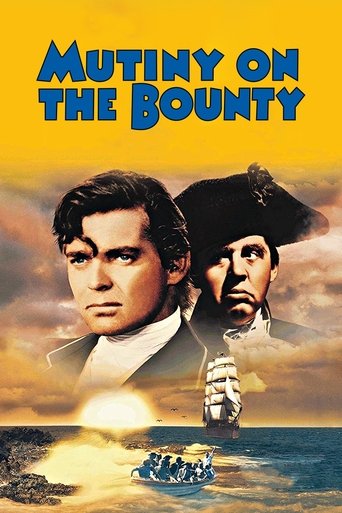
Mutiny on the Bounty
Fletcher Christian successfully leads a revolt against the ruthless Captain Bligh on the HMS Bounty. However, Bligh returns one year later, hell bent on revenge.
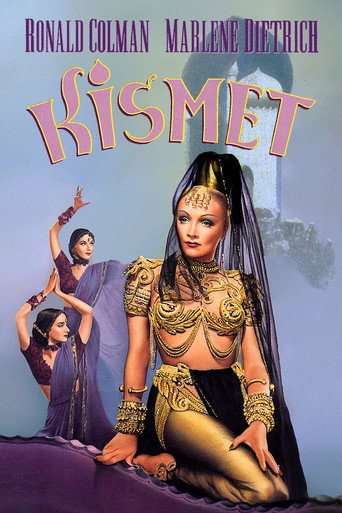
Kismet
Hafiz, a rascally beggar on the periphery of the court of Baghdad, schemes to marry his daughter to royalty and to win the heart of the queen of the castle himself.
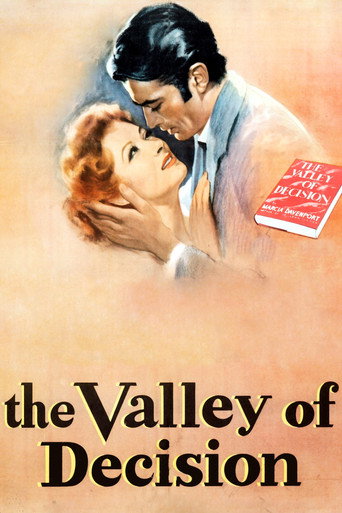
The Valley of Decision
Mary Rafferty comes from a poor family of steel mill workers in 19th Century Pittsburgh. Her family objects when she goes to work as a maid for the wealthy Scott family which controls the mill. Mary catches the attention of handsome scion Paul Scott, but their romance is complicated by Paul's engagement to someone else and a bitter strike among the mill workers.
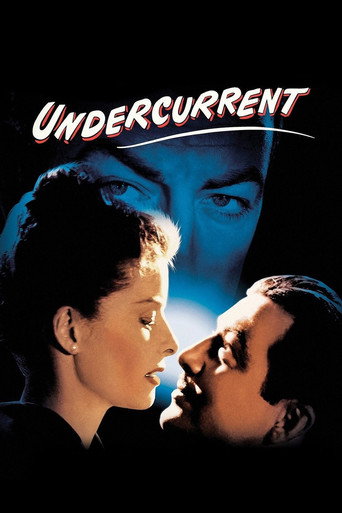
Undercurrent
After a rapid engagement, a dowdy daughter of a chemist weds an industrialist, knowing little of his family or past. He transforms her into an elegant society wife, but becomes enraged whenever she asks about Michael, his mysterious long-lost brother.
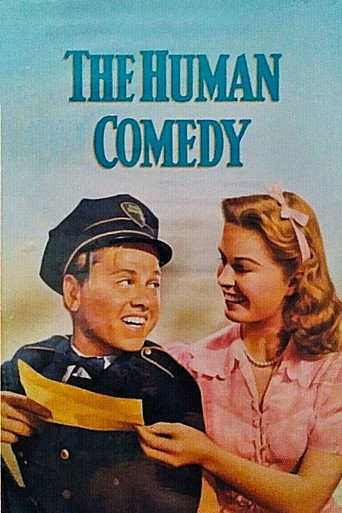
The Human Comedy
Teenager Homer Macauley stays at home in the small town of Ithaca, California to support his family while his older brother Marcus prepares to go to war.
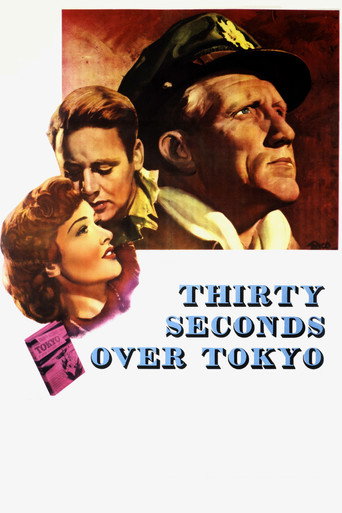
Thirty Seconds Over Tokyo
In the wake of Pearl Harbor, a young lieutenant leaves his expectant wife to volunteer for a secret bombing mission which will take the war to the Japanese homeland.
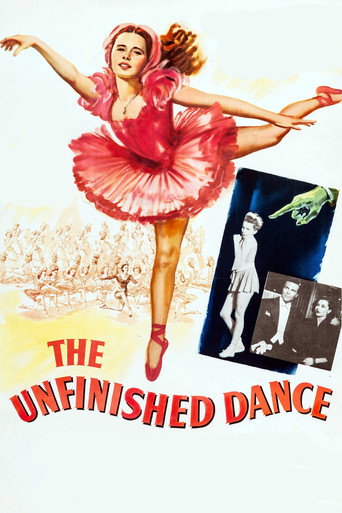
The Unfinished Dance
Meg, a young ballet student, idolizes the school's top ballerina, the shallow Ariane Bouchet. Meg is distressed when she learns visiting prima ballerina Darina rather than Bouchet will play the lead in the school's production of "Swan Lake." So on opening night, Meg arranges an accident which nearly kills Darina and ends her dancing career. As a result, Bouchet becomes a star, while Meg is torn with guilt. This is a remake of the 1937 French film "Ballerina", based on a short story by Paul Morand.
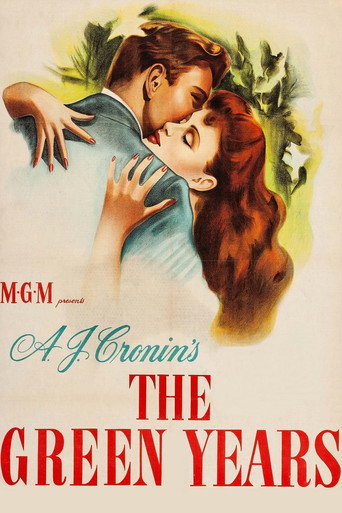
The Green Years
An orphaned young boy is guided by his great-grandfather and strives to go to university to become a doctor. However, the boy's harsh grandfather stands in his way.
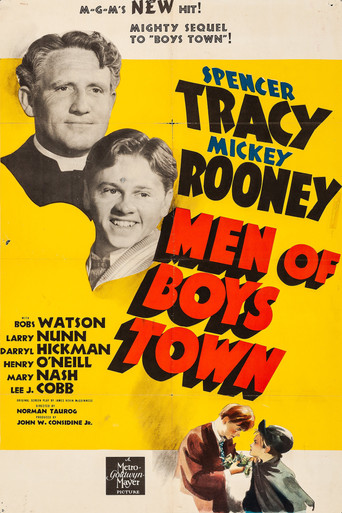
Men of Boys Town
Father Flanagan raises funds, helps a disabled boy, and saves an older boy from reform school.
Gallery