Acting
No biography available.
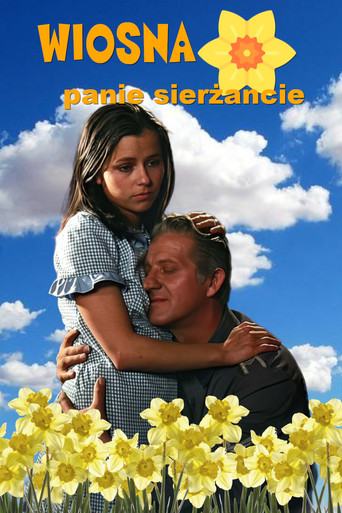
In Trzebiatów, a small town, there is an unusual bustle. A crowd of residents has gathered in the market square to welcome their beloved MO sergeant, Władysław Lichniak. The sergeant has just returned from his written high school final exam. The residents, who adore him, make sure he has the right conditions to study. They have limited their alcohol consumption and maintain order in the town themselves. Unfortunately, a fight breaks out and disturbs the sergeant's peace.
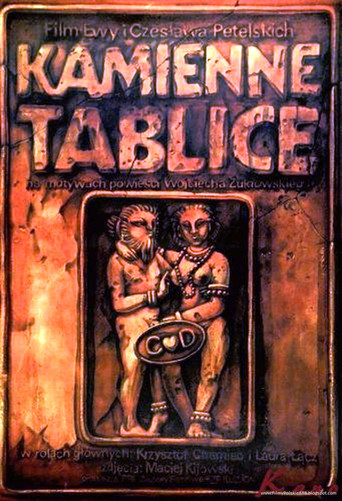
The film is set in 1956 in India. John Tokarski has an affair with the beautiful Margit . He is close to abandonment of wive and children, who were in the country. But one day, while in the cinema, he watches a newsreel of the shocking riots in Poznan. Deeply moved by the events that are taking place in the country John is faced with a fundamental problem of the determination of his own nationality.
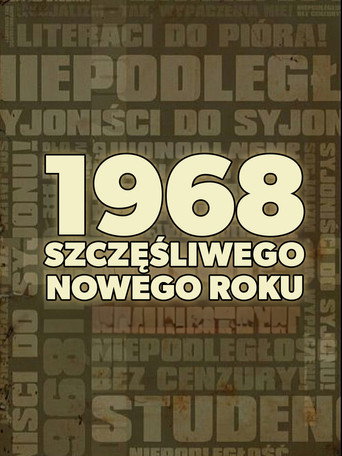
Spring of 1968, Warsaw. The fight for influence between top level Communist officials is the background to a developing love story between a young couple who are engaged in student protests. Both the young couple and their parents will pay a high price for their decisions, and their Jewish roots, which up until now seemed to have no meaning, but which will soon determine their fates.
Episodes of the Warsaw Uprising as reported by the insurgent radio station "Błyskawica," illustrated with archival photographs and photos of contemporary Warsaw. Professor Tomasz Strzembosz talks about the specifics of the insurgent struggle and the construction of the station's transmitter, which was constantly moved to different buildings in the city center during the fighting. The film attempts to show what "Błyskawica" meant to Home Army soldiers and the residents of Warsaw and recounts what the station reported on, namely the general situation in the city during the uprising, problems with weapons, food, and water, the insurgent postal service, the explosion of a tank trap, the work of ad hoc hospitals, teenage liaison officers and guides in the sewers, and the execution by the Germans of an entire unit that had surrendered.
A Polish writer is arrested by the Nazis in 1942 and sent to the notorious Pawiak prison in Warsaw. He will spend the next 111 days fighting for survival.
Jerzy and Zofia are offered a job in Africa. A married couple is faced with the dilemma of leaving or taking care of the man's mother and her sister.
In 1920s Poland, a police commissioner leads the investigation into a series of brutal murders of young boys as the case grows increasingly unsettling and personal.
Jacek, an angry drifter, murders a taxi driver, brutally and without motive. His case is assigned to Piotr, an idealistic young lawyer who is morally opposed to the death penalty, and their interactions take on an emotional honesty that throws into stark relief for Piotr the injustice of killing of any kind.
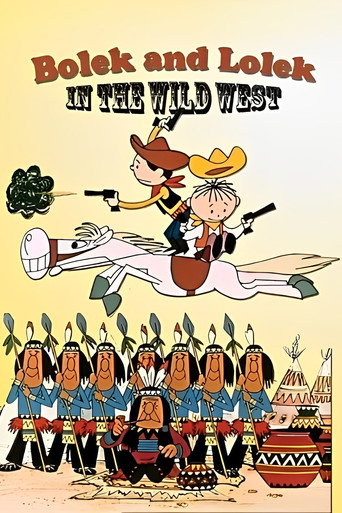
The dangerous thug Pif-Paf escapes from prison. Bolek and Lolek bravely chase after him through the prairie, canyons and rocky mountains.
A young Polish filmmaker sets out to find out what happened to Mateusz Birkut, a bricklayer who became a propaganda hero in the 1950s but later fell out of favor and disappeared.