Henry Koster Movies, TV Shows, and Filmography

Henry Koster
Directing
Biography
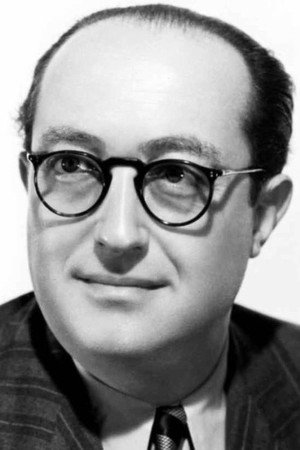
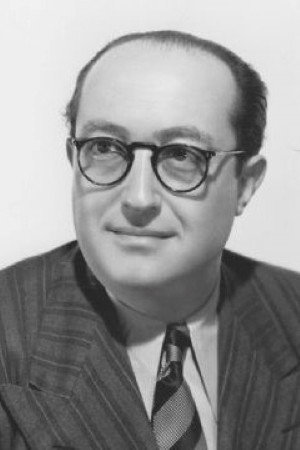
Henry Koster (May 1, 1905 – September 21, 1988), born Hermann Kosterlitz, was a German-born film director, who worked in Europe as well as in Hollywood. Although he never won an Oscar, Koster directed six different actors in Oscar-nominated performances. In 1932, Koster directed his first film in Berlin, the comedy Thea Roland. In the midst of directing his second film Das häßliche Mädchen, Jewish Koster had been the subject of antisemitism, and knew he had to leave the country. He left Germany for France, where he was rehired by director Curtis Bernhardt, who had also fled. Eventually Koster went to Budapest, where he met and married Kató Király in 1934. There he also met Joe Pasternak, who represented Universal in Europe, and directed three films for him. Through his friend Gabriel Levy he ended up directing Dutch sound film De Kribbebijter, released internationally as The Cross-Patch, which proved a success both in the Netherlands - where it played in cinemas for no less than seven years - and in the UK. Soon after, Koster signed a deal with Universal Pictures in Hollywood and moved to the United States. Although Koster did not speak English, he convinced the studio to let him make Three Smart Girls, for which he personally coached to-be star Deanna Durbin. This picture, a big success, pulled Universal out of bankruptcy. Koster's second Universal film, One Hundred Men and a Girl, also was successful. After this, Koster discovered Abbott and Costello at a nightclub in New York. He returned to Hollywood and convinced Universal to hire them. Their first picture was One Night in the Tropics; the female lead, Peggy Moran, became Koster's second wife in 1942. Ironically, despite Koster's escape from Nazi Germany, when the United States entered World War II Koster was considered an enemy alien and had to stay in his house in the evening. Actor Charles Laughton would visit Koster and play chess with him. Nonetheless, Koster's postwar career proved equally successful. He was nominated for an Academy Award for The Bishop's Wife (1947). In 1950, he directed his biggest success: the James Stewart comedy Harvey. He directed Richard Burton's first U.S. film, My Cousin Rachel, and then in 1953, he was given The Robe, the first CinemaScope film. His last picture was The Singing Nun in 1965. Koster retired to Leisure Village in Camarillo, California, where he painted a series of portraits of the movie stars with whom he worked.
Filmography Movies

Production

Liebfraumilch

Good Morning, Miss Dove
Miss Dove is a prim New England school teacher who is treasured by her students in the small town of Liberty Hill. When she falls ill, a kindly doctor, who is a former student of Miss Dove's, comes to her aid. As many of her pupils, present and past, come to see her in the hospital, they reveal how Miss Dove has greatly impacted their lives over the years. These visitors include a police officer, a playwright, a banker, a convict, and an unmarried mother.
Der Tunnel
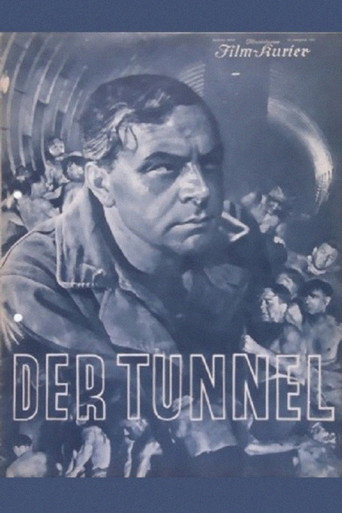
The engineer MacAllan designs a tunnel, which will join America and Europe together on the seabed. A group of American billionaires are financing the gigantic project, but the construction of the tunnel is proving to be as tedious as it is dangerous. MacAllan's worst enemy is the speculator Woolf, who had embezzled the money for the construction and who is attempting to cover up his crime by carrying out acts of sabotage. Also filmed in 1933 in a French-language version, LE TUNNEL, and remade in 1935 in England as TRANSATLATIC TUNNEL.
O. Henry's Full House
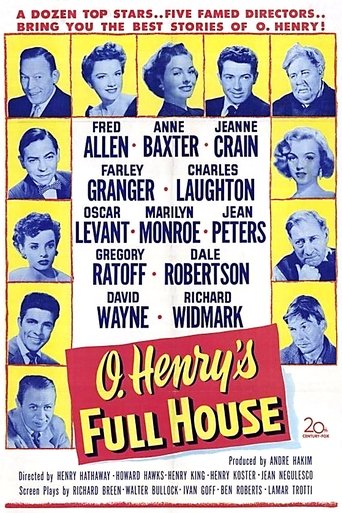
Five O. Henry stories, each separate. The primary one from the critics' acclaim was "The Cop and the Anthem". Soapy tells fellow bum Horace that he is going to get arrested so he can spend the winter in a nice jail cell. He fails. He can't even accost a woman; she turns out to be a streetwalker. The other stories are "The Clarion Call", "The Last Leaf", "The Ransom of Red Chief", and "The Gift of the Magi".
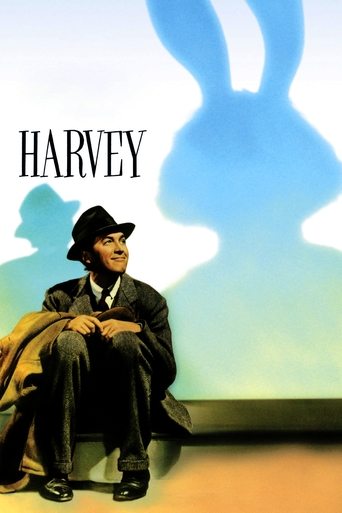
Harvey
The story of Elwood P. Dowd who makes friends with a spirit taking the form of a human-sized rabbit named Harvey that only he sees (and a few privileged others on occasion also.) After his sister tries to commit him to a mental institution, a comedy of errors ensues. Elwood and Harvey become the catalysts for a family mending its wounds and for romance blossoming in unexpected places.

Flower Drum Song
A young woman arrives in San Francisco's Chinatown, from Hong Kong, with the intention of marrying a rakish nightclub owner, unaware he is involved with one of his singers.
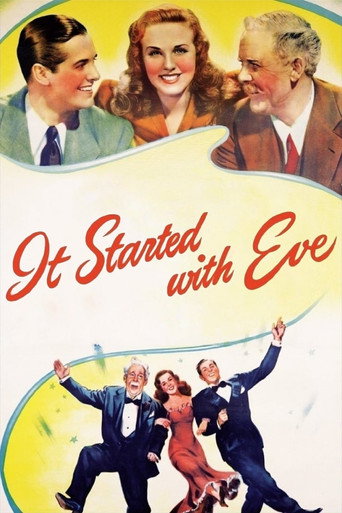
It Started with Eve
A young man asks a hat check girl to pose as his fiancée in order to make his dying father's last moments happy. However, the old man's health takes a turn for the better and now his son doesn't know how to break the news that he's engaged to someone else, especially since his father is so taken with the impostor.

The Inspector General
An illiterate stooge in a traveling medicine show wanders into a strange town and is picked up on a vagrancy charge. The town's corrupt officials mistake him for the inspector general whom they think is traveling in disguise. Fearing he will discover they've been pocketing tax money, they make several bungled attempts to kill him.
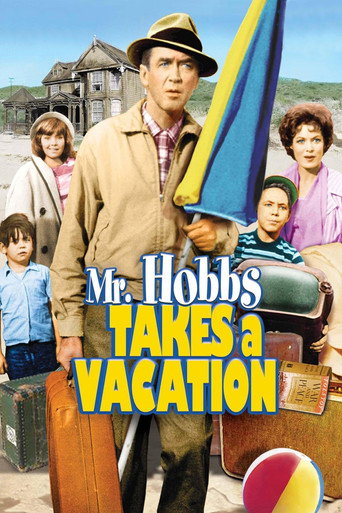
Mr. Hobbs Takes a Vacation
Banker Roger Hobbs wants to spend his vacation alone with his wife, Peggy, but she insists on a family vacation at a California beach house that turns out to be ugly and broken down. Daughter Katey, embarrassed by her braces, refuses to go to the beach, as does TV-addicted son Danny. When the family is joined by Hobbs' two unhappily married daughters and their husbands, he must help everyone with their problems to get some peace.
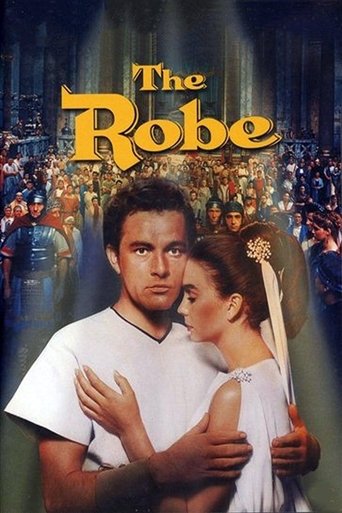
The Robe
Drunk and disillusioned Roman, Marcellus Gallio, wins Jesus' robe in a dice game after the crucifixion. Marcellus has never been a man of faith like his slave, Demetrius, but when Demetrius escapes with the robe, Marcellus experiences disturbing visions and feels guilty for his actions. Convinced that destroying the robe will cure him, Marcellus sets out to find Demetrius — and discovers his Christian faith along the way.
Gallery