Henry Houry Movies, TV Shows, and Filmography
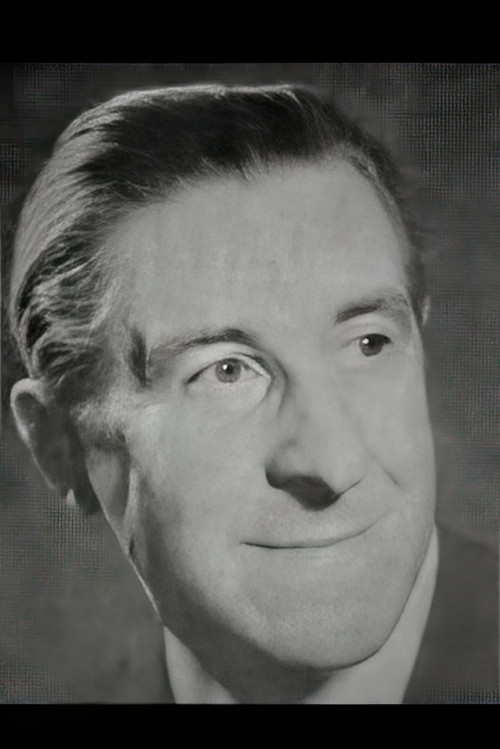
Henry Houry
Acting
Biography
No biography available.
Filmography Movies
Acting
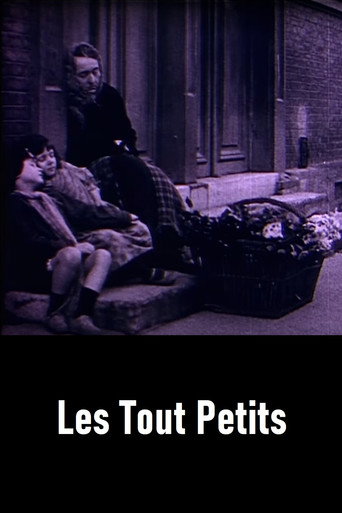
The Little Ones
When Pierre Dormain and his wife die in a train disaster, the custody of their children Simon and Dédée is transferred to their uncle Jean de Mareuil. The uncle is persuaded to let his servant’s mother take charge of their care. The money she receives for the care is spent entirely on alcohol and the children have to work hard for their meal. Eventually the children run away from home and roam the streets of Paris. When one of the children is seriously injured after an accident, the uncle finally realizes he has made a grave mistake.
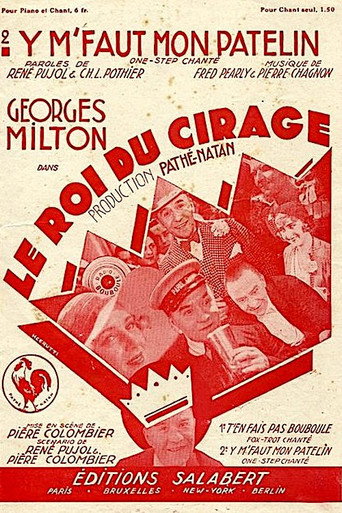
The King of Grease
Bouboule, a shoeshine boy at a Parisian train station, is about to discover a revolutionary shoe polish. Unfortunately, due to a series of misunderstandings, he loses his job. But at the same time, he wins a fabulous sum in the lottery. From then on, shoe polish is back in the spotlight…
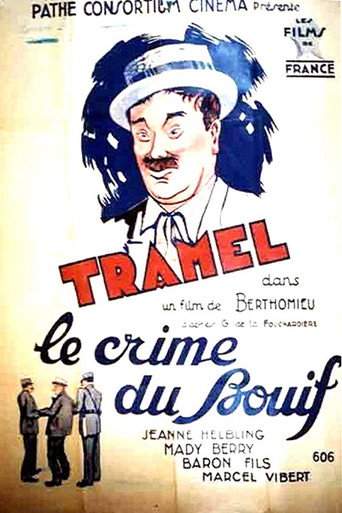
Le Crime du Bouif
Le Bouif is a popular figure on the Parisian racetrack. He has the patter, the aplomb, the bonhomie, which allows him to pass on indestructible pipes to the racegoers. The amazement is general when he is accused of murdering the person of his son-in-law and then suspected of having suppressed the owner of a stable. Faced with the stubbornness of the examining magistrate, but helped by sympathetic young people, the Bouif proves his innocence and, back on the lawn, measures his popularity.
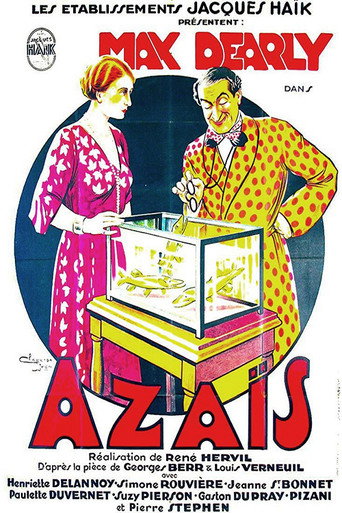
Azaïs
Remember when Julie Andrews in The Sound of Music says "Every time God closes a door, He opens a window?" Well, this is basically the same philosophy followed by a sage authority named Professor Azais. Though he is never seen in the film, Azais's influences dictates every move made by Le Baron Wurtz (Max Dearly), a private tutor. Though he suffers quite a few setbacks, Wurtz presses on, armed by the Azaiz philosophy that every time something goes wrong in one part of the world, it is balanced by something going right elsewhere. This "law of compensations" pays off in big laughs for the audience, and in a happy-ever-after for Wurtz. Azais was based on a play by Georges Berr and Rene Verneuil.
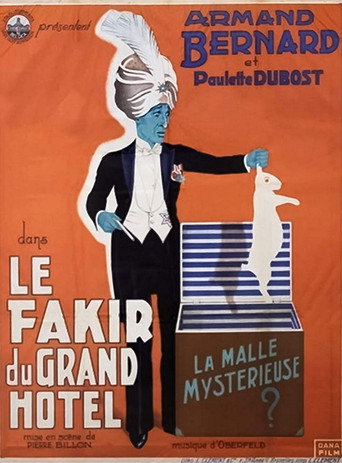
Le Fakir du Grand Hôtel
Démonio the fakir has impressed a rich but weak-willed young man who hires him as an energy teacher. Demonio drags out the businesses of the shy lover, but his partner arranges everything and the finally satisfied lover endows the two accomplices who renounce fakirism.
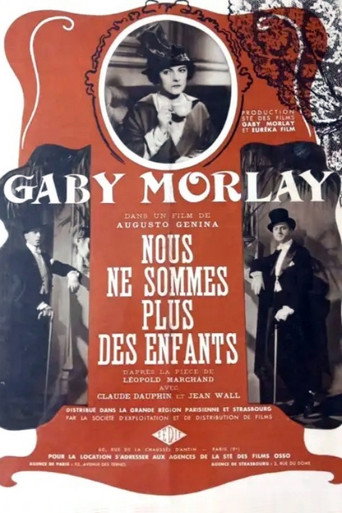
We Are Not Children
In the spring of 1913, Jean Servin, a son of a family, became friends with Roberte, a little midinette. He leaves her a few months later to marry Cécile Breton. The years go by. Jean becomes an important businessman. One evening, he meets Roberte, who has become the wife of a wealthy American. She does not love her husband any more than he loves his wife. They recall their memories. They seem to still love each other. They plan to rebuild their lives. Together, they will spend a few days in Dieppe, as they did in the past after their first meeting. They feel so different from what they were twenty years ago that they understand that the past cannot live again.
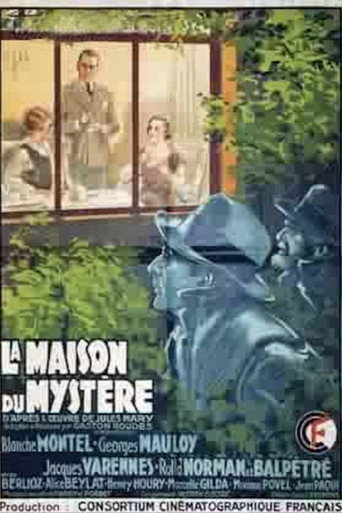
La maison du mystère
Julien Villandrit owns a textile factory whose manager, Henri Corrandi, is his childhood friend. Both love the same woman, Régine de Bettigny, who grants her hand to Villandrit. Mad with jealousy, Corradin will use all means to break up the couple: he does not hesitate to compromise Régine, to send Julien to prison for a crime he did not commit, to spread misfortune. But despite a long and painful separation, Julien and Régine will find each other, still bound by the same love.
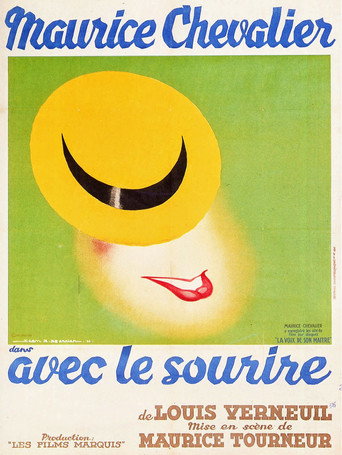
With a Smile
A tramp learns that even honesty won't help him overcome his struggles to prosper. After a man tells him that he needs to smile in order to succeed, he turns his attitude around and he becomes successful.

Mlle. Desiree
Julie and Désirée Clary are courted by the brothers Joseph and Napoleon Bonaparte. Joseph marries Julie and Napoleon is affianced to Désirée. When Napoleon breaks the engagement and marries Joséphine de Beauharnais, Désirée becomes involved with General Bernadotte.
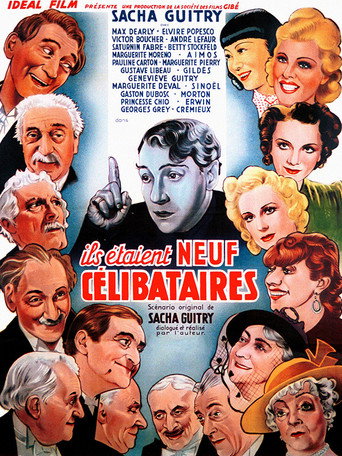
Nine Bachelors
Nine Bachelors is a 1939 French comedy film directed by Sacha Guitry and starring Guitry, Max Dearly and Elvire Popesco.[1] An opportunist dreams up a new scheme to make money when the French government passes a law forbidding foreigners from living in France. It's French title is Ils étaient neuf célibataires.
Production
The Little Ones
When Pierre Dormain and his wife die in a train disaster, the custody of their children Simon and Dédée is transferred to their uncle Jean de Mareuil. The uncle is persuaded to let his servant’s mother take charge of their care. The money she receives for the care is spent entirely on alcohol and the children have to work hard for their meal. Eventually the children run away from home and roam the streets of Paris. When one of the children is seriously injured after an accident, the uncle finally realizes he has made a grave mistake.
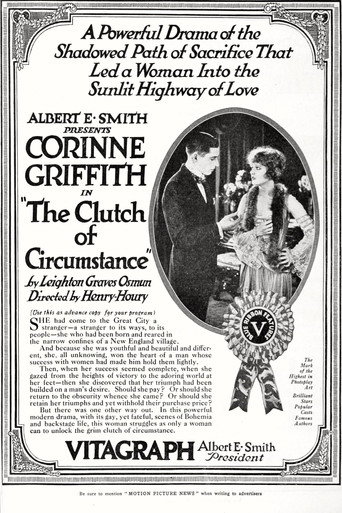
The Clutch of Circumstance
Businessman John Lawson is seriously injured in an accident, his wife Ruth travels from their New England village to New York to find a job that will support them both. Ruth works in a sweatshop at first, but then makes it big on Broadway.
Quand on aime
L'Infante à la rose
Tout se paie
Doctor Jean Corbières and Madeleine de Preuil love each other. But he learns that his parents payed his studies with the money they were given for an abandoned child years ago. Jean, profoundly ashamed, renounces his life with Madeleine and enters a convent to pay for his parents' sin.
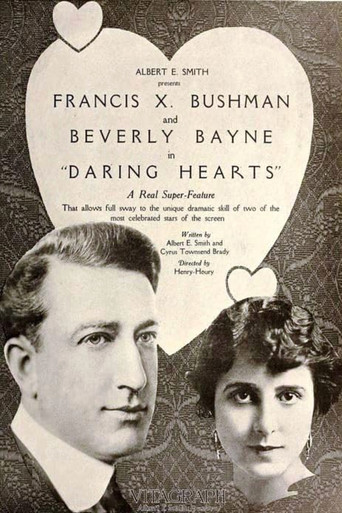
Daring Hearts
In the summer of 1914, Alsatian maiden Louise de Villars is attacked by two German soldiers. Hugh Brown, a visiting American, comes to her rescue and they fall in love. When war is declared, Hugh enlists in the French flying corps and shoots down thirty enemy planes. He is captured, but escapes with other prisoners while being transferred to another camp, and arrives at Louise's house to find camp commander, Baron Von Steinbach. To save Hugh from being executed, Louise offers herself to the lecherous Baron. Louise then kills him and escapes with Hugh to an American trench, where they are married by a chaplain on the final day of the war. Afterward, they leave Europe for Hoboken, New Jersey.
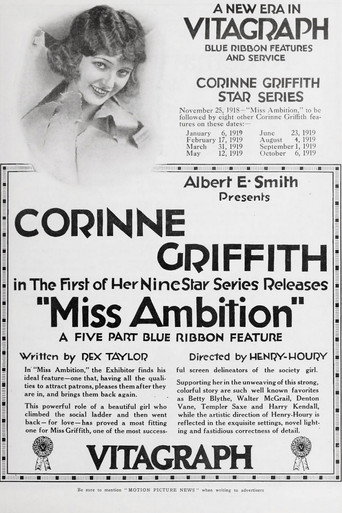
Miss Ambition
A beautiful and ambitious young woman leaves her boyfriend for a famous sculptor, and later--after she models for his statue "Miss Ambition"--marries an old but wealthy art collector. However, things don't turn out quite the way she planned.
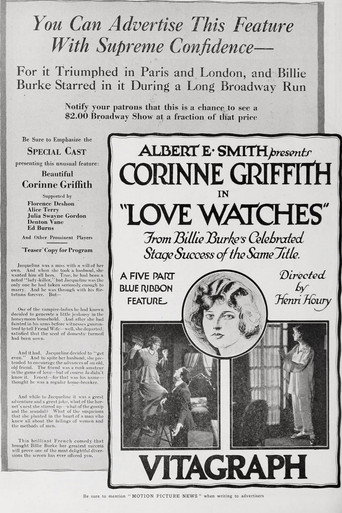
Love Watches
Glamorous and wealthy French woman Jacqueline Cartaret considers marrying Ernest Augarde, the harmless bookworm who adores her, but finally selects a dashing count, Andre De Juvigny. Lucia De Morfontaine, a beautiful widow who had an affair with Andre before his marriage, still loves the handsome count and pursues him so ardently that Jacqueline soon becomes convinced of her husband's unfaithfulness.
Gallery