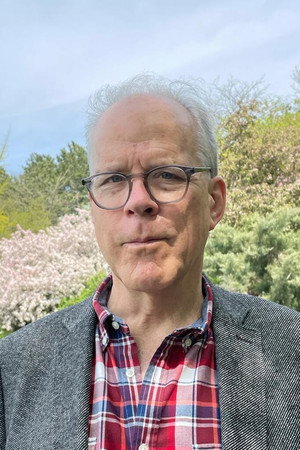
Henry Hills Movies, TV Shows, and Filmography
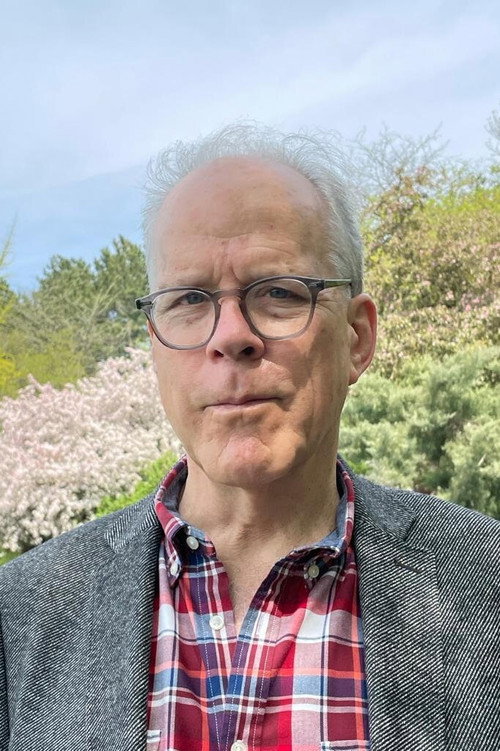
Henry Hills
Directing
Biography
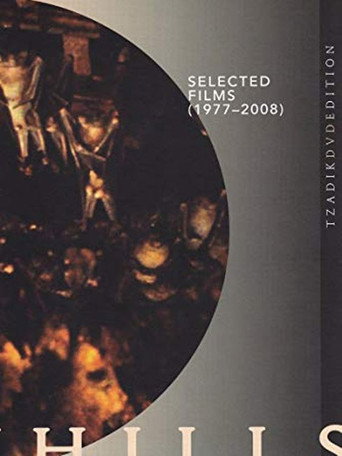
Henry Hills has made more than 30 experimental films and videos since 1975. He divides his time between New York, Vienna, & Porter Springs, GA. He is Visiting Professor at FAMU, the film academy in Prague; was a 2009 Guggenheim Fellow; and his work is in the permanent collection of the Museum of Modern Art. SELECTED FILMS 1977-2008 is available on DVD from Tzadik.
Filmography Movies
Acting
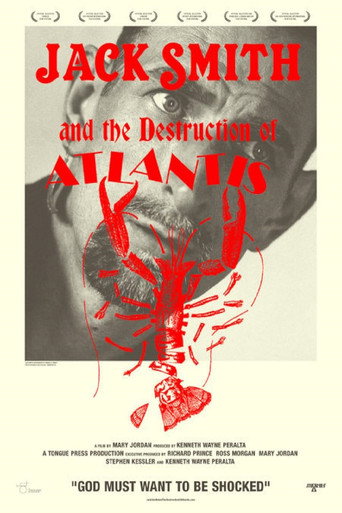
Jack Smith and the Destruction of Atlantis
In this entrancing documentary on performance artist, photographer and underground filmmaker Jack Smith, photographs and rare clips of Smith's performances and films punctuate interviews with artists, critics, friends and foes to create an engaging portrait of the artist. Widely known for his banned queer erotica film Flaming Creatures, Smith was an innovator and firebrand who influenced artists such as Andy Warhol and John Waters.
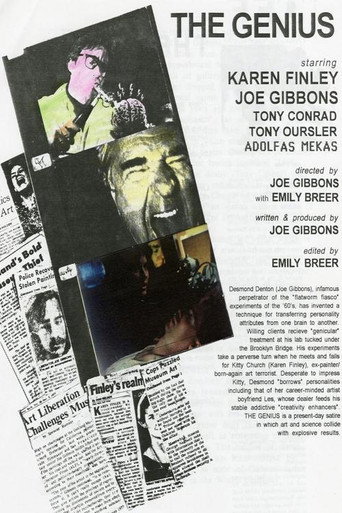
The Genius
A ramshackle underground SF satire set and shot in the self-absorbed art world of lower Manhattan, written, produced, and directed by Joe Gibbons, who also plays one of the lead parts. Gibbons plays a mad scientist who's developed a technique for transferring personalities from one person's body to another; he becomes obsessed with an outlaw artist (played by performance artist Karen Finley) who destroys paintings in various galleries as a form of anarchist, anticapitalist protest.
Heretic
Heretic is composed from the outtakes of Joe Gibbons's no-budget feature The Genius, set to John Zorn's Naked City "soundtrack" album Heretic, and recomposed as a satire on Psychotherapy. Features original narration performed by Frank Snider. A study of editing and its relation to the mechanics of the brain, HERETIC initially poses as a preview to the Gibbons film which it then deconstructs and reforms into a satire on psychotherapy.
Production
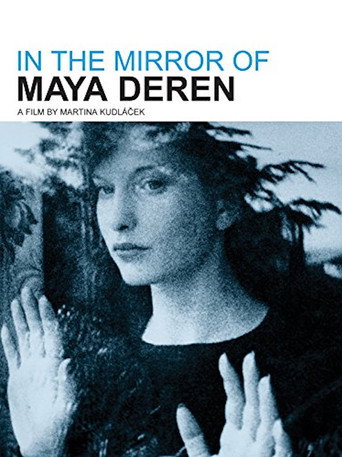
In the Mirror of Maya Deren
Documentary about the life of avant-garde filmmaker Maya Deren, who led the independent film movement of the 1940s.
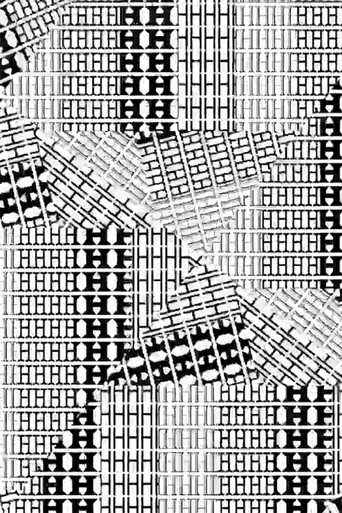
HHHH
Avoiding traditional narrative structures, all images revolve in one way or another around the letter H.
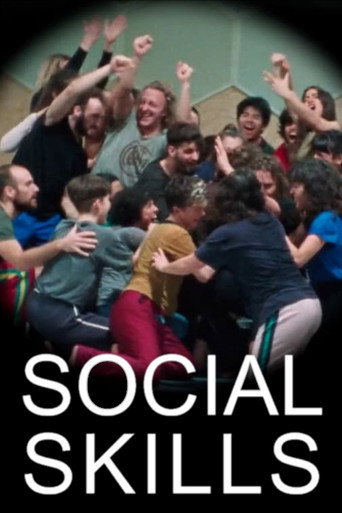
Social Skills
Henry Hills is among the film artists who, like filmmaker Abigail Child, marries frenetically fast image montage with split-second music and sound editing: the changes in rhythm and mood stream so fast they create a giddy delirium in the spectator. SOCIAL SKILLS provides Hills with the perfect subject: discontinuous fragments from a 60-day class in liberated body movement led by David Zambrano in Belgium. The soundtrack does the splits between disco funk and cartoon noise effects. Is it dance, childlike play, or the Utopian vision of a community of negotiated differences? It is all of these things at once.
Failed States
Boys love to spin until they collapse. Is the world then spinning out of control? Preparations for renegotiating the Nonproliferation Treaty.
Gotham
A film set to "Batman" by Naked City. Taking the band’s name and first album cover as a clue, Henry Hills drew heavily on themes in WeeGee’s photographs, recreating many of his pictures in their actual Lower East Side/Little Italy locations.
Porter Springs 4
A “remake” of my first film, Porter Springs 4 (1999) is composed from footage shot over 20 years (reversal, negative, 8 mm, super-8, 8mm video, mini-DV, & old photos), with an audio track composed from the video sync, ambient recordings, and a tape I made in highschool of my uncle telling stories and playing piano & of selections from his record collection that we listened to on family vacation in my childhood. My father growing old & feeble, my only footage of my dead sister and grandmother (Gonga) and of my log cabin (the Bug House) which was struck by lightning and burned to the ground in 1990, memories of my two ex’s, eternal nature, endless walks in the woods, building my new cabin and dream time there, the rotting boathouse, and various typical family scenes, assembled and presented in the rhythms of my mind and body. (Henry Hills)
Porter Springs 3
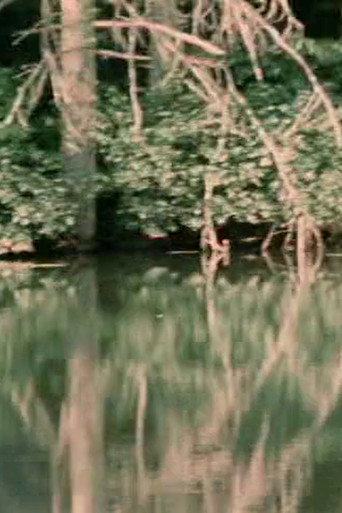
My first film (San Francisco, 1975) was Porter Springs, an exalted home movie shot on summer vacation in the North Georgia mountains at a place I have spent every August of my life including the month before I was born. The next summer I shot Porter Spring 2 (1976), focusing more formally on a few of the elements presented in the first film, and the following summer I made Porter Spring 3 (1977), my most “painterly” work, basically one image: reflections of trees on the lake broken by a line of waterlillies, an hallucinatory love poem (“elegant and serene experience” --Pat O’Neill).
Little Lieutenant
Little Lieutenant is a look back at the late Weimar era with its struggles and celebrations leading up to world war, a period piece. Scored to John Zorn's arrangement of the Kurt Weill song, "Little Lieutenant of the Loving God", and drawing its imagery both from the original song and its somewhat idiosyncratic rearrangement, the film presents an internal reading of Silvers' solo scored to the same musical piece, "Along the Skid Mark of Recorded History".
Arcana
A globally composed, musically arranged montage-round: so Henry Hills’s arcana appears to be, a fulminant 30-minute cut-up epic that takes footage – both found and shot by the filmmaker – and crosses it in an almost arithmetic manner with a pre-arranged soundtrack. The basis is a written film treatment of the musician John Zorn, in which 254 scenes, bundled into 15 sequences, are captured in short, sometimes cryptic descriptions. Hills, very much in the style of a Harry Smith or Bruce Conner, has collected takes of radically differing origin for each of the 254 script directions and funneled them into a complexly ramified stream of associations. The sequence of scenes is underscored, or rather, interlocked, with pieces from the John Zorn composition The Bribe (1986), a musical tribute to crime fiction writer Mickey Spillane.
Kino Da!
Kino Da! (1981) is a portrait of North Beach Communist cafe poet & gentle comrade, Jack Hirschman, editor of the “Artaud Anthology” (City Lights). Shot in sync with wind-up Bolex.
Gallery