Directing
No biography available.
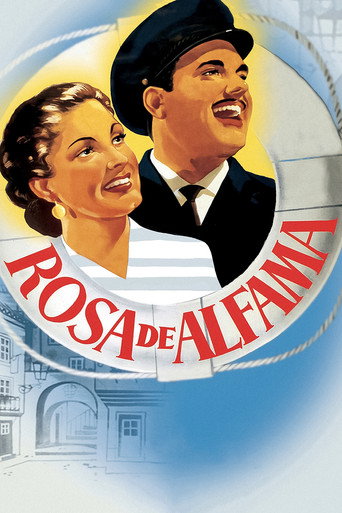
Rosa Maria, whose father is a sailor, was picked up by Tomé, having a child of her son Renato, who is expelled from home.
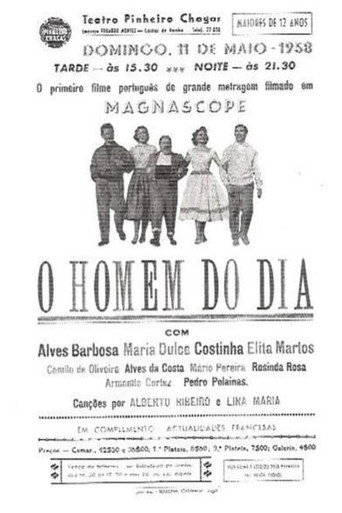
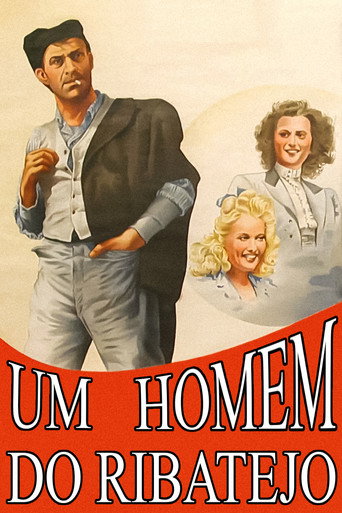
Tó and Pedro are cyclists from rival clubs, sponsored by small, highly competitive local companies: Famel (bicycles) and Caves (wines). Their competition extends to girls. Clara, the school teacher, ends up by marrying Tó, after he suffers a nasty accident which Pedro was involved - or that may have been Pedro's fault. 1 year later, it's again competition day when Clara gives birth to a son, and a similar head-to-head race finish...
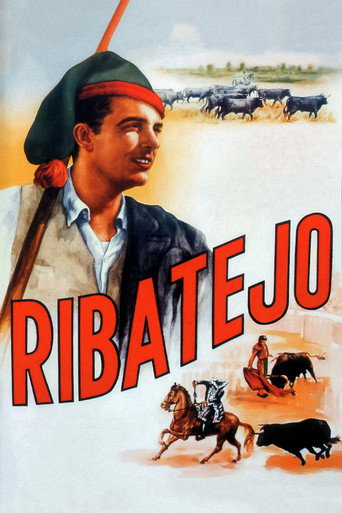
It is the story of two men in love with the same woman and fighting each other in and out of the arenas of bulls.
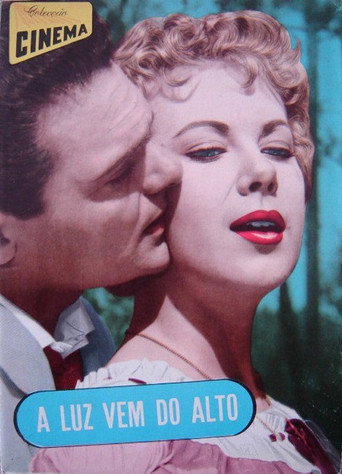
The struggle between two friends: one, symbolizes the deepest incredulity about religion; the other, priest Manuel, endures insults with stoic resignation, but doesn't give up on installing words of faith in the hope of recovering his soul for God. In a pathetic atmosphere, in which everyone defends the primacy of their beliefs, they feel surrounded by a bundle of circumstances linked to a secret of love, with an unexpected and disconcerting outcome ...
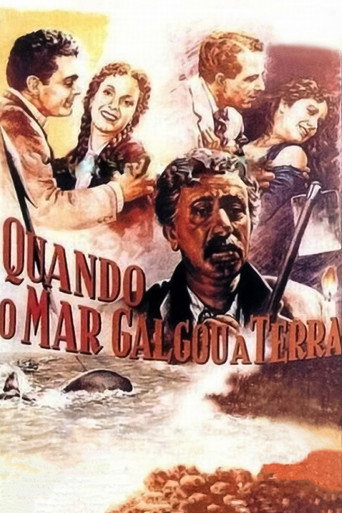
Passion and ambition interplay to bring dissention and tragedy into the home of an old fisherman married to a much younger woman.
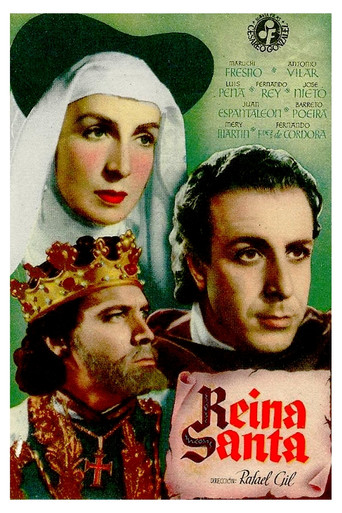
A virtuous Spanish princess becomes queen of Portugal, and soon is affected by the social struggles and the reckless fight to power between the king's faction and that of his son's.
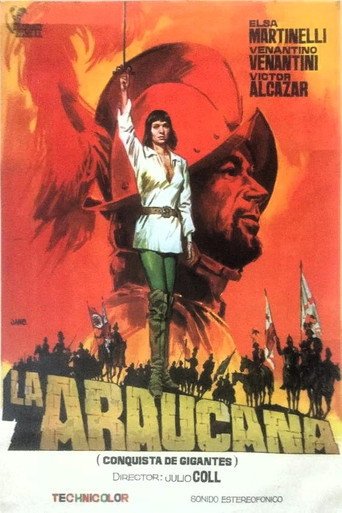
La Araucana is a Chilean film based on an epic poem in Spanish about the Spanish conquest of Chile, by Alonso de Ercilla; it is also known in English as The Araucaniad. It is considered the national epic of the Kingdom of Chile and one of the most important works of the Spanish Golden Age
After the brother's death by a bull, the "Bezoiro", Manuel refuses to succeed him as mayoral, the very day he marries Maria Loba.