Writing
No biography available.
A documentary to commemorate the 20th anniversary of the Faculty of Film and Television.
A memory capsule of the Academy as it is to us - skipping lectures, partying and discovering deep connections with fellow students.
At the beginning of the 1960s, when the French pioneers of cinéma vérité set out to achieve a new realism, and when direct cinema in Québec began to vie for notice, the Baltics wit-nessed the birth of a generation of documentarists who favored a more romantic view of the world around them. This meditative documentary essay – from a Latvian writer and Lithuanian director whose composed touch has long dovetailed with the stylistically diverse works of the Baltic New Wave – pushes adroitly past the limits of the common his-toriographic investigation to create a portrait of less-clearly remembered filmmakers. The result is a consummate poetic treatment of the ontology of documentary creation. Also a cinematic poem about cinema poets.
A film about the Skuodas motoball team "Bartuva".
A short movie about a summer adventures of a boy and his dog illustrated with a lot of documentary scenes about a life of a children in Lithuania during sixties.
This film details the dismantling of the old railway Siaurukas in Lithuania and the construction of its new modern replacement. The old railway and the new railway become the symbol of the clash between the archaic rural Lithuania and Soviet industrialization. The film was often considered as an expression of the archetypes of Lithuanian character.
A film about circus veterans. The main characters of the film are Barnabas, a power juggler, Jonas Ramanauskas, a folk artist of the LSSR, and Jadvyga Stankutė-Ramanauskienė, an acrobat. Both are long retired, but even in their cosy homes, their memories of the circus do not leave them, so the film recalls the interesting and sad history of Lithuanian circus.
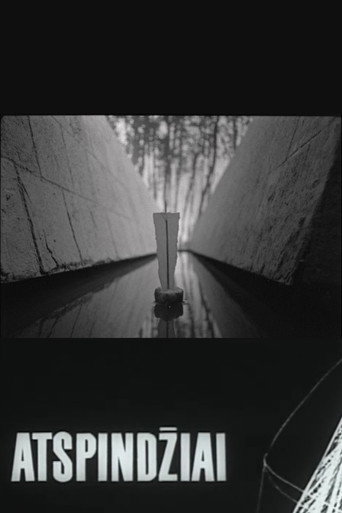
A surrealist etude that doesn’t have a clear narrative, and is courageous in its form, unusual in the context of Lithuanian cinema at the time.
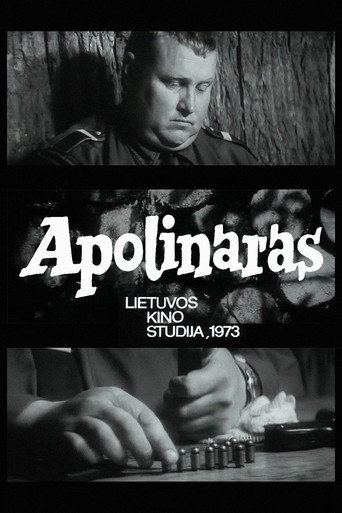
When Henrikas Šablevičius started filming Lithuanian “oddballs” – a professor, a fortune teller, racers, and many others who fell short of the concept of the “model citizen” – he invented a bizarre new genre of documentary biopic. Characteristic of these portraits is a sense of mocking irony directed not at their subjects (on the contrary, the filmmaker’s affection for them is palpable) but at the “Soviet hero” genre. The subject of this film is Apolinaras, a kindhearted policeman who even outwardly looks very unlike the ideological “guardian of morals.”.
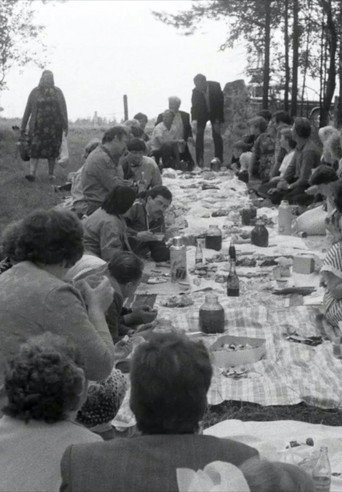
Glastnost and Lithuania’s eventual independence from the USSR open up the possibility of examining previously banned subjects: death, postwar resistance and – as in We Were at Our Own Field – the damage done by the Soviet occupation and the simple longing for home.