Henrik Galeen Movies, TV Shows, and Filmography
Henrik Galeen
Writing
Biography
No biography available.
Filmography Movies
Acting
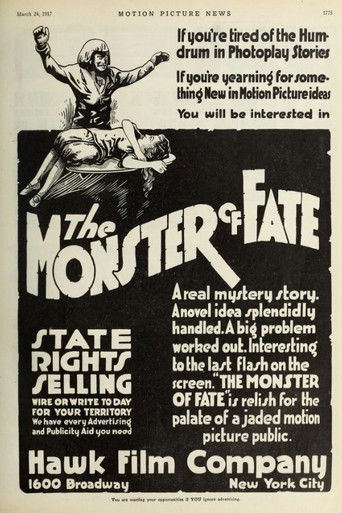
The Golem
This mostly lost film is often confused with director Paul Wegener third and readily available interpretation of the legend; Der Golem, wie er in die Welt kam (1920). In this version of the golem legend, the golem, a clay statue brought to life by Rabbi Loew in 16th century Prague to save the Jews from the ongoing brutal persecution by the city's rulers, is found in the rubble of an old synagogue in the 20th century. Brought to life by an antique dealer, the golem is used as a menial servant. Eventually falling in love with the dealer's wife, it goes on a murderous rampage when its love for her goes unanswered.
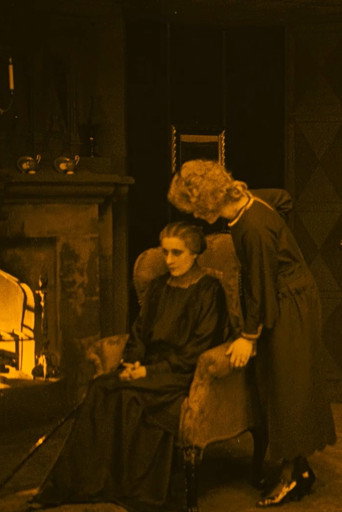
The House Without Laughter
Orphan Enid White becomes the ward of a cruel man. She gets close to her guardian's wife and also to his son, who secretly comes to visit when his father is not around. One evening Enid is whipped by the patriarch, and hours later he is found dead. An investigation follows.
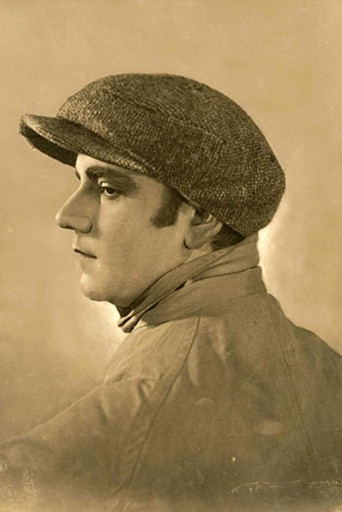
Dangerous Paths
DANGEROUS PATHS marked the beginning of Henrik Galeen’s collaboration with Piel, which by 1931 had comprised a total of five films. The present film offers the opportunity to see screenwriter Galeen in front of the camera as the super-rich American Francis. The journeyman carpenter Harry is bewitched by Francis’s daughter Dorothy, whom he has to rescue from the clutches of dangerous hoodlums. The gang is also trying to steal the crown of a prince. Thus Harry finds himself in a sophisticated adventure that features spectacular nature shots (filmed in the Alps).
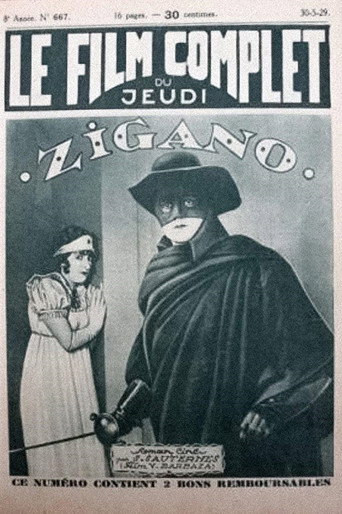
Zigano
Filmarchiv Austria holds a non-access master print and a nitrate duplicate negative of the film.
Production
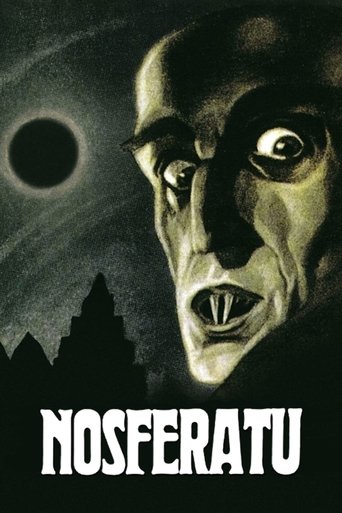
Nosferatu
The mysterious Count Orlok summons a happily married real estate agent to his castle, located up in the Transylvanian mountains, to finalise a terrifying deal.
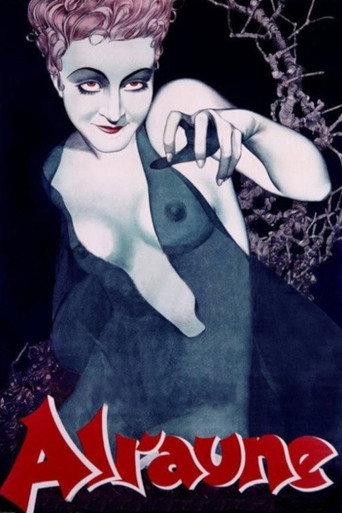
A Daughter Of Destiny
Hanns Heinz Ewers' grim science-fiction novel Alraune has already been filmed twice when this version was assembled in 1928. In another of his "mad doctor" roles, Paul Wegener plays Professor Brinken, sociopathic scientist who combines the genes of an executed murderer with those of a prostitute. The result is a beautiful young woman named Alraune (Brigitte Helm), who is incapable of feeling any real emotions -- least of all guilt or regret. Upon attaining adulthood, Alraune sets about to seduce and destroy every male who crosses her path. Ultimately, Professor Brinken is hoist on his own petard when he falls hopelessly in love with Alraune himself. Alraune was remade in 1930, with Brigitte Helm repeating her role, and again in 1951, with Hildegarde Knef as the "heroine" and Erich von Stroheim as her misguided mentor.
A Daughter Of Destiny
Hanns Heinz Ewers' grim science-fiction novel Alraune has already been filmed twice when this version was assembled in 1928. In another of his "mad doctor" roles, Paul Wegener plays Professor Brinken, sociopathic scientist who combines the genes of an executed murderer with those of a prostitute. The result is a beautiful young woman named Alraune (Brigitte Helm), who is incapable of feeling any real emotions -- least of all guilt or regret. Upon attaining adulthood, Alraune sets about to seduce and destroy every male who crosses her path. Ultimately, Professor Brinken is hoist on his own petard when he falls hopelessly in love with Alraune himself. Alraune was remade in 1930, with Brigitte Helm repeating her role, and again in 1951, with Hildegarde Knef as the "heroine" and Erich von Stroheim as her misguided mentor.
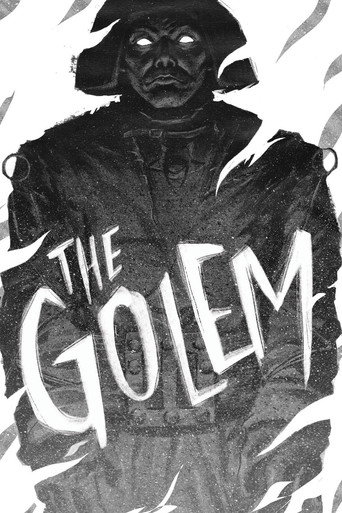
The Golem: How He Came into the World
In 16th-century Prague, a rabbi creates the Golem - a giant creature made of clay. Using sorcery, he brings the creature to life in order to protect the Jews of Prague from persecution.
The Golem
This mostly lost film is often confused with director Paul Wegener third and readily available interpretation of the legend; Der Golem, wie er in die Welt kam (1920). In this version of the golem legend, the golem, a clay statue brought to life by Rabbi Loew in 16th century Prague to save the Jews from the ongoing brutal persecution by the city's rulers, is found in the rubble of an old synagogue in the 20th century. Brought to life by an antique dealer, the golem is used as a menial servant. Eventually falling in love with the dealer's wife, it goes on a murderous rampage when its love for her goes unanswered.
The Golem
This mostly lost film is often confused with director Paul Wegener third and readily available interpretation of the legend; Der Golem, wie er in die Welt kam (1920). In this version of the golem legend, the golem, a clay statue brought to life by Rabbi Loew in 16th century Prague to save the Jews from the ongoing brutal persecution by the city's rulers, is found in the rubble of an old synagogue in the 20th century. Brought to life by an antique dealer, the golem is used as a menial servant. Eventually falling in love with the dealer's wife, it goes on a murderous rampage when its love for her goes unanswered.
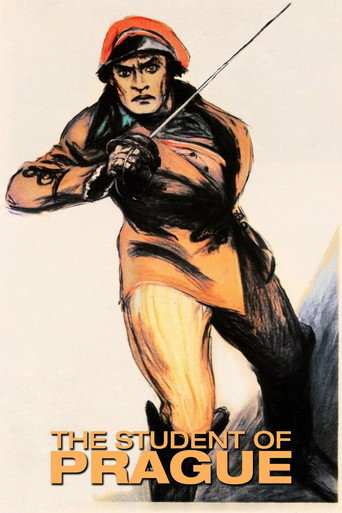
The Student of Prague
For Balduin, going out to beer parties with his fellow students and fighting out disputes at the tip of the sword have lost their charms. He wants to find love; but how would he, a penniless student, ever dare looking up to any woman worth of loving? Absorbed in his dreary thoughts and indifferent to the advances of Lyduschka, Balduin is unexpectedly offered a fortune by the mysterious money-lender Scapinelli - but on a strange condition...
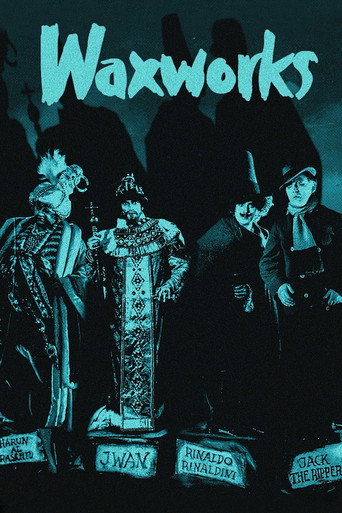
Waxworks
A poet is hired by the owner of a wax museum in a circus to write tales about Harun al Raschid, Ivan the Terrible and Jack the Ripper. While writing, the poet and the daughter of the owner, Eva, fantasize the fantastic stories and fall in love for each other.
The House Without a Door
German war film. This film is considered lost.
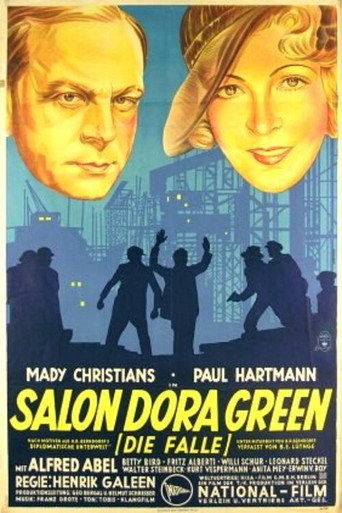
Salon Dora Green
A cabaret dancer loves a German engineer and helps save his vital drawings of ship designs from falling into the hands of foreign plotters.